General articles are free for 24 hours after publish.
Philippine Stocks Rise on Easing Inflation; Peso Plunges to New Record Low
The Philippine stock market extended its gains for a second day as August inflation eased to market expectations. However, the peso fell to a new record low against the dollar on the same day. While easing inflation boosted stock prices, the continued depreciation of the peso could impact investor sentiment.
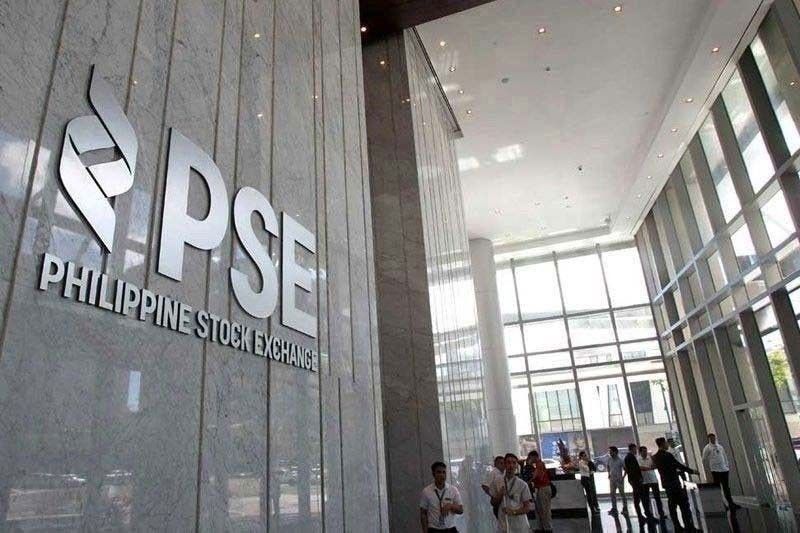
MANILA, Philippines — The local stock market finished the week with back-to-back wins as August inflation eased and came within market expectations, even as the peso again plunged to a fresh record low. The bellwether Philippine Stock Exchange index (PSEi) rose by 0.35 percent or 21.18 points to end yesterday’s session at 6,090.60. The broader All Shares index also added 0.23 percent or 7.63 points, closing at 3,377.44. RCBC chief economist Michael Ricafort said the PSEi corrected slightly higher for the second straight trading day amid the latest easing of headline inflation for the fourth straight month at 6.1 percent in August from 6.2 percent in July. Ricafort said this was in line with market estimates and the slowest in five months or since March. All sectors were in the positive territory, except for industrial, which slipped by 0.005 percent. The mining and oil index recorded the biggest increase at 0.75 percent, followed by holding firms, which registered a gain of 0.49 percent. Trading was tepid as total turnover value thinned to P3.86 billion from the previous day’s P5.24 billion. Advancers edged out decliners, 108 to 93, while 54 issues were unchanged. ICTSI was the most actively traded stock, climbing by 0.43 percent to P934.50 per share, followed by Apex Mining which advanced by 0.12 percent to P17.20, and Metrobank, which was unchanged at P65.85. Meanwhile, data from the Bankers Association of the Philippines showed the peso closed at 62.59 per dollar, weaker from the previous day’s finish of 62.52. The local currency opened at 62.43 and weakened to as much as 62.65 intraday. UnionBank chief economist Ruben Carlo Asuncion attributed the peso’s slide to a fresh record low mainly to external factors, including a firm dollar, elevated US yields and market caution ahead of the US nonfarm payrolls report.
Original source
Philstar Business