Cambodia Directs Strict Controls on Development Near 'Memorial Sites of Cambodia' World Heritage
Culture
2026年7月13日
5
Kampuchea Thmey Local

Cambodia Directs Strict Controls on Development Near 'Memorial Sites of Cambodia' World Heritage

AI サマリー

Cambodian Prime Minister Hun Manet has instructed relevant ministries and authorities to strictly avoid any construction or activities that could negatively impact the landscape of the 'Memorial Sites of Cambodia,' a UNESCO World Heritage site. This directive was issued on the first anniversary of the site's inscription, emphasizing the need for careful preservation.

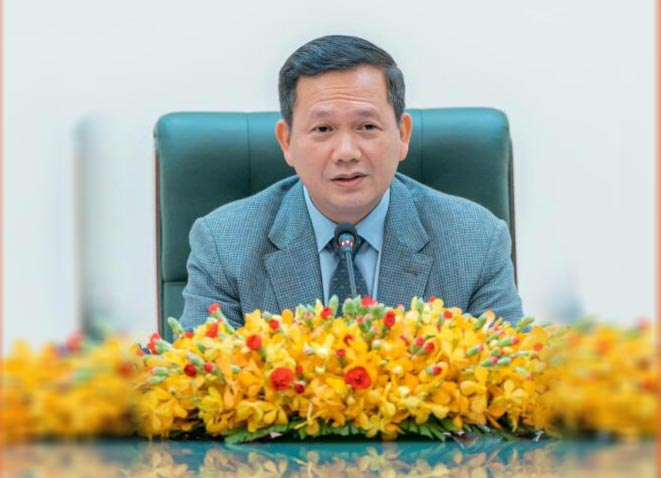
Prime Minister Hun Manet has instructed the Ministry of Culture and Fine Arts, local authorities, and relevant institutions to continue paying close attention to the preservation and conservation of the 'Memorial Sites of Cambodia' following its inscription as a World Heritage site. He specifically emphasized the need to avoid any construction or activities that could potentially affect the historical landscape of the site. This directive was issued via a letter on the occasion of the first anniversary of the inscription of 'Memorial Sites of Cambodia: From Crime Scene to Reconciliation and Peace Center' onto the World Heritage List, which occurred on July 11, 2025. Prime Minister Hun Manet stated that after its inscription as a World Heritage site, all relevant parties must ensure the long-term preservation of this location, which represents a new, modern World Heritage asset in Cambodia's history. He also stressed the importance of diligently fulfilling the management and conservation tasks in accordance with the operational principles of the World Heritage Centre. "This great achievement is another significant and high prestige for our nation on the international stage, born from the highest struggle, sacrifice, and resilience of the Cambodian people for peace under the 'win-win' policy, bringing national reconciliation and harmony to the Cambodian people. This serves as the foundation for construction and development in all sectors, including the preservation and development of cultural assets and the protection of the nation's historical truth," the Prime Minister elaborated. It is recalled that the 'Memorial Sites of Cambodia' were inscribed on the UNESCO World Heritage List on July 11, 2025, through decision 47 COM 8B.14 at the 47th session of the World Heritage Committee held in Paris, France. These heritage sites include former detention center M-13, the Tuol Sleng Genocide Museum (S-21), and the Choeung Ek Genocidal Center. The inscription of these sites as World Heritage is a far-sighted initiative by former Prime Minister Samdech Techo Hun Sen, intended to leave a legacy of remembrance, historical lesson learning, and peace preservation as an invaluable treasure for future generations. It also represents a remarkable gift from Cambodia to humanity, offering a model for national reconciliation, seeking justice for victims, education, and the building and protection of peace. On this occasion, Prime Minister Hun Manet appealed to all media networks to cooperate in widely disseminating information about this historical site, commemorating its first anniversary. The aim is to further promote an absolute stance against the devastation of war and genocide crimes, and to recall the necessity of joint efforts to preserve lasting peace as a heritage for future generations, under the slogan 'Thank You Peace.' Source: Kampuchea Thmey Local

多角的分析

経済的影響

世界遺産登録は、観光収入の増加や関連産業の活性化に繋がる可能性がある一方、厳格な開発規制は、遺産周辺地域における不動産開発やインフラ整備の機会を制限する可能性があります。これは、地域経済の成長と文化遺産保護との間のトレードオフを示唆しています。カンボジア政府は、経済発展の必要性と、貴重な歴史遺産を次世代に継承する責任とのバランスを取る必要があります。

投資家心理

世界遺産周辺地域への投資家は、開発規制の厳格化により、土地利用の制約やプロジェクトの遅延リスクに直面する可能性があります。しかし、世界遺産としてのステータスは、文化観光分野への投資を促進する可能性もあります。投資家は、規制の詳細を慎重に評価し、持続可能な開発と文化遺産保護の両立を目指すプロジェクトに焦点を当てる必要があります。

社会的影響

「記憶の記念碑」は、カンボジアの暗い過去を記憶し、二度と同じ過ちを繰り返さないための重要な場所です。首相の指示は、これらの場所が平和と和解の象徴として保護されることを保証するものです。しかし、開発制限は、地域住民の生活や経済活動に影響を与える可能性があり、保護と地域社会の発展との間で慎重な配慮が求められます。また、この遺産が、国民が歴史を学び、和解を深めるための教育的役割を果たすことが期待されます。

市民の声

カンボジア市民、特に若い世代にとって、これらの世界遺産は、国の歴史と過去の苦難を理解する上で重要な意味を持ちます。開発規制は、将来の世代がこの歴史的場所をそのままの形で体験できることを保証しますが、同時に、遺産周辺地域に住む人々の生活や経済活動に影響を与える可能性もあります。市民は、歴史教育の機会が広がることに期待を寄せる一方で、開発の恩恵が地域社会にも及ぶことを望むでしょう。

背景・歴史的文脈

カンボジアは、1970年代後半のクメール・ルージュ政権下での凄惨なジェノサイド(ポル・ポト時代)という暗い歴史を抱えています。その記憶を継承し、平和への教訓とするため、当時の主要な収容所や虐殺現場が「記憶の記念碑」として整備・保存されてきました。2025年7月11日にユネスコ世界遺産に登録されたことで、これらの場所は国際的な保護対象となり、カンボジアの歴史理解と平和構築における重要性がさらに高まりました。今回の首相の指示は、この世界遺産としての価値を維持し、将来にわたってその景観や歴史的意義が損なわれないようにするためのものです。

原文ソース

Kampuchea Thmey Local

原文を読む