General articles are free for 24 hours after publish.
Master Plan for Temple Development in Angkor Park Crucial for Buddhism and Cultural Heritage
The Authority for the Protection and Management of Angkor and the Region of Siem Reap (APSARA) has launched a master plan for the development of temples within the Angkor Archaeological Park. This initiative aims to preserve Buddhist heritage and Cambodian cultural identity, while enhancing the site's appeal for tourism. Buddhist leaders and cultural authorities have expressed their support.
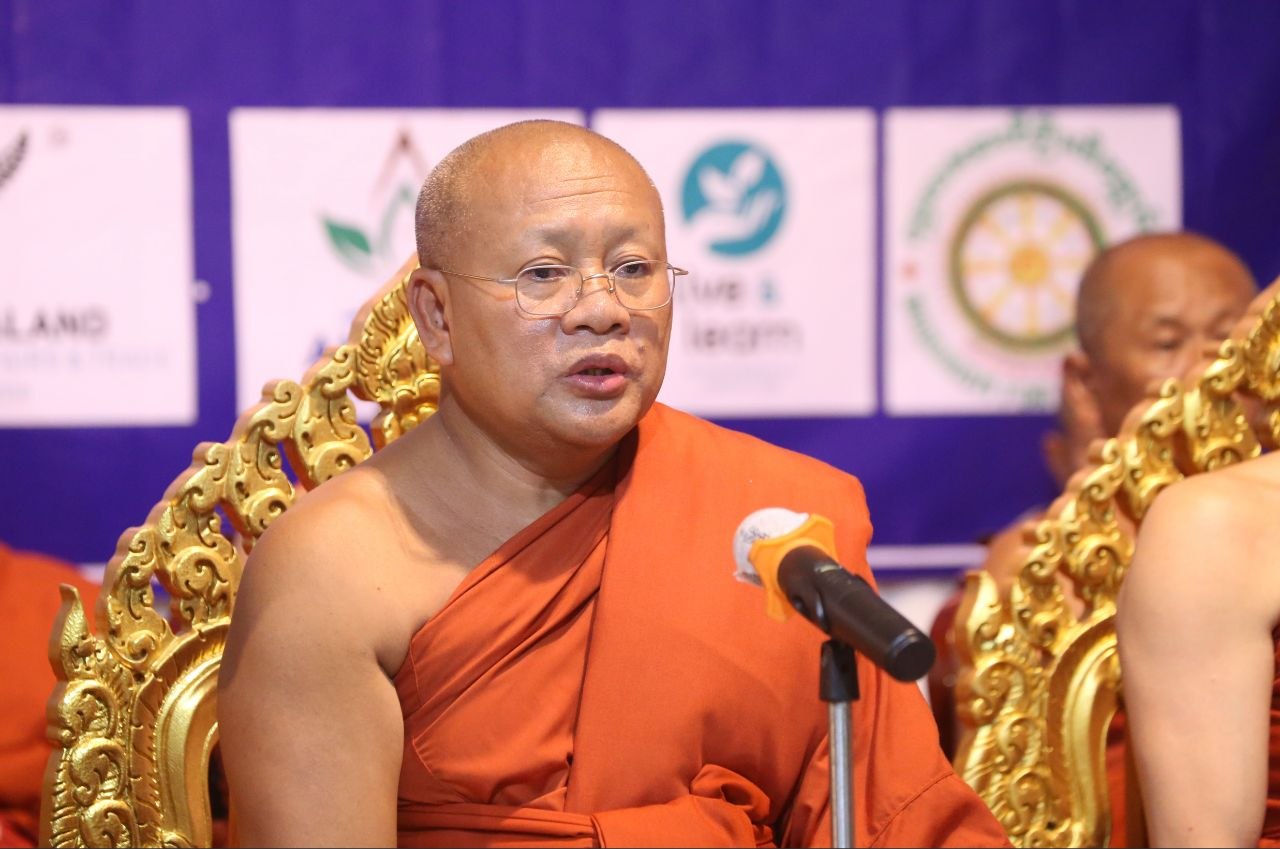
The Authority for the Protection and Management of Angkor and the Region of Siem Reap (APSARA) has announced the launch of a master plan for the development of temples within the Angkor Archaeological Park. This initiative is highlighted as crucial for preserving Cambodia's Buddhist heritage and cultural identity, and showcasing it both domestically and internationally. Dr. Khim Son, the third deputy chief monk and a high-ranking representative of the Supreme Patriarch of the Mahānikāya Buddhist Order of Cambodia, has endorsed the master plan. He stated that this plan is essential for reflecting the identity of the Cambodian people and the nation as a whole, through the development of temples that hold religious and cultural significance. Mr. Sim Bunthoeun, Director of the Department of Land Management, Urban Planning, and Construction at APSARA, pointed out that temples within the Angkor Park are becoming significant tourist attractions, drawing interest from both domestic and international visitors, much like the ancient temples themselves. He explained that the architectural styles, artistic elements, and surrounding natural beauty of these temples offer a unique cultural experience of Cambodia. Therefore, he emphasized that temple development must be carried out in an orderly manner, in accordance with Buddhist doctrines, beliefs, and Cambodian traditional culture. Dr. Phoeurng Sackona, Minister of Culture and Fine Arts, expressed that the temple renovation plan will benefit the monks, convey the values of Buddhism, and serve as a foundation for future generations to learn and understand. The initial phase of this master plan will focus on five temples, including North Angkor Temple, South Angkor Temple near Angkor Wat, Preah Vihear Chet Lebeng Temple, Preah Ang Kok Thlok Temple, and Preah Ind Teph Temple. In the future, the plan is expected to extend to approximately 30 other temples located within the vast 401-square-kilometer Angkor Archaeological Park.
Original source
AKP Khmer