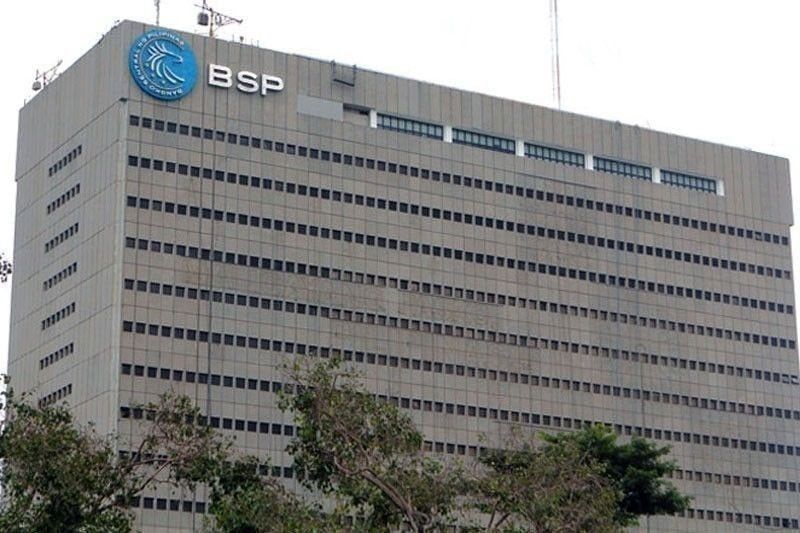
BSP to Enhance Oversight of Financial Institutions
The Bangko Sentral ng Pilipinas (BSP) is set to implement a new risk-based supervisory model to strengthen oversight of banks and e-money issuers, based on their potential impact on consumers and risk management capabilities. The model, effective January 1, 2027, aims to further enhance consumer protection.
The Bangko Sentral ng Pilipinas (BSP) is preparing to roll out a new risk-based supervisory model that will tighten oversight of banks and non-bank electronic money issuers based on their potential to harm consumers and their ability to address financial consumer protection risks. In a draft memorandum to all BSP-supervised institutions, the central bank said the Financial Consumer Protection Risk-and-Impact Supervisory Model (FCPRISM) would guide all financial consumer protection supervisory assessments starting Jan. 1, 2027. The proposed framework is being issued under Republic Act 11765 or the Financial Products and Services Consumer Protection Act, which gives financial regulators stronger authority to protect consumers of financial products and services. Under the draft, the model will link a BSP-supervised institution’s potential consumer impact and financial consumer protection risk profile to the level of supervisory engagement it will receive. This means institutions with a larger consumer reach, more complex retail activities or weaker consumer protection systems may face closer monitoring, more frequent engagement with regulators or on-site reviews. The BSP said the model is designed to ensure that “supervisory attention remains proportionately focused on institutions with greater potential to cause consumer harm” while allowing “prompt and calibrated supervisory actions” to reinforce compliance with consumer protection standards. While the principles of FCPRISM will eventually apply to all BSP-supervised institutions regardless of size and risk profile, the BSP said the framework would initially cover banks and non-bank electronic money issuers. The framework has three major components: consumer impact, consumer protection risk profile and level of supervisory engagement. For consumer impact, the BSP will assess an institution’s potential to cause harm to consumers, affect public confidence or disrupt the functioning of financial services in case of misconduct, operational failures or weak controls. The rating will be classified as low, moderate, above average or high. The BSP defines consumer harm broadly to include financial loss, unfair or discriminatory treatment, unjustifiable exclusion, poor value for money, hidden or unexpected costs, misuse or loss of consumer data or assets and delayed access to support or redress. The second component — the consumer protection risk profile — will measure whether institutions can uphold consumer rights and sustain fair outcomes over time. This will cover retail consumer activities, including the design, pricing, offering, distribution, servicing and support of financial products across physical and digital channels, as well as third-party arrangements. The quality of consumer protection risk management will be rated as strong, acceptable, inadequate or weak. The BSP will then combine the net consumer protection risk profile with an assessment of institutional governance, compliance and internal audit arrangements to determine an institution’s overall consumer protection stance. The overall stance will fall under four categories: consumer-centric, consumer-attentive, consumer-risk exposed or consumer-harm evident. A consumer-centric institution has well-established consumer protection arrangements, with consumer considerations embedded in business practices and complaints generally limited in severity and recurrence. A consumer-harm evident institution, on the other hand, has deficient arrangements, severe supervisory concerns and complaints that show harm is already occurring or likely to persist. The final component will determine the level of BSP engagement. Depending on an institution’s rating, the central bank may require additional reports, data extracts, survey responses and supporting materials. It may also conduct meetings with the board, senior management, compliance officers, internal audit teams or home regulators of foreign bank branches. The BSP may also conduct regular examinations, thematic reviews, special examinations, periodic risk assessments and complaints-based surveillance.
多角的分析
フィリピン中央銀行(BSP)による金融機関への監督強化は、国内の金融システムの安定性を高め、消費者保護を強化する上で重要な一歩となる。特に、電子マネー発行者への監督強化は、フィリピンにおけるデジタル金融の急速な普及とそれに伴うリスクの増大に対応するため、不可欠である。このモデルは、リスクの高い機関への監督リソースの集中を可能にし、効率的な市場監視に貢献すると考えられる。しかし、過度な規制はイノベーションを阻害する可能性もあり、BSPはリスク管理と金融包摂のバランスを慎重に取る必要がある。
今回のBSPによる監督強化策は、投資家にとって、フィリピンの金融市場の信頼性と安定性向上につながるポジティブなニュースと捉えられる。特に、金融消費者保護の強化は、市場の透明性を高め、長期的な投資環境の健全化に寄与するだろう。ただし、一部の金融機関、特にリスク管理体制が脆弱な企業にとっては、監督強化が事業運営に一時的な負担となる可能性も否定できない。投資家は、個々の金融機関のリスクプロファイルと、新しい監督モデルへの適応能力を注視する必要がある。
フィリピンでは、金融サービスへのアクセスが拡大する一方で、詐欺や不当な手数料、個人情報漏洩といった金融消費者被害も増加傾向にある。今回のBSPによる監督強化は、特にデジタル金融サービスを利用する一般市民にとって、より安全で信頼できる金融取引環境の実現に繋がる可能性がある。例えば、電子マネー発行者に対する監視強化は、不正利用や情報漏洩のリスクを低減させ、消費者の安心感を高めることが期待される。一方で、地方部や低所得者層など、金融リテラシーが低い層への影響も注視が必要であり、単なる規制強化に留まらず、啓発活動との連携も重要となる。
今回のBSPによる監督強化は、フィリピン市民、特にデジタル金融サービスを日常的に利用する層にとって、大きな安心材料となるだろう。これまで、オンライン送金や電子マネーの利用に関して、不正利用や個人情報流出のリスクを懸念していた人々は多い。今回の新しい監督モデルは、リスクの高い機関に対し、より厳格な監視と迅速な対応を求めるものであり、これにより、消費者が安心して金融サービスを利用できる環境が整備されると期待される。例えば、フィリピン全土で普及が進むGrabPayやGCashといった電子マネーサービスを提供する企業が、より一層のセキュリティ対策と透明性の高い情報開示を求められるようになることは、利用者にとって直接的な恩恵となるだろう。また、高リスクと判定された機関に対しては、より頻繁な規制当局とのやり取りや、現地での詳細な調査が行われることで、問題の早期発見と是正が期待できる。
背景・歴史的文脈
フィリピンにおける金融消費者保護の強化は、近年、デジタル金融の急速な普及と、それに伴う詐欺や個人情報漏洩といった被害の増加を受けて、喫緊の課題となっている。2020年に施行された「金融商品・サービス消費者保護法(Republic Act 11765)」は、金融規制当局に消費者保護のためのより強力な権限を与え、今回のBSPによるリスクベース監督モデル導入の法的根拠となっている。過去には、一部の金融機関における不適切な勧誘や、オンライン取引におけるセキュリティ問題が社会問題化しており、こうした教訓を踏まえ、より包括的で効果的な監督体制の構築が求められていた。
原文ソース
Philstar Business