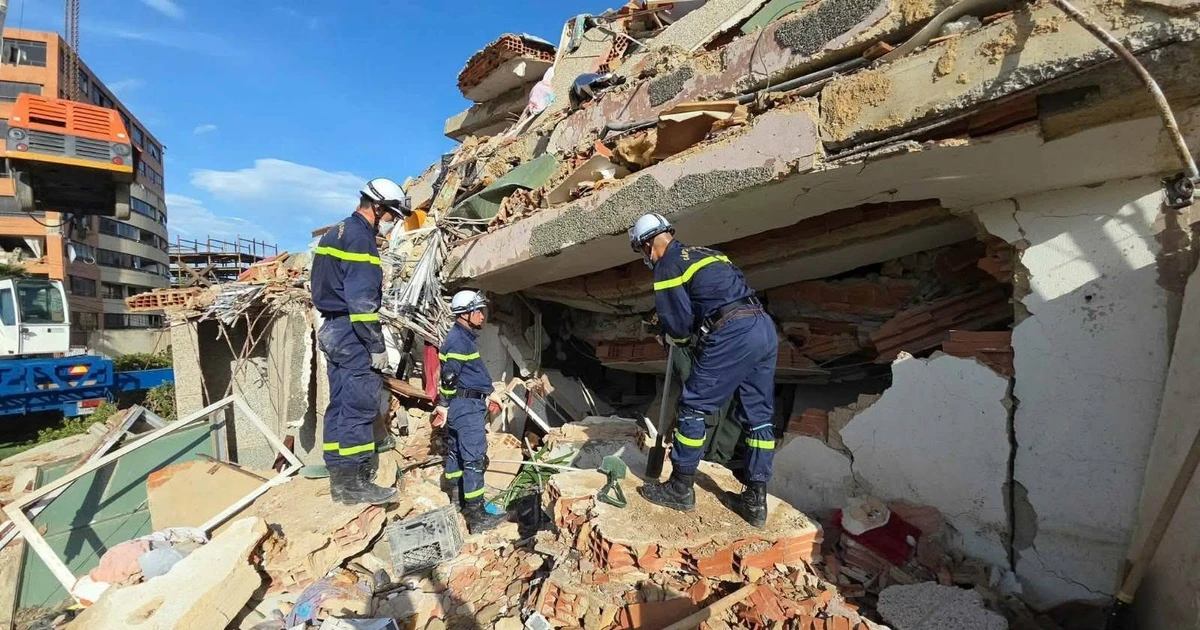
Vietnamese Rescue Team Aids Venezuela Earthquake Victims
A Vietnamese rescue team has been actively involved in Venezuela following an earthquake, recovering bodies and delivering humanitarian aid. Domestically, Vietnam launched its Agricultural Product Traceability System and announced a shift in foreign investment policy.
A Vietnamese rescue team has been actively engaged in humanitarian efforts in Venezuela following an earthquake. On June 30 (local time), in La Guaira State, the hardest-hit area by the twin earthquakes, the Vietnamese search and rescue mission successfully recovered the bodies of 11 victims from the rubble and handed them over to Venezuelan authorities. The relief supplies amounted to a total of 45.6 tonnes, including 35 tonnes of emergency rations, 4 tonnes of medicines, 2 tonnes of canned meat, four generators, 500 tents, 10 large relief shelters, and 50,000 rolls of medical bandages. A flight operated by Vietnam Airlines departed from Noi Bai International Airport carrying 124 personnel from the Ministry of National Defence and the Ministry of Public Security to Venezuela on a humanitarian relief mission. Personnel like Lieutenant Colonel Nguyen Hong Duong, who participated in the humanitarian mission to Myanmar in 2025, have prepared their personal gear, specialized equipment, medicines, and essential supplies, ready to join the Vietnamese delegation to support disaster relief efforts in Venezuela. Domestically, on June 30, the Ministry of Agriculture and Environment officially launched Vietnam’s Agricultural Product Traceability System, following the successful completion of its pilot phase. Additionally, on the same day, Party General Secretary and State President To Lam chaired the first meeting of the Central Steering Committee for Foreign Affairs and International Integration in Hanoi. During this meeting, a fundamental shift was called for in Vietnam's approach to foreign investment, emphasizing that external resources should be harnessed to strengthen domestic capabilities and strategic autonomy rather than simply attract capital. Furthermore, on June 29, To Lam urged a shift from reactive disaster response to proactive risk management, directing relevant agencies to enhance preparations for storms, floods, extreme weather, and climate change through late 2026. Hanoi has launched an ambitious investment drive by unveiling its 100-year development vision, introducing new policy incentives, and announcing hundreds of investment projects. This initiative aims to instill greater confidence in Hanoi's long-term growth strategy among domestic and international investors, while fostering a more transparent, competitive, and innovation-driven business environment. Internationally, the Vietnam Coffee Festival in Singapore 2026 took place on June 26, promoting Vietnamese culture and products. Source: VietnamPlus English
多角的分析
ベトナムは、国内経済の基盤強化と国際競争力向上のため、農業製品のトレーサビリティシステム導入や、外国投資の質的向上を目指す方針転換を進めている。これは、単なる資本流入の最大化から、技術移転や国内産業の高度化に重点を置くという、より戦略的な経済運営への移行を示唆する。将来的な経済成長の持続可能性を高めるための重要な一歩と言える。
ベトナム政府は、特にハノイ市における長期的な開発ビジョンと投資インセンティブの発表を通じて、投資家への信頼醸成を図っている。外国投資を国内能力強化に結びつける方針は、単なる規模拡大を求める投資家よりも、技術力や付加価値の高い事業展開を目指す投資家にとって魅力的となる可能性がある。透明性と競争力のあるビジネス環境の整備は、さらなる海外からの資本流入を促進するだろう。
ベトナムの救助隊がベネズエラでの人道支援活動に参加することは、国際社会におけるベトナムの貢献度を高める一方で、国内における災害対策への意識向上にも繋がる。また、農業製品トレーサビリティシステムの導入は、消費者の食の安全への関心の高まりに対応し、国内農産物の信頼性を向上させる。トー・ラム氏による災害リスク管理への言及は、国民の安全確保に対する政府の姿勢を示すものである。
ベネズエラでの救助活動は、ベトナム国民の国際社会への貢献意識を高めるだろう。国内では、農業製品のトレーサビリティシステム導入により、食の安全に対する安心感が増すことが期待される。一方で、外国投資の質的向上は、国内産業の高度化を通じて、より質の高い雇用機会の創出に繋がる可能性があり、国民生活の向上に寄与すると考えられる。
背景・歴史的文脈
ベトナムは、冷戦終結後、国際社会との関係を再構築し、経済発展を目指す中で、国際的な人道支援活動への参加を増やしてきた。特に、災害発生時には、専門的な救助隊を派遣する能力を培ってきた。国内政策においては、1986年のドイモイ(刷新)政策以降、市場経済化を進め、外国からの投資を積極的に誘致してきたが、近年ではその質を重視する方向へとシフトしている。これは、経済成長の持続性と自律性を高めるための、ベトナム共産党による戦略的な舵取りの一環である。
原文ソース
VietnamPlus English