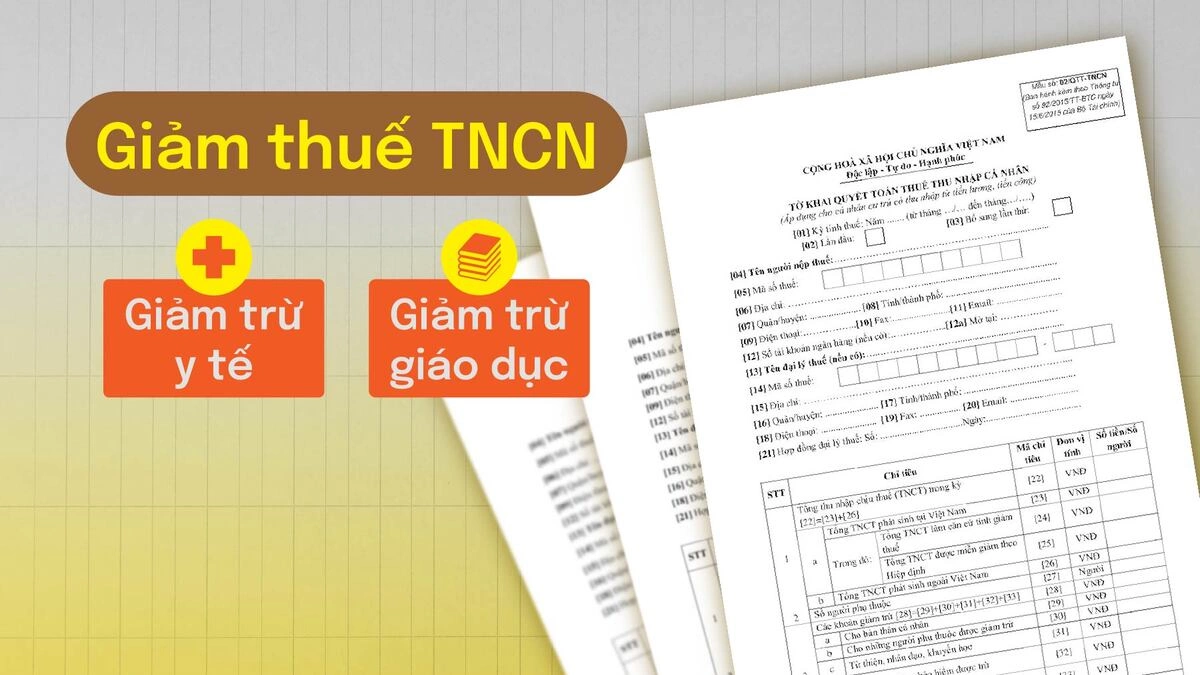
Vietnam to Introduce Personal Income Tax Reductions to Ease Household Burden and Boost Economy
Economy
2026年7月7日
4
VnExpress

Vietnam to Introduce Personal Income Tax Reductions to Ease Household Burden and Boost Economy

AI サマリー

The Vietnamese government plans to implement personal income tax (PIT) reductions to alleviate household burdens and stimulate economic activity. By applying new tax brackets and increasing deductions, the measure aims to boost disposable income, thereby encouraging increased consumption. This initiative is intended to support national livelihood stability and economic recovery amidst recent inflation and global economic uncertainties.

The Vietnamese government is considering the introduction of new personal income tax (PIT) reduction measures aimed at easing household financial burdens and stimulating the domestic economy. These measures are expected to center on the application of new tax brackets and an increase in deductions for dependents. This is anticipated to reduce the tax burden for many taxpayers and lead to an increase in disposable income. In recent years, the environment surrounding Vietnam's economy has become increasingly uncertain, marked by global inflationary pressures and rising geopolitical risks. Under these circumstances, the government aims to stabilize national livelihoods and maintain/promote economic growth by expanding domestic demand. PIT reductions are expected to encourage increased consumer spending, contributing to the revitalization of sectors closely related to people's lives, such as retail and services. Under its one-party system led by the Communist Party, Vietnam has pursued market economic reforms and achieved remarkable economic growth. Growth has been particularly driven by manufacturing and exports, attracting active foreign investment. However, it also faces challenges such as widening income disparities, inflation, and disruptions to global supply chains. The current PIT reduction measure can be seen as one response to these economic challenges. Regarding relations with China, while economic ties are strong, tensions also exist, particularly over issues like the South China Sea. To maintain economic growth, Vietnam manages its relationship with China, a major trading partner, while also strengthening ties with diverse countries such as the United States and European nations. The current domestic economic measures can be viewed as strengthening the domestic foundation within this diplomatic and economic strategic context. Details regarding the specific timing and scale of these reductions are pending further government announcements. However, an increase in citizens' disposable income is likely to have a certain effect on improving consumer sentiment and revitalizing the domestic market. Maintaining stable livelihoods and purchasing power is essential for Vietnam's sustained economic growth, and the proposed PIT reductions may represent a significant step towards this goal. Source: VnExpress

多角的分析

経済的影響

ベトナム政府による個人所得税(PIT)軽減措置の検討は、インフレや世界経済の減速懸念がくすぶる中で、国内需要を下支えし、経済成長の鈍化を防ぐための重要な政策手段である。過去にも、経済の低迷期や国民生活の圧迫が懸念される際には、政府が税制措置を通じて景気刺激を図ってきた事例がある。例えば、2022年の付加価値税(VAT)の2%引き下げは、消費を刺激し、インフレ抑制にも一定の効果をもたらした。今回のPIT軽減も、家計の可処分所得を直接的に増加させることで、消費マインドを改善し、小売・サービス業を中心に経済活動を活性化させることを狙っている。これは、ベトナム経済の成長エンジンである国内消費を強化し、輸出依存度が高い経済構造のリスクを軽減する試みとも言える。

投資家心理

個人所得税の軽減は、消費者の購買力向上を通じて、国内消費関連セクターへの投資妙味を高める可能性がある。特に、小売、飲食、レジャーなどの分野では、需要の増加が期待できる。しかし、投資家が注目すべきは、この措置が一時的なものか、恒久的なものかという点である。恒久的な税制改革であれば、長期的な消費トレンドに影響を与えるが、一時的な景気対策であれば、その効果は限定的になる可能性もある。また、ベトナム経済全体への波及効果、特にインフレへの影響も注視する必要がある。政府は、経済活性化と物価安定のバランスを取りながら、税制措置の規模や期間を決定すると考えられる。国際的なサプライチェーンの混乱や地政学リスクが依然として存在する中で、投資家は、国内消費の安定化が、ベトナム経済のレジリエンスを高める要因となるかを見極める必要がある。

社会的影響

個人所得税の軽減は、多くのベトナム国民、特に中間層や低所得者層の家計にとって直接的な恩恵となる。可処分所得の増加は、日々の生活必需品への支出に加え、教育費や医療費、あるいは娯楽への支出を増やす余裕を生み出す可能性がある。例えば、ハノイのオフィスワーカーであるグエンさんは、「毎月の税金が少しでも減れば、家族との外食や子供の習い事にもっとお金を使えるようになる」と期待を寄せている。また、地方の農村部で働く人々にとっても、税負担の軽減は生活水準の向上に寄与するだろう。一方で、この措置が所得格差の是正にどの程度寄与するかは、税率構造や控除の対象範囲によって異なり、今後の詳細な制度設計が注目される。国民の生活実感に直結するこの政策は、政府への信頼感にも影響を与える可能性がある。

市民の声

今回の個人所得税軽減策は、私たち市民にとって、日々の生活を少しでも楽にするための朗報と言えるでしょう。特に、物価上昇が続く中で、手取りが増えることは大変ありがたいことです。例えば、ハノイで子育てをしている母親たちは、子供の学用品や衣服にかかる費用が増えていると感じており、税金が減ることで、少しでも家計の助けになることを期待しています。また、地方で働く人々も、都市部との所得格差を感じながらも、税負担が軽くなることで、生活の質が向上することを願っています。ただ、この軽減措置がどれくらいの期間続き、具体的にどのような層に最も恩恵があるのか、詳細が気になるところです。政府には、国民一人ひとりの生活が実際に改善されるような、実効性のある政策をお願いしたいです。

背景・歴史的文脈

ベトナムは1986年のドイモイ(刷新)政策以降、市場経済化を進め、目覚ましい経済成長を遂げてきた。共産党の一党体制下で、外国投資の誘致や輸出産業の育成に注力し、国民の所得水準は向上した。しかし、近年の世界経済の変動やインフレ圧力は、ベトナム経済にも影響を与えている。政府は、経済成長の持続と国民生活の安定化のため、財政政策や金融政策を駆使してきた。個人所得税(PIT)は、ベトナムの税制において重要な位置を占めており、その税率や控除額の変更は、国民の可処分所得や消費行動に直接的な影響を与える。過去にも、経済状況に応じてPITの軽減措置が講じられた例があり、今回も同様の文脈で検討されていると考えられる。

原文ソース

VnExpress

原文を読む