India, Indonesia Ink Deals on Defense, Economy; BrahMos Missile Contract Signed
Indian Prime Minister Modi concluded a visit to Indonesia, signing 14 agreements with President Prabowo covering defense, critical minerals, and agriculture. A landmark deal for BrahMos supersonic missiles to Indonesia highlights deepening defense cooperation, signaling growing strategic alignment in the region.
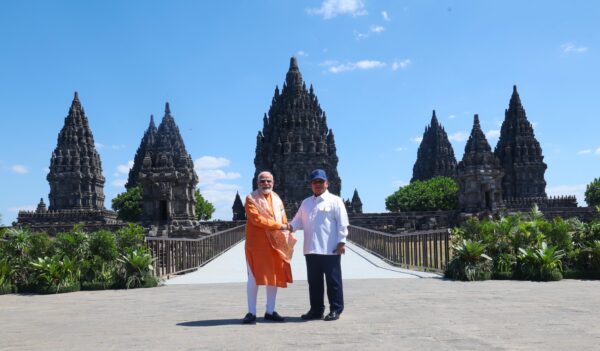
Indian Prime Minister Narendra Modi concluded a three-day visit to Indonesia, signing a raft of deals on critical minerals, agriculture, and missile procurements with the Southeast Asian nation. During the visit, which is part of a three-nation regional tour that will also take him to Australia and New Zealand, Modi held bilateral talks with President Prabowo Subianto, who personally dropped him off at the airport prior to his departure yesterday. The visit was Modi’s first to Indonesia since 2023, and came after Prabowo was welcomed to India as a Republic Day chief guest in January 2025. During the visit, India and Indonesia signed 14 agreements covering critical minerals, maritime security, and defense. According to a joint statement, the two leaders “reaffirmed their strong commitment to further enhance and broaden the defense and maritime partnership,” building on the Defense Agreement signed in 2018. They also “highlighted that economic and trade cooperation remains a key pillar of the dynamic India-Indonesia ties” and pledged to unlock “greater economic opportunities.” In a post on X just prior to his departure for Melbourne, Modi said that he left Indonesia “with immense satisfaction at the outcomes achieved as far as the future of our partnership is concerned.” He added that the visit had “opened new avenues for cooperation in defense and security, maritime collaboration, critical and emerging technologies, artificial intelligence, digital innovation and capacity building.” Speaking at a joint press conference after his summit with Modi on Tuesday, Prabowo said, “We’re two of the largest democracies in the world. Partnerships between us will bring benefits to the region.” The agreements signed during Modi’s visit included MoUs on agriculture and the strengthening of supply chains in critical minerals and steel. But perhaps the most significant was the signing of a contract between BrahMos Aerospace, an Indo-Russian joint venture missile manufacturer, and Indonesia’s Ministry of Defense for the provision of BrahMos missiles to the Indonesian armed forces. The Indonesian government, which announced that there had been a “contract signing for BrahMos missile system,” did not state the value of the deal. Nor were any details provided in Tuesday’s joint statement, aside from the statement that the deal marked “the elevation of defense cooperation” between the two sides. Indonesia has expressed its interest in acquiring the potent weapons system, which has already been purchased by the Philippines and Vietnam, since at least 2018 – and serious talks have reportedly been ongoing for years. In March, Indonesia’s Ministry of Defense announced that it had finalized an agreement to procure BrahMos cruise missiles. India’s The Tribune newspaper reported at the time that the sale would include “the sale of one battery comprising launchers, radars, and missiles.” Earlier this week, Reuters news agency cited Indian sources as saying that the deal would be worth around $630 million. Separately, Indonesia’s Republikorp, a defense private holding company, and India-based defense company Bharat Dynamics signed an agreement regarding the provision of the latter’s Astra air-to-air missiles to Indonesia. This is the first export deal for the Astra missile system. During the visit, Prabowo also accompanied Modi on a visit to the Prambanan Temple complex in Yogyakarta, which marked the inauguration of a joint conservation project for the UNESCO World Heritage Site. While Indian media was perhaps overly effusive about Modi’s visit – one report described it as “the most consequential developments in India’s Act East policy in recent years” – it is undeniable that it points to a growing strategic alignment between the two nations. This has been evident since the signing in 2018 of a Comprehensive Strategic Partnership between Modi and President Joko Widodo, which aimed to expand the economic and security ties between the two nations. And there is indeed much that binds the nations together, from their common involvement in the non-aligned movement during the Cold War to their shared anxieties about Chinese maritime overreach. The BrahMos and Astra deals in particular signal the emergence of a durable defense partnership that provides clear benefits to both sides, despite the continued challenges in India’s defense export ecosystem. For Indonesia, the deal is consistent with its desire to avoid overdependence on either the U.S. or China in its defense procurements. At the same time, it enhances India’s status as a valued defense industrial partner for Southeast Asian nations, and a potential “third way” for defense cooperation between Beijing and Washington.
多角的分析
インドとインドネシア間の経済協力強化は、両国が直面する経済的課題への対応策として重要である。特に重要鉱物のサプライチェーン強化は、世界的な供給網の再編が進む中で、両国にとって戦略的な意味を持つ。インドは鉱物資源の安定確保、インドネシアは付加価値の高い加工産業の育成を目指すことで、互恵関係を築く可能性がある。しかし、これらの協定が具体的にどのように経済成長に寄与するかは、今後の実施状況にかかっている。
ブラフモス・ミサイルやアストラ・ミサイルの供与契約は、インドの防衛産業の輸出能力向上を示すものであり、投資家にとってインドの防衛セクターへの注目を高める材料となる。インドネシアにとっては、防衛調達における選択肢の多様化は、地政学的なリスク分散に繋がり、長期的な安全保障への投資と見なせる。重要鉱物分野での協力も、関連企業のサプライチェーンにおけるリスク低減や新たなビジネス機会の創出に繋がる可能性がある。
インドとインドネシアは、世界最大の二つの民主主義国家として、地域における安定と繁栄に貢献する潜在力を持つ。プラボウォ大統領が指摘したように、両国のパートナーシップは地域全体に恩恵をもたらす可能性がある。しかし、ブラフモス・ミサイルの供与のような軍事協力の深化は、地域における軍拡競争を招かないかという懸念も生じうる。また、両国間の文化交流や人的交流の促進は、相互理解を深め、より強固な国民レベルでの関係構築に不可欠である。
今回の提携により、インドネシア国民は、より安全保障が強化された環境で生活できる可能性がある。一方で、ブラフモス・ミサイルの導入は、地域情勢の緊張を高める可能性も否定できず、国民の安全に対する懸念を生むかもしれない。経済面では、重要鉱物や農業分野での協力は、長期的に雇用創ちや物価安定に繋がる可能性を秘めているが、その恩恵が国民全体に行き渡るかは、具体的な政策実行にかかっている。
背景・歴史的文脈
インドとインドネシアの関係は、冷戦時代から非同盟運動を共有する歴史を持つ。近年、両国は経済・安全保障分野での連携を強化しており、2018年には包括的戦略パートナーシップを締結した。これは、東南アジアにおける中国の海洋進出への懸念と、インドの「アクト・イースト」政策の一環として位置づけられる。プラボウォ大統領が2025年1月にインドの共和国記念日の最高賓客として招待されたことは、両国間の関係深化の兆候であった。
原文ソース
The Diplomat Indonesia