General articles are free for 24 hours after publish.
Cambodia Reaffirms Importance of Sub-national Administration, Citing Historical Governance Shifts
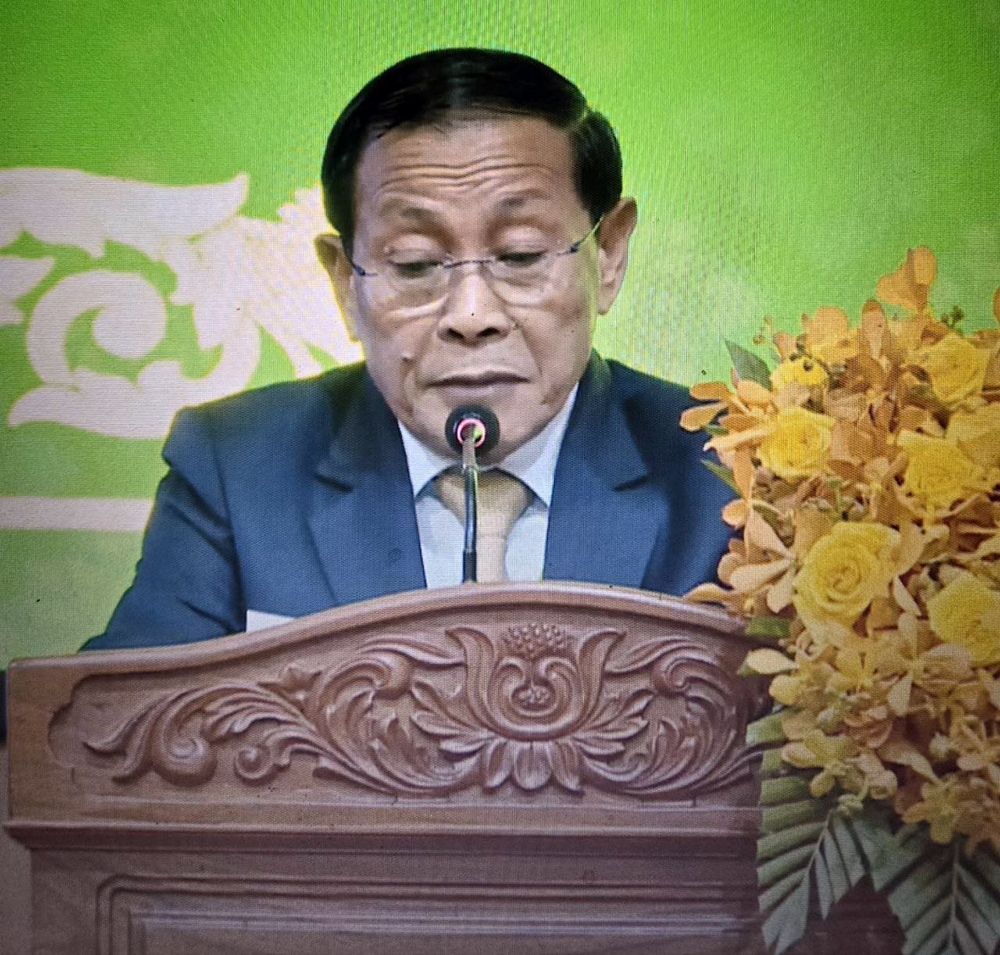
Minister Sok Soth, tasked with special missions, highlighted the long-standing importance of communes (Khums) in Cambodian society. He emphasized the need for sub-national administrative reforms based on democracy and development, advocating for the construction of social capital and sustainable development.
Minister of State Sok Soth, in charge of special missions and permanent vice-chairman of the National Committee for Sub-National Democratic Development (NCDD), stated at the plenary session summarizing the work achievements of the 5th mandate (2022-2025) of the Commune/Sangkat Council, held at the Sokha Hotel on September 8, 2026, that communes have had existence and importance in Cambodian society for a long time. He noted that the system of appointing commune administration began in 1908 and continued until before the Commune/Sangkat elections in 2002. Minister Sok Soth recalled that although Cambodia made attempts to organize elections for commune councils (such as in 1959), they were dissolved a few months later, and the appointment system was reinstated. In summary, over nearly 100 years, the commune management system in Cambodia has undergone continuous changes in line with political regime shifts, internal crises, and wars. He observed that the destruction of management structures in society, including administrative, economic, and social sectors, as well as communes, occurred during the Democratic Kampuchea regime. This historical situation of Cambodia's administration requires significant time and effort for reform, including the commune administration. He further explained that since early 1999, Cambodia began to establish the policy and legal framework for commune management after successfully implementing Prime Minister Hun Sen's "Win-Win" policy, which brought complete peace and national unity. Peace provided a valuable opportunity for the Royal Government to restore and build the nation based on the core values and principles of democracy and development enshrined in the Constitution of the Kingdom of Cambodia. Democracy and development necessitate the building and strengthening of social capital, meaning the construction and reinforcement of relationships among people in a democratic society, as well as between the people and the government, ministries, institutions, and competent authorities at all levels. Building social and political capital requires commitment and a long period to ensure sustainable national development. On this basis, in early 1999, Cambodia initiated reforms at the commune/sangkat level, promoting reforms based on the principles of democratic development, decentralization, and deconcentration. This new management system combines traditional management methods with modern systems, making it comparable to those in other countries.
Original source
AKP Khmer