Ho Chi Minh City Unveils Ambitious Riverside Redevelopment Project
Technology
2026年7月5日
6
VnExpress

Ho Chi Minh City Unveils Ambitious Riverside Redevelopment Project

AI サマリー

Ho Chi Minh City has initiated a massive redevelopment project worth over VND 29.3 trillion (approx. $1.2 billion) along the Saigon River, spanning from Ben Bach Dang to Ben Nha Rong-Khanh Hoi. The plan includes parks, plazas, underground spaces, and pedestrian bridges, aiming to blend historical heritage with modern urban living.

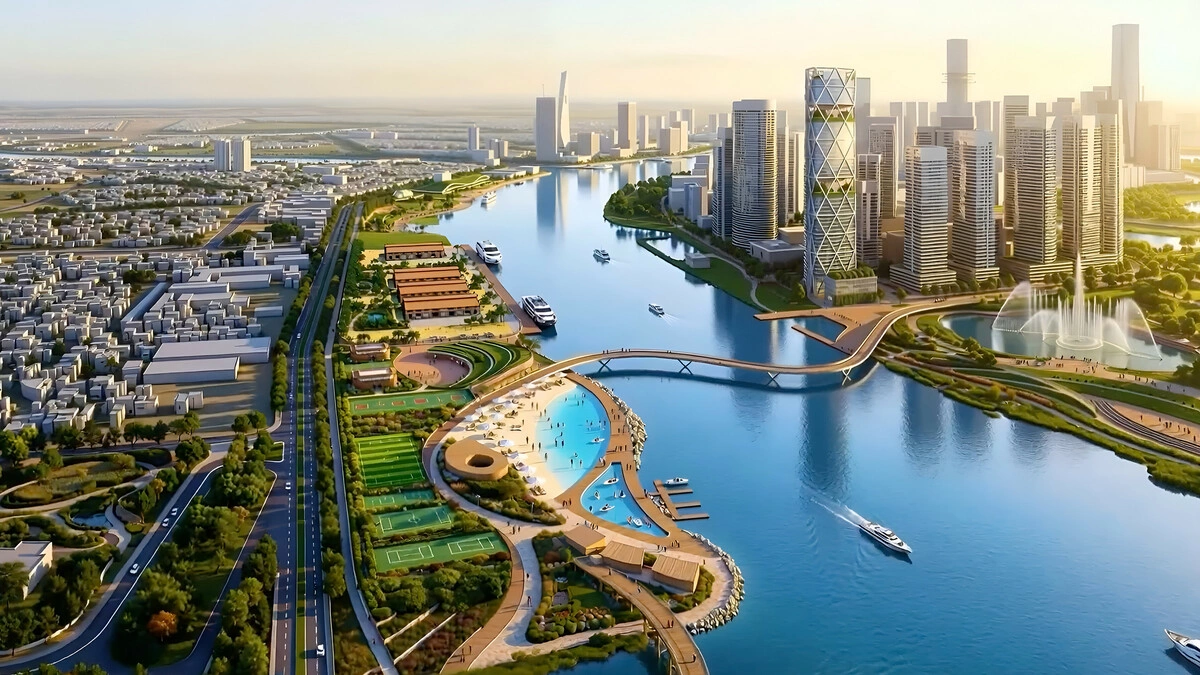
Ho Chi Minh City has commenced a large-scale redevelopment project along the Saigon River, from Ben Bach Dang to Ben Nha Rong-Khanh Hoi, with a total investment exceeding VND 29.3 trillion (approximately $1.2 billion). The project, covering 73.3 hectares, aims to create a new cultural, historical, and tourism axis along the river, while expanding public spaces and green areas in the city center. The Ben Nha Rong-Khanh Hoi area will be transformed into a 9.6-hectare cultural park designed around the theme of "historical flow," representing nine stages of President Ho Chi Minh's life. A key highlight will be the reconstruction of the ship "Amiral Latouche-Tréville," linked to the historic departure of Nguyen Tat Thanh (later Ho Chi Minh) on June 5, 1911, to seek a path for national salvation. The ship will be built based on original French designs. Meanwhile, the Khanh Hoi port area will be revitalized under the philosophy of "heritage adaptation," preserving remnants of the old port and its architectural characteristics. Existing warehouses and factories will retain their external facades, with internal spaces converted into exhibition areas, creative hubs, cultural centers, commercial zones, and community spaces, employing a "old shell, new core" approach. Infrastructure improvements are also integral to the plan. Nguyen Tat Thanh Street, a major artery connecting the southern districts to the city center, will be expanded from four to ten lanes, significantly enhancing connectivity. A new underground tunnel will be constructed on Hoang Dieu Street, along with parking lots and tourist terminals, and integrated technical infrastructure. Furthermore, the Tan Thuan 1 bridge, over 150 years old, will be dismantled and replaced with a new six-lane structure. The adjacent Tan Thuan 2 bridge will be widened to eight lanes, boosting regional connectivity and infrastructure synchronization. On the opposite bank, the Ben Bach Dang area will feature underground parking and commercial facilities, improving public access to riverside parks and spaces. An underground tunnel, parking, and auxiliary infrastructure will also be built along Hoang Dieu Street. A symbolic element of the project is a pedestrian bridge crossing the Ben Nghe canal as it flows into the Saigon River. Designed to resemble a ship's bow, it will evoke President Ho Chi Minh's journey. Additionally, the Ben Bach Dang area will see the development of green parks, expanded riverbanks, and upgraded embankments and viewing decks. A 720-meter pedestrian bridge connecting Ben Bach Dang Park to the Thu Thiem New Urban Area is expected to become a new architectural landmark for the city. The redevelopment is scheduled from the third quarter of 2023 to the second quarter of 2029, promising to transform this central Saigon Riverfront into a vibrant space where history and modernity converge.

多角的分析

経済的影響

このプロジェクトは、ホーチミン市の経済成長戦略、特に観光と都市開発における重要な柱となる。総額29兆3000億ドンという巨額の投資は、建設業、不動産業、サービス業に大きな刺激を与えるだろう。また、公共空間の拡充とインフラ整備は、都市の魅力向上に繋がり、国内外からの投資を呼び込む効果が期待される。ベトナム経済は一貫して高い成長率を維持しており、特に都市部でのインフラ投資は、経済活動の活性化に不可欠である。このプロジェクトは、ベトナムが国際的な観光・ビジネスハブとしての地位を確立するための長期的な投資と位置づけられる。

投資家心理

このプロジェクトは、不動産開発、インフラ、観光関連セクターへの投資機会を提供する。Sun Groupのような大手デベロッパーが関与していることは、プロジェクトの実行可能性と収益性に対する信頼性を示す。投資家は、再開発エリア周辺の不動産価値の上昇、商業施設の賃貸収入、そして観光客増加による関連ビジネスへの恩恵を期待できる。ただし、大規模プロジェクトには常にリスクが伴うため、進捗状況、規制変更、経済状況の変動などを注視する必要がある。ベトナムへの投資は、その高い成長ポテンシャルから注目されているが、透明性や法制度の安定性といった側面も考慮すべきだろう。

社会的影響

このプロジェクトは、ホーチミン市民の生活の質を向上させる可能性を秘めている。これまで倉庫や古い港湾施設が占めていた川沿いの土地が、公園や公共スペースとして整備されることで、市民はリラクゼーションやレクリエーションのための新たな場所を得ることができる。特に、ベン・ニャー・ロー・カイン・ホイ地区の文化公園は、歴史教育の場としても機能し、市民、特に若年層が国の歴史を学ぶ機会を提供する。一方で、大規模な再開発は、既存の住居や小規模事業者の移転を伴う可能性があり、地域社会への影響も考慮されるべき点である。また、交通インフラの整備は、長年の課題であった交通渋滞の緩和に寄与すると期待される。

市民の声

ホーチミン市の市民、特にサイゴン川沿いの居住者や通勤者は、このプロジェクトによって直接的な恩恵を受ける可能性がある。ベン・バック・ダン地区の地下駐車場や歩道橋の整備は、日常的な移動の利便性を高めるだろう。また、公園や広場の新設は、都市部での緑の空間を増やし、市民の憩いの場を提供する。しかし、建設期間中の騒音や交通規制、そして将来的な家賃や物価の上昇といった影響も懸念される。特に、歴史的な建造物や地域文化がどのように保存・継承されるか、市民の声がどの程度反映されるかが重要となる。

背景・歴史的文脈

ホーチミン市(旧サイゴン)は、ベトナム南部経済の中心地であり、フランス植民地時代から重要な港湾都市として発展してきた。サイゴン川沿いのエリアは、歴史的にも経済的にも中心的な役割を担ってきたが、長年にわたり港湾施設や倉庫が中心で、一般市民のアクセスは限られていた。近年、ベトナム政府は都市開発と観光振興を国家戦略の柱に据え、特にホーチミン市のような大都市におけるインフラ整備と公共空間の創出に力を入れている。2019年には、ベン・バック・ダンの再開発が一部完了し、公園や遊歩道が整備された。今回のプロジェクトは、その流れをさらに推し進め、歴史的遺産と現代的な都市機能を融合させ、国際的な水準の都市景観を創出することを目指している。これは、ベトナムの一党体制下における、国家主導型開発の一例と言える。

原文ソース

VnExpress

原文を読む