Hanoi to Relocate Polluting Industrial Zones from City Center in 100-Year Urban Plan
Diplomacy
2026年7月13日
4
VnExpress

Hanoi to Relocate Polluting Industrial Zones from City Center in 100-Year Urban Plan

AI サマリー

Hanoi plans to relocate polluting industrial zones from its city center after 2030, replacing them with urban social infrastructure. This initiative is part of a 100-year comprehensive urban development plan aiming to transform the industrial structure and promote sustainable urban growth.

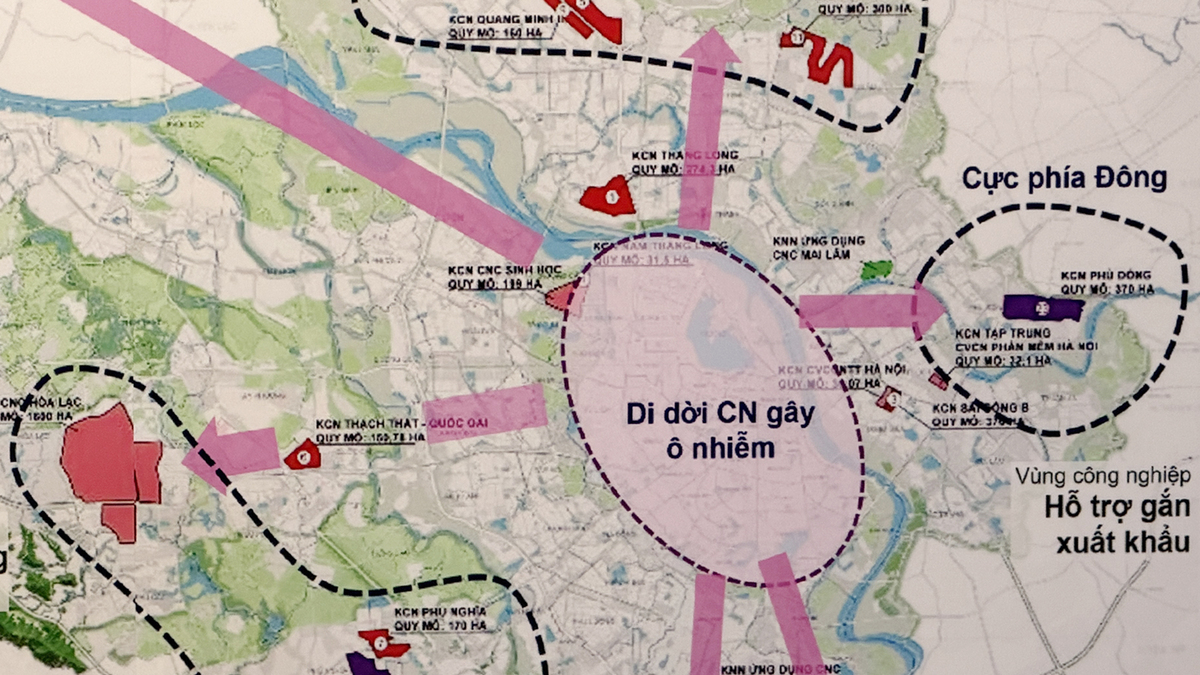
Hanoi is set to relocate polluting industrial zones from its city center, replacing them with urban social infrastructure as part of a 100-year comprehensive urban development plan. This initiative aims to transform the city's industrial structure and promote sustainable urban growth. According to the 100-year vision for Hanoi's overall urban plan, displayed at the Hanoi Museum, the city plans to establish 198 industrial clusters covering a total area of 7,296 hectares after 2030. Of these, 73 industrial clusters will maintain their current scale, 71 will be expanded or replanned, and 54 new potential clusters will be developed. The city will continue to move polluting industrial zones away from the center, substituting them with urban social infrastructure. It will also convert industrial clusters within the boundaries of Olympic sports city projects and prioritize the development of specialized industrial clusters linked to traditional craft villages. The development of industrial clusters is integrated with upgraded infrastructure and new developments, forming industrial cluster groups connected to growth poles. Specifically, the northern pole will focus on Soc Son and Dong Anh, aiming to become an international logistics hub. This area currently hosts industrial parks like Noi Bai, Soc Son, Dong Anh, Quang Minh, and Thang Long, with plans for a new Tien Thang industrial park and hundreds of hectares of reserve development land. The northwestern pole will feature the new Ba Vi Industrial Park, projected to span approximately 310 hectares. The eastern pole is designated as an industrial support region linked to exports. Besides the operational Sai Dong Industrial Park, a new Phu Dong Industrial Park of 370 hectares is anticipated. The southern pole will be associated with southern industrial support zones, with new industrial parks such as Bac Phu Xuyen, Phung Hiep II, Hanoi South Support Area, and Xuan Duong expected to be established. The western pole is planned as a region for industrial research, technology transfer, and new product testing. In addition to the Hoa Lac, Thach That - Quoc Oai, and Phu Nghia high-tech industrial parks, the city plans a new Phu Nghia II Industrial Park spanning 389 hectares. The exhibition showcasing these plans opened on June 29 and has attracted tens of thousands of visitors over two weeks, becoming one of the most popular events at the Hanoi Museum in recent years. The exhibition will run until August 29. The comprehensive plan applies to the entire administrative area of the capital, covering 3,359 square kilometers. The population is projected to reach 15 million by 2035 and a maximum of 19 million by 2065.

多角的分析

経済的影響

ハノイ市の工業団地移転計画は、都市の持続可能な経済発展と環境改善を両立させるための重要な一歩です。汚染物質排出の多い工業団地を都心部から移転させることで、環境負荷を低減し、不動産開発やサービス業といった高付加価値産業への転換を促す狙いがあります。これは、ベトナム経済が製造業中心から、より高付加価値で環境に配慮した産業構造へとシフトしていくマクロ経済的な流れとも合致しています。新たな工業団地の開発においては、国際的な物流ハブや技術移転拠点としての機能強化が図られており、これは外国直接投資(FDI)の誘致や、サプライチェーンにおけるベトナムの役割強化にも繋がる可能性があります。

投資家心理

この計画は、不動産投資家やインフラ関連企業にとって新たな機会をもたらす可能性があります。都心部から移転される工業用地は、住宅、商業施設、公共サービス施設などの開発用地として再利用されることが想定されており、都市開発プロジェクトへの投資が活発化することが予想されます。また、新設される工業団地は、最新のインフラを備え、特定の産業に特化することで、効率的な生産活動を支援し、長期的な投資魅力を高めるでしょう。ただし、移転に伴うコストや、新たな工業団地の開発リスク、そしてベトナムの土地利用規制や許認可プロセスの動向を注視する必要があります。

社会的影響

工業団地の移転は、ハノイ市民の生活環境に直接的な影響を与えます。都心部から汚染源がなくなることで、大気汚染や水質汚濁の改善が期待され、住民の健康増進や生活の質の向上に繋がるでしょう。一方で、移転対象となる工業団地で働く労働者の雇用や、周辺地域住民の生活への影響も考慮が必要です。また、新たな工業団地の開発に伴い、地域住民の移転やコミュニティの変化が生じる可能性もあり、丁寧な住民説明と支援策が求められます。伝統的な手工業村との連携は、地域文化の維持・発展にも寄与する可能性があります。

市民の声

工業団地の移転は、ハノイ市民、特に都心部に住む人々にとっては、大気汚染の軽減や騒音の減少といった生活環境の改善に直結する朗報と言えるでしょう。これまで工業団地の排出ガスや排水に苦しんできた地域では、より快適な居住環境が期待できます。しかし、移転によって新たな工業団地の周辺地域に住むことになる人々にとっては、交通アクセスの問題や、新たなインフラ整備の遅れなどが懸念される可能性があります。また、移転に伴う雇用機会の変化についても、市民は関心を持っていると考えられます。

背景・歴史的文脈

ベトナム、特にハノイのような大都市では、急速な経済成長と都市化に伴い、環境問題が深刻化してきました。工業団地からの排出物による大気汚染や水質汚染は、市民の健康や生活の質を脅かす主要因の一つとなっています。過去には、都市中心部に立地する工場や工業団地が、環境規制の強化や都市計画の見直しにより、郊外や近隣省へ移転する事例が複数ありました。今回の計画は、こうした過去の経験を踏まえ、より長期的な視点(100年後)で都市の持続可能性と環境保全を目指す、ベトナム共産党の一党体制下における計画的な都市開発の一環と言えます。これは、経済成長を最優先してきたベトナムが、近年、環境問題への対応や国民の生活の質向上にも重点を置くようになっている政策転換を反映しています。

原文ソース

VnExpress

原文を読む