14 Nations Reaffirm Ruling Rejecting China's South China Sea Claims on Ruling's 10th Anniversary
Ahead of the 10th anniversary of the Philippines-initiated arbitral ruling on the South China Sea, 14 countries, including the Philippines, issued a joint statement reaffirming that China's expansive maritime claims based on "historic rights" lack legal basis. They emphasized the importance of freedom of navigation and overflight and expressed concern over unilateral attempts to alter the status quo in the region.
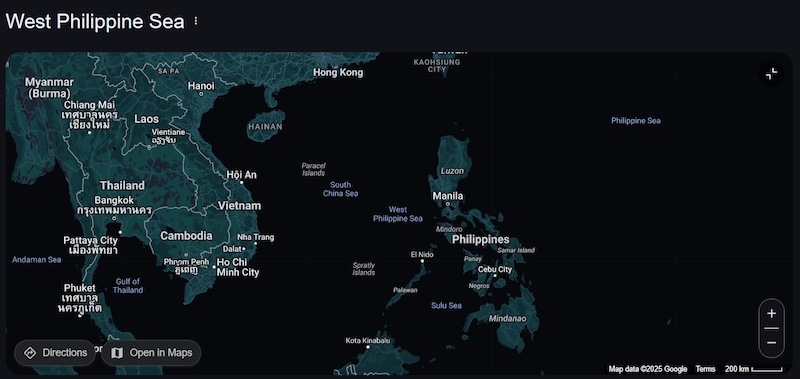
DAVAO CITY (MindaNews / 12 July 2026) – Fourteen countries, including the Philippines, issued a joint statement on Saturday, reaffirming their rejection of China’s “expansive maritime claims in the South China Sea,” including those based on “historic rights.” The statement underscored that China’s claims have no legal basis. “We underscore the importance of upholding freedom of navigation and overflight, as well as other internationally lawful uses of the sea, as reflected in UNCLOS,” the statement said. Signatories, in addition to the Philippines, included the United States of America, Australia, Canada, Estonia, Germany, Italy, Japan, Latvia, Lithuania, New Zealand, Romania, Slovenia, and the United Kingdom. The statement was released to the media by the US Embassy in Manila. The signatory countries stated they reaffirm “our unwavering commitment to maintaining a free and open Indo-Pacific that is peaceful, stable, and rules-based, anchored in international law, and commemorate the 10th anniversary of the July 12, 2016, Arbitral Tribunal’s landmark and unanimous decision on the South China Sea constituted under Annex VII of UNCLOS.” They added that maritime disputes must be resolved peacefully and in accordance with UNCLOS. They described the award rendered ten years ago as a significant milestone, final, legally binding, and definitive between China and the Philippines with respect to the maritime entitlements and claims addressed by the Arbitral Tribunal. The statement conveyed the signatories’ “strong opposition to any destabilizing or unilateral actions including by force or coercion that threaten peace and stability in the region” as well as the use of coast guard, military, and maritime militia forces “to harass, obstruct, or intimidate lawful operations by other States at sea or in the air, and in so doing endanger the safety of personnel and fishermen and seriously degrade regional peace and security.” However, the Arbitral Tribunal award has not stopped China from building up its military presence and asserting sovereignty in islets and other features within the West Philippine Sea. The Chinese Coast Guard has repeatedly prevented Filipino fishermen from fishing in these areas and harassed Philippine Coast Guard vessels doing patrols and resupply missions to military personnel stationed there. The previous administration was lukewarm to the Arbitral Tribunal award, with then-President Rodrigo Duterte calling it “just a piece of paper” and saying he will “throw it away.” Duterte’s foreign policy pandered heavily towards building closer relations with Beijing and he even expressed his desire to terminate the Enhanced Defense Cooperative Agreement (EDCA) entered into by the Aquino III administration in 2014. However, his successor, President Ferdinand Marcos Jr., revitalized the Philippines’ military ties with the US. In fact, in February 2023, Washington and Manila announced their plan for a full implementation of EDCA. The Philippines has been seeking to strengthen defense ties with Japan, which also has a territorial dispute with China over Senkaku Islands located off Taiwan’s eastern coast. China has been asserting “sovereignty” over most of the South China Sea, including the West Philippine Sea, through its “10-dash line.”
多角的分析
南シナ海における中国の海洋権益主張の否定は、フィリピン経済にとって漁業資源の確保や、将来的なエネルギー資源開発の可能性を維持する上で重要である。中国の活動が活発化すれば、漁業への直接的な影響に加え、海上輸送路の安全保障リスクが増大し、貿易コストの上昇や投資意欲の減退につながる可能性がある。仲裁判断の再確認は、国際法に基づく秩序維持への期待を高めるものの、実際の紛争解決には中国の協力が不可欠であり、経済的な不確実性は依然として残る。
この共同声明は、南シナ海における国際法遵守の重要性を再確認するものであり、投資家にとっては一定の安定要因となり得る。特に、フィリピンと関係を強化している米国や日本などの国々が連名している点は、法の支配に基づく地域秩序への信頼を醸成する。しかし、中国の現地の活動が継続している事実は、依然として地政学リスクが存在することを示唆しており、直接的な投資判断には慎重さが求められる。BPO産業やインフラ投資など、フィリピンの経済成長に不可欠な分野への影響も、地域情勢の安定性に左右される。
南シナ海における中国の活動は、フィリピンの沿岸コミュニティ、特に漁業に依存する人々の生活に直接的な影響を与えている。中国海警局による漁船への妨害や嫌がらせは、彼らの生計を脅かすだけでなく、精神的な苦痛も与えている。仲裁判断の再確認は、彼らにとって権利回復への希望となる可能性があるが、現場での実効性が伴わなければ、失望感につながりかねない。また、この問題は、フィリピン国民全体の愛国心や国家主権への意識を高める要因ともなっている。
10年前に下された仲裁判断は、フィリピン国民の主権と海洋権益を守るための重要な一歩であった。しかし、中国による一方的な活動が続いている現状は、多くの国民にとって、この判断が実質的にどれだけ守られているのかという疑問を生じさせている。特に、漁業関係者や沿岸住民は、日々の生活の中でその影響を直接感じており、政府に対してより強力な対応を求めている。今回の14カ国による共同声明は、国際社会からの支持を示すものであり、国民の間に一定の安心感をもたらす可能性があるが、同時に、この国際的な支援をどのように具体的な行動に繋げていくのかが、国民の関心事となっている。
背景・歴史的文脈
2016年7月12日、常設仲裁裁判所はフィリピンが提訴した南シナ海問題に関する紛争で、中国の「九段線」に基づく歴史的権利主張を否定し、フィリピンの排他的経済水域(EEZ)における権利を認める判断を下した。この裁定は、国連海洋法条約(UNCLOS)に基づき、国際法上の紛争解決メカニズムの有効性を示すものとして注目された。しかし、中国はこの裁定を「無効」として受け入れず、以降も南シナ海での人工島建設や軍事拠点化を進め、フィリピン漁民や沿岸警備隊への妨害行為を続けている。ドゥテルテ前政権下では、この仲裁判断への積極的な言及が避けられ、中国との関係改善が優先されたが、マルコス・ジュニア現政権は米国との防衛協力を強化し、仲裁判断の重要性を再確認する姿勢を示している。
原文ソース
MindaNews Philippines (GN)