General articles are free for 24 hours after publish.
Owls in NTT Face Persecution Amidst Superstition, Including Burning Incidents
A series of persecution incidents against owls has occurred in Indonesia's East Nusa Tenggara (NTT) province, fueled by superstition. Notably, three men burned an owl alive, drawing widespread condemnation for violence against protected animals. The incidents stem from cultural beliefs associating owls with bad omens and black magic.
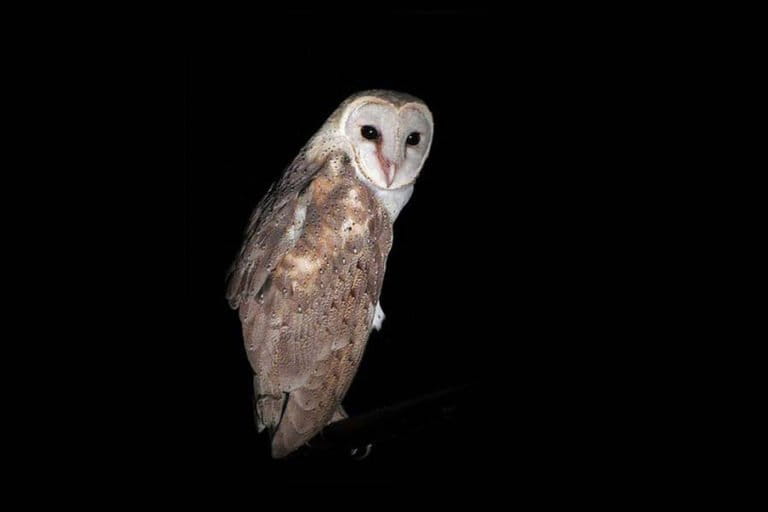
Violence against owls in Indonesia's East Nusa Tenggara (NTT) province has become a widespread concern. In January 2026, an owl of the Tyto alba species was shot dead in Belu Regency, with the owner claiming disturbance. The act, recorded and shared on social media, drew widespread condemnation. More distressingly, in August 2026, three men in Manggarai Barat allegedly beat and burned alive an owl, suspected to be a Flores scops owl (Otus alfredi). Adhi Nurul Hadi, Head of BBKSDA NTT, expressed deep regret over these acts of violence. He stated that harming or killing protected wildlife is a severe violation, punishable by up to 15 years in prison under Law Number 32 of 2024 concerning Amendments to Law Number 5 of 1990 on the Conservation of Biological Natural Resources and Their Ecosystems. "Acts of violence against wildlife are never justifiable. BBKSDA NTT expresses its concern and regret over the actions taken against this animal," Adhi was quoted as saying. However, the most worrying aspect is the motive behind these brutal actions. The three perpetrators claimed they burned the owl because they believed its presence was a bad omen and linked to black magic, which they thought would be dispelled by their actions. Owls, particularly species like the Serak Jawa, are known as farmers' allies due to their exceptional rodent-hunting abilities. The name 'owl' itself is not merely a frightening moniker but is scientifically substantiated by two biological reasons, primarily their strictly nocturnal lifestyle. Comparative genomic studies of 11 species...
Original source
Mongabay Indonesia