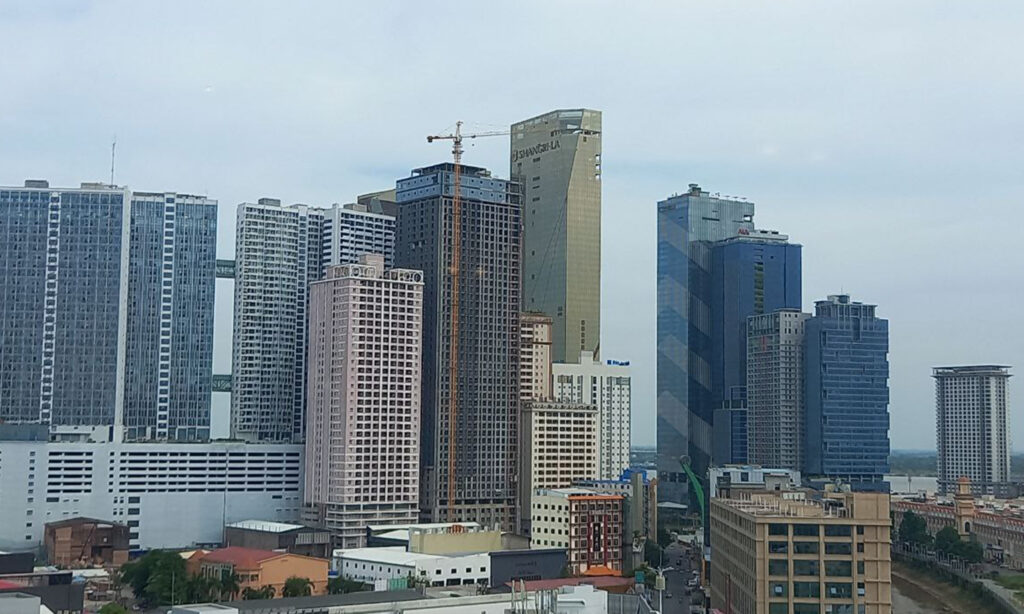
Cambodia Real Estate Market Faces Condo Price Drops and Weak Office Rental Demand
Economy
2026年7月10日
5
Kampuchea Thmey Local
Relations
🇰🇭Cambodia🇨🇳China

Cambodia Real Estate Market Faces Condo Price Drops and Weak Office Rental Demand

AI サマリー

Cambodia's real estate market is grappling with falling condominium prices and an oversupply of office spaces with weak rental demand in the first half of 2024. Grade A offices are experiencing high vacancy rates, with foreign firms considering moves to lower grades to cut costs. The condo market also faces tens of thousands of unoccupied units, with actual sale prices dropping 20-30% below asking rates.

Cambodia's real estate market is currently facing significant pressure. In the first half of 2024, the condominium market has seen a notable drop in prices, while the office building market continues to experience a trend where supply outstrips demand. Ms. Sok Heng Phetmony, Manager of Retail Services at APS, a major international real estate service company, stated that the Grade A office market is particularly struggling with oversupply and a severe lack of tenants. At least ten new office buildings have emerged in the last three years, increasing the total vacant office space in the market to approximately 600,000 square meters. "The main problem is the lack of tenants, not a lack of locations or buildings," Ms. Sok Heng Phetmony clarified. Due to the high rental costs for Grade A offices, tenant companies are becoming more cautious. Some have decided to switch from renting Grade A offices to Grade B ones when relocating. Over 60% of Grade A office tenants are large foreign companies, while most local companies do not focus on Grade A offices. Instead, they choose locations that are affordable and meet reasonable standards, such as Grade B or Grade C. Ms. Sok Heng Phetmony further explained, "Nearly 60% of tenants in large office buildings are foreign or multinational corporations that can sustain their presence for a long time. However, even these companies are trying to save costs by opting to rent Grade B or Grade C offices instead." Most Cambodian companies prefer to rent shophouses or villas to use as offices. Currently, there is a trend of shifting from renting shophouses on main roads to renting villas. The difference between an office and a villa lies in the flexibility that renting a separate villa offers. Employees can live there, and there are no strict time restrictions for entry and exit, unlike the rigid rules in office buildings. Regarding the condominium market, Ms. Sok Heng Phetmony indicated that prices have fallen sharply, with tens of thousands of condominium units remaining unoccupied. The current average price for condominiums ranges from approximately $1,200 per square meter to a high of over $2,700 per square meter. However, actual sale prices can be 20% to 30% lower than the asking prices. Ms. Sok Heng Phetmony stated that condominium owners are now willing to lower prices to attract tenants, even if the income generated is far from their multi-million dollar construction investments. To attract tenants in this challenging market, the expert recommends that property owners adjust their strategies in two ways: 1. Reduce rental prices: Previously, office rental prices were not easily lowered, but now it is essential to reduce them to compete. 2. Provide facilitation for office setup to a standard: This helps reduce the cost and time for tenants to undertake additional construction, making it easier for them to decide to rent. Real estate experts observe that the general Cambodian population still prefers to live in housing developments (boreys). However, for the condominium market, younger generations like Gen Z and Gen Alpha may represent the future target customer trend, as they tend to have more modern and sophisticated lifestyles. Source: Kampuchea Thmey Local

多角的分析

経済的影響

カンボジア経済は、特に不動産セクターにおいて、過剰供給と需要の鈍化という構造的な課題に直面しています。コンドミニアム市場では、過去数年間の急速な開発による供給過剰が価格下落を招き、多くの未入居物件が発生しています。オフィス市場では、特にグレードA物件において、外国企業への依存度が高いことが、グローバル経済の変動やコスト削減圧力の影響を受けやすい構造を生んでいます。国内企業のグレードBやCへのシフト、あるいはヴィラや店舗のオフィス転用は、経済状況の変化に対応する柔軟性を示唆していますが、高級オフィス市場の低迷は、より広範な経済活動の減速や、企業が将来への不確実性から設備投資を抑制している可能性を示唆しています。

投資家心理

カンボジアの不動産投資家は、現在、コンドミニアムおよびオフィスセクターにおいて、慎重な姿勢をとるべき局面を迎えています。コンドミニアム市場では、大幅な価格下落と未入居物件の多さが、短期的なキャピタルゲインの期待を低下させています。オフィス市場、特にグレードA物件への投資は、高い空室率と賃料下落のリスクに直面しており、外国企業への依存度が高いことから、国際経済の動向に左右されやすいでしょう。投資家は、市場の供給過剰が解消されるまで、あるいは需要を喚起するような新たなイノベーション(例:フレキシブルオフィス、コワーキングスペースの拡大)が登場するまで、投資を控えるか、よりリスクの低いセクター(例:手頃な価格帯の住宅、物流施設)に焦点を移すことを検討すべきです。

社会的影響

カンボジアの不動産市場の現状は、市民の住居選択や働き方に影響を与えています。コンドミニアム価格の下落は、一部の若年層(Gen Z、Gen Alpha)にとっては、都市部でのモダンな生活スタイルを実現する機会となり得ますが、多くの未入居物件は、建設業界や関連産業における雇用への影響も懸念されます。オフィス市場の低迷は、特に外国企業に依存する高級オフィスビルで働く層の雇用や、企業の移転・縮小に伴う経済活動の変化をもたらす可能性があります。また、国内企業がグレードBやC、あるいはヴィラなどをオフィスとして利用する傾向は、より柔軟でコスト効率の高い働き方へのシフトを示唆しており、職住近接やリモートワークといった新しい働き方の浸透とも関連している可能性があります。

市民の声

カンボジア市民、特にプノンペンの居住者にとっては、不動産市場の動向は生活費や住環境に直接関わってきます。コンドミニアム価格の下落は、一部の若年層にとって、以前は手の届かなかった都市部での住居購入の機会をもたらす可能性があります。しかし、多くの未入居物件の存在は、不動産開発の過熱とその後の調整局面を示唆しており、将来的な不動産価値の安定性に対する懸念も生じさせます。オフィス賃貸市場の低迷は、企業がオフィススペースの選定においてよりコストを重視するようになり、賃料交渉の余地が生まれる一方で、企業の移転や縮小が雇用に影響を与える可能性も考えられます。国内企業がヴィラなどをオフィスとして利用する傾向は、よりアットホームで柔軟な職場環境を求める声の表れとも解釈できます。

背景・歴史的文脈

カンボジアの不動産市場は、近年、特に中国からの投資流入と都市部への人口集中を背景に急速な成長を遂げてきました。2010年代後半には、コンドミニアム開発がブームとなり、プノンペンを中心に数多くの高層ビルが建設されました。しかし、この開発は主に外国からの投資や購入者に依存する傾向があり、国内の購買力との乖離が指摘されていました。また、オフィス市場においても、経済成長に伴う外国企業の進出が見られましたが、近年はグローバル経済の不確実性や、パンデミックの影響で、企業のオフィス戦略の見直しが進んでいます。今回の市場の低迷は、こうした過去の急速な開発と、現在の経済環境の変化が交錯した結果と考えられます。

原文ソース

Kampuchea Thmey Local

原文を読む