Cambodia to Host National Fish Day to Raise Public Awareness on Fishery Resource Conservation
Society
2026年6月29日
5
AKP Khmer

Cambodia to Host National Fish Day to Raise Public Awareness on Fishery Resource Conservation

AI サマリー

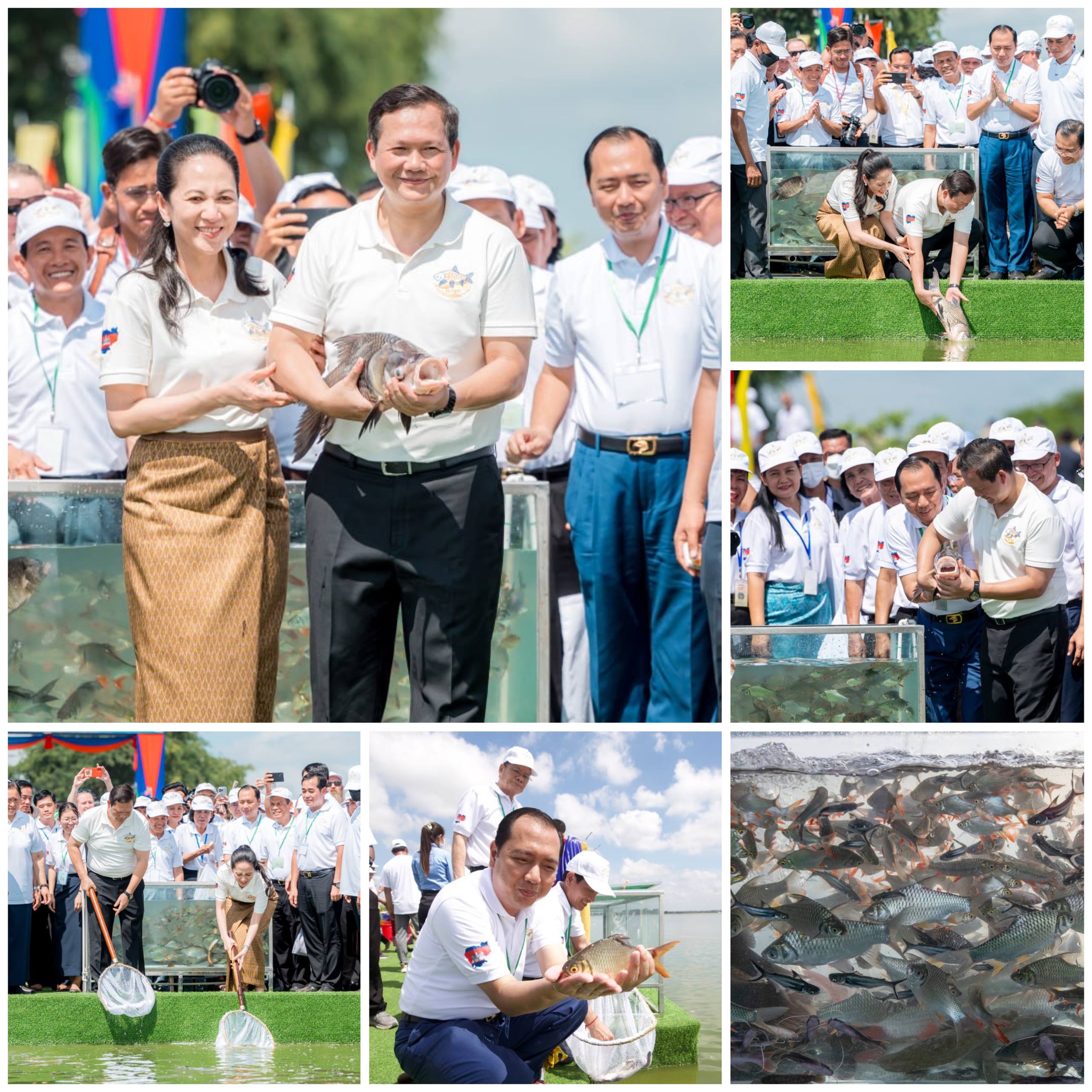
Cambodia will celebrate National Fish Day on July 1st, an annual event dedicated to raising public awareness for fishery resource conservation. Approximately 5 million fish and aquatic animals are released into natural waters each year as part of this initiative. This year's main event will be held in Svay Rieng province, presided over by Prime Minister Hun Manet.

Cambodia is set to observe National Fish Day on July 1st, an annual event aimed at fostering public awareness and participation in the conservation of fishery resources. Approximately 5 million fish and aquatic species are released into natural waters nationwide each year as part of this initiative. This observance, which coincides with the freshwater fishing ban period from early June to late October, seeks to promote the reproduction and growth of fish stocks, thereby ensuring future fishing yields and contributing to national food security and the livelihoods of citizens. This year's National Fish Day will be celebrated at Vai Go River in Svay Rieng province, with Prime Minister Hun Manet and his wife expected to preside over the ceremony. This marks the second time the event will be held at Vai Go River, the first being in 2011. The river is a vital water resource, maintaining significant water levels throughout the year and supporting both fishing and agricultural activities. Historical accounts suggest the river earned its name between the 12th and 13th centuries when local residents and traders engaged in the trade of cattle and buffalo, which were transported across the river. In previous National Fish Day addresses, Prime Minister Hun Manet has emphasized the importance of strengthening fishery resource conservation, protecting flooded forests and mangrove areas, and preserving endangered species such as Mekong River dolphins. He has also called for stricter enforcement against illegal fishing activities and promoted the development of fishing communities and sustainable fishery management. Furthermore, the government encourages research into breeding techniques for rare and endangered aquatic species and promotes aquaculture in both freshwater and marine environments. According to a 2025 report from the Ministry of Agriculture, Forestry and Fisheries, Cambodia's total fishery output reached 978,560 tons, a 5.6% increase from the previous year. This growth is attributed to the concerted efforts of specialized agencies, armed forces, sub-national administrations, relevant authorities, and fishing communities in combating illegal fishing, supported by public information. Notable achievements include enhanced breeding capacity for the national symbol, the Kinabalu barb (Trachypoma macrolepis), and other key fish species. The processing and export of fishery products to markets like China and Australia, rescue operations for broodstock in drying areas during the dry season, the construction of fish ladders to facilitate fish migration, and the participation of citizens in releasing broodstock and endangered fish back into the wild are all commendable actions contributing significantly to food security, improved livelihoods, poverty reduction, and national economic sustenance. Cambodia is fortunate to be rich in aquatic resources across its rivers, streams, lakes, reservoirs, ponds, and even rice fields, embodying the Khmer proverb, 'Where there is water, there are fish.' Fish are a primary food source for the Cambodian population, underscoring the necessity of collective efforts to protect, conserve, and develop these invaluable resources for future generations. Source: AKP Khmer

多角的分析

経済的影響

ナショナル・フィッシュ・デーの開催は、カンボジアの経済において漁業が依然として重要な役割を担っていることを示唆している。2025年の漁獲量978,560トンという数字は、国内の食料供給だけでなく、輸出を通じた外貨獲得の可能性も示している。特に、中国やオーストラリアへの水産物輸出に言及されている点は、経済的多角化の観点からも注目に値する。持続可能な漁業資源の管理は、長期的な経済成長の基盤となるため、政府がこの問題に注力することは、経済的安定に不可欠である。

投資家心理

投資家にとって、カンボジアの漁業セクターは、その規模と成長の可能性から関心を集める可能性がある。水産物の国内消費に加え、輸出市場の拡大は、関連企業への投資機会をもたらす。特に、養殖技術の向上や、高付加価値製品の開発は、投資収益率を高める要因となりうる。ただし、違法漁業の取り締まり強化や、気候変動による水産資源への影響など、リスク要因も考慮する必要がある。

社会的影響

ナショナル・フィッシュ・デーは、カンボジア国民の食生活に深く根差した魚食文化と、それを支える漁業資源の重要性を再認識させる機会である。約500万匹の魚の放流は、単なる環境保護活動に留まらず、漁師たちの生計、そして国民全体の食料安全保障に直結する。漁業コミュニティの能力強化や、エコツーリズムの推進は、地域経済の活性化と、漁業に依存する人々の生活向上に繋がる。しかし、違法漁業の蔓延や、資源の枯渇は、これらの社会的な恩恵を脅かす可能性がある。

市民の声

カンボジア市民にとって、ナショナル・フィッシュ・デーは、自分たちの食卓に並ぶ魚がどのように守られているのかを知る機会となる。特に、漁業に携わる人々にとっては、資源保護の重要性が直接的に生活に影響するため、この日の取り組みは極めて重要である。政府による資源保護策の強化や、違法漁業への厳格な対応は、市民の食料安全保障を確保し、より安定した漁獲量を期待させる。また、エコツーリズムの推進は、新たな収入源となり、地域社会の活性化にも繋がるだろう。

背景・歴史的文脈

カンボジアにおける漁業資源の保護は、長年にわたる課題である。メコン川流域に位置する同国は、豊かな水産資源に恵まれてきたが、乱獲、違法漁業、生息環境の悪化などにより、その持続可能性が脅かされてきた。1990年代以降、政府は禁漁期間の設定や保護区の設置など、様々な対策を講じてきた。ナショナル・フィッシュ・デーは、こうした取り組みの一環として、2000年代初頭から毎年開催されており、国民の意識啓発と、資源管理への協力を促すことを目的としている。過去には、フン・セン元首相もこの行事の重要性を強調し、具体的な指示を出してきた。今回のフン・マネト首相による開催は、この伝統を引き継ぎ、漁業資源保護への政府の継続的なコミットメントを示すものである。

原文ソース

AKP Khmer

原文を読む