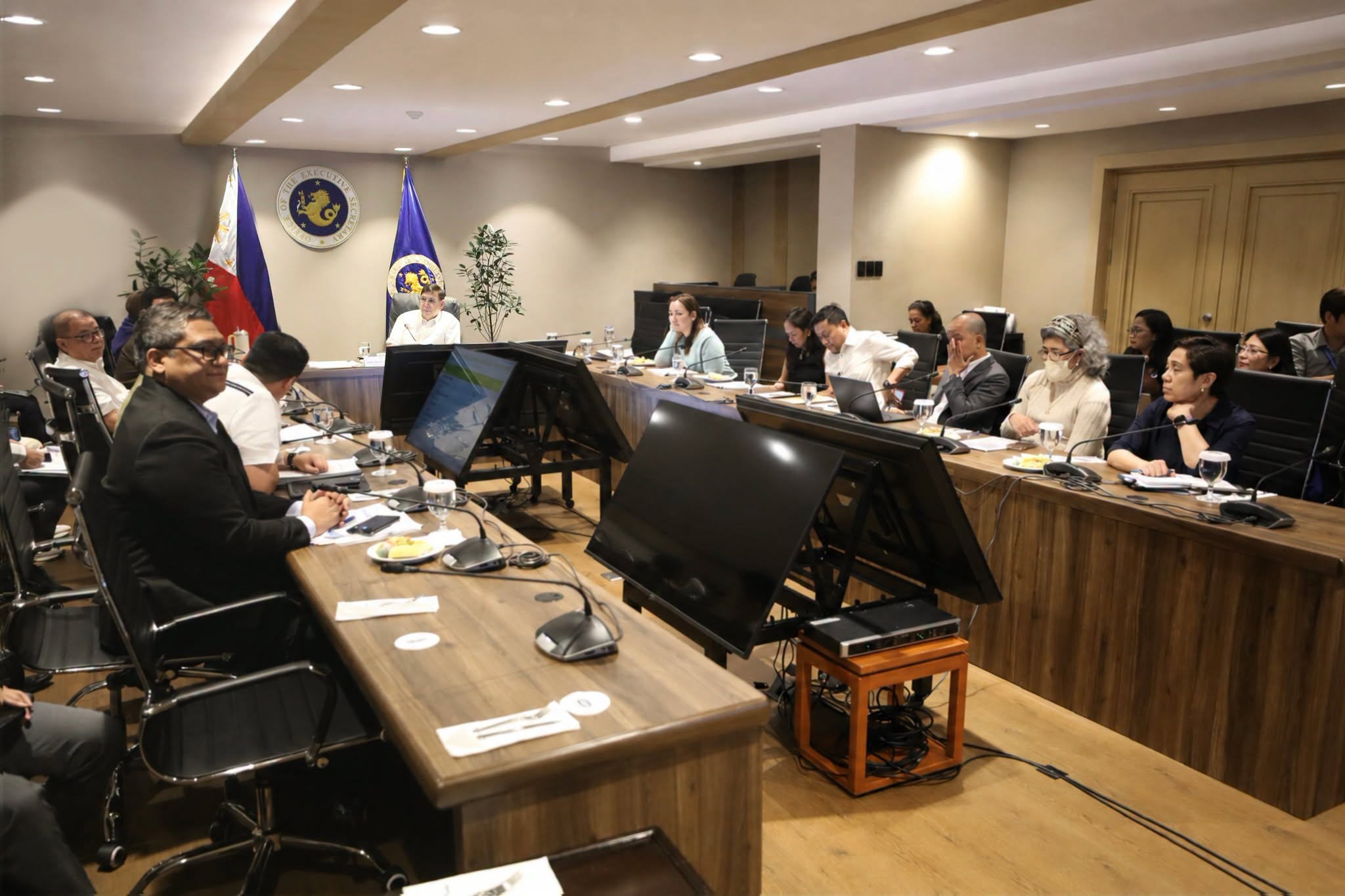
Marcos orders 2027 budget to prioritize ready-to-implement, high-benefit projects
President Ferdinand Marcos Jr. has directed that funding for the proposed 2027 national budget prioritize projects ready for immediate implementation and offering the greatest public benefit, as cabinet reviews are underway.
This article requires PRO
This article is outside the free access window or is a special report. PRO unlocks it and the full archive.
Related articles
- Pangilinan Questions Cale88 Ownership Change Amid P1.25B Transactions
Senator Francis Pangilinan questioned the ownership change of Cale88 Foods Corp., citing Anti-Money Laundering Council (AMLC) records allegedly showing over ₱1.25 billion in transactions from 2022 to 2025. He also referenced testimony that lawyer Manases Carpio, husband of the Vice President, held 47.5 percent of the company's shares.
- SolGen Urges SC to Uphold Law Rescheduling Barangay Elections
The Philippine Solicitor General's Office has asked the Supreme Court to dismiss a legal challenge against Republic Act No. 12326, which rescheduled local elections and extended terms to five years. The government argues Congress acted constitutionally, citing potential cost savings and administrative stability.
- Chinese state firms sent funds to firm linked to VP Duterte, says Senator
Senator Risa Hontiveros revealed that Chinese state-owned enterprises allegedly sent P319.33 million to a company linked to Vice President Sara Duterte-Carpio's husband, raising questions about the source of the funds and potential links to Beijing.
- Duterte-Carpio Denies Allegations of Illegal Cash Deliveries, Luxury Gifts
Philippine Vice President Sara Duterte-Carpio has strongly denied allegations of receiving illegal cash deliveries and luxury gifts, calling them fabricated political attacks. She presented travel records and official documents to refute claims made by a former security aide.