BPI waives InstaPay, PESONet fees, eyes more customers
Bank of the Philippine Islands (BPI) has permanently waived transfer fees for InstaPay and PESONet transactions, citing that the only additional cost for interbank transfers is the switch fee (around P1.50). The bank aims to attract more customers and leverage transaction data to offer a wider range of financial services.
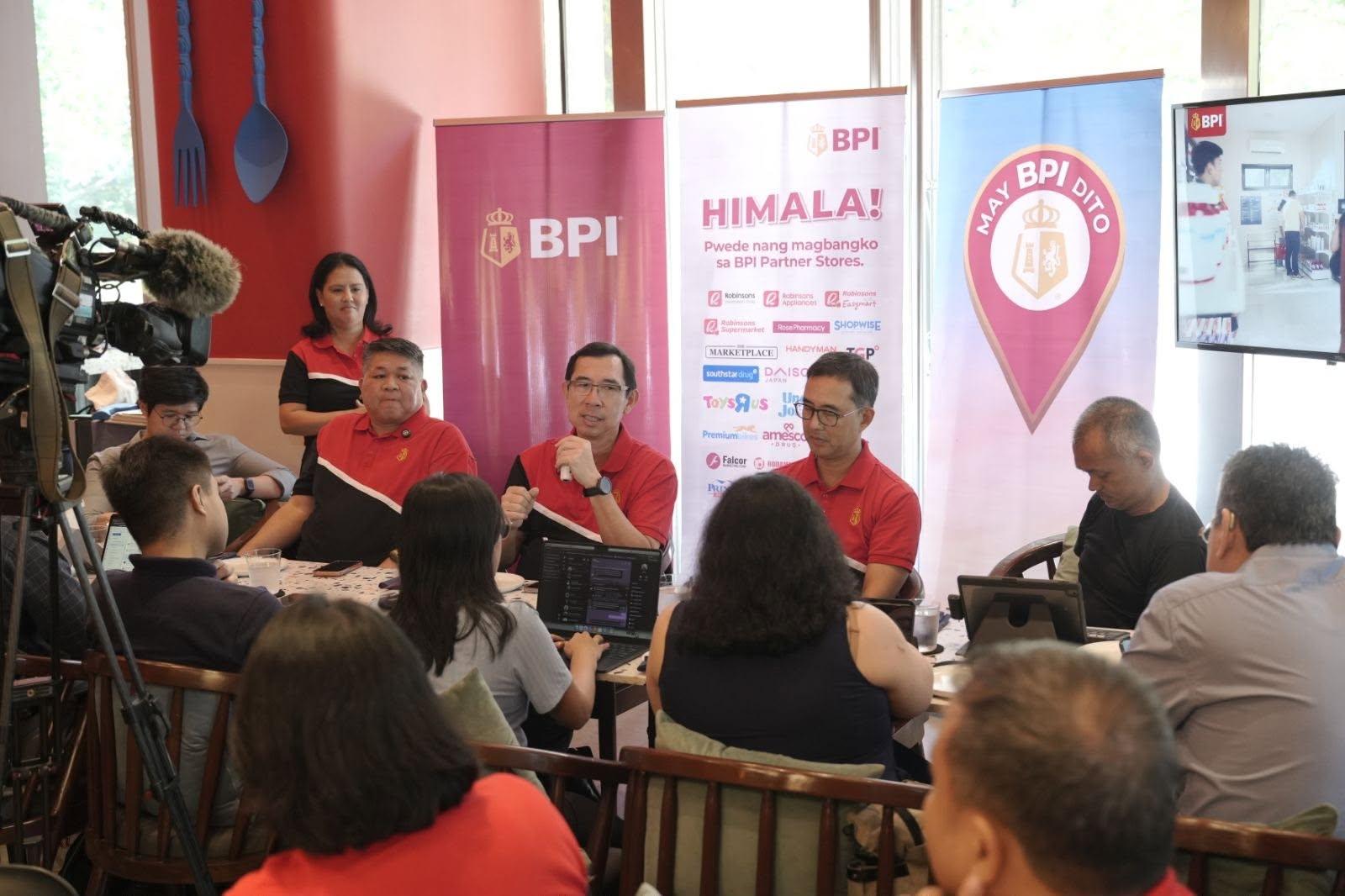
The Bank of the Philippine Islands (BPI) on Wednesday explained its decision to offer free interbank transfers, with president and chief executive officer Jose Teodoro “TG” Limcaoco saying the only difference between intrabank and interbank transfers is the P1.50 switch fee for InstaPay transactions. According to Limcaoco, banks already incur the same technology, cybersecurity, and customer service costs for both intrabank and interbank transfers. The only additional cost, he said, is the “switch fee,” paid to a payment network that processes transactions between banks. “As far as the BSP is concerned, my interpretation of what the BSP is saying is that you can charge anything you want, but the difference has to be P1.50… We think if banks are willing to offer on-us free, why wouldn’t you give the P1.50 also for free?” he told reporters in Makati City. “That’s my view. I don’t know if the other banks will agree, but I think the BSP is very clear that the difference has to be the switch fee and we’ll see where that goes,” he added. His remarks came after the Bangko Sentral ng Pilipinas (BSP) issued Memorandum 2026-025, which implements Circular 1238, stating that any difference between intrabank and interbank transfer fees should reflect only the actual switch cost—the cost of processing a transaction through a payment network. At present, a number of Philippine banks already offer free intrabank fund transfers. As Limcaoco said the switch cost for interbank InstaPay transfers was estimated at P1.50, this should be the only charge for the transactions with other banks. “My view is they have to follow the BSP circular, and the BSP circular says your difference can only be the network fee so you either go P0 and P1.50 or you go P13.50 and P15, or P8.50 and P10, ” Limcaoco said. “Kami we said why would you charge P1.50 pa? [For us, we said why would you still charge P1.50?]” he added. BPI on Wednesday, July 1, permanently removed transfer fees from transactions made through InstaPay and PESONet, expected to benefit over 9.5 million enrolled users of its app. Transfers to other banks and e-wallets for all verified VYBE users also remain free. “We think this just generates a lot more customers, a lot more activity, our ability to understand what the customer does. Therefore, we can see if a customer stays with us, we can see what kind of services we can give them — loans, credit cards, insurance, or deposits,” Limcaoco said. Other banks have yet to make similar announcements on the removal of interbank transfer fees. BPI closed 2025 with a P66.62-billion net income, up 7.4% from the previous year, as net interest income grew 16% to P148 billion. Total revenues climbed 14.8% to P195.3 billion Assets hit P3.625 trillion, making it the second-biggest bank in the country. The Ayala-led lender is looking to reach high single-digit growth in its net income and mid-teens in its loans this year, with optimism over a rebound in borrowing demand as global and local uncertainties ease. — BM, GMA News
多角的分析
BPIの銀行間送金手数料無料化は、デジタル決済の普及を加速させる重要な一歩です。スイッチ手数料(約1.50ペソ)の撤廃は、利用者の負担を軽減し、特に少額送金が多い層や、頻繁に送金を行うユーザーにとって、実質的なコスト削減となります。これは、フィリピンの金融包摂を促進し、特に地方や低所得者層がデジタル金融サービスにアクセスしやすくなる可能性を秘めています。また、銀行側にとっては、取引量の増加を通じて顧客データを収集・分析し、クロスセル・アップセルに繋げる戦略が期待されます。これは、フィリピン経済全体のデジタル化と効率化に貢献する可能性があります。
BPIのこの動きは、競争環境の変化とデジタル化への投資の重要性を示唆しています。手数料無料化は短期的な収益減をもたらす可能性がありますが、長期的な顧客基盤の拡大とデータ活用による収益源の多様化を見据えた戦略と考えられます。投資家は、BPIの顧客獲得数、取引量の増加、そしてそれらがクロスセル(ローン、保険など)にどれだけ結びつくかを注視する必要があります。他の銀行が追随するかどうかも、市場全体の競争構造に影響を与えるため、今後の動向が注目されます。フィリピンのデジタル金融市場は成長しており、BPIのこの戦略は、その成長をさらに加速させる可能性があります。
銀行間送金手数料の無料化は、フィリピン国民、特にデジタル決済を利用する層にとって、日常的な金融取引の利便性を大幅に向上させます。家族への送金や、オンラインショッピングでの支払いなどが、より手軽になります。これは、特に海外で働くフィリピン人(OFW)が本国へ送金する際の負担軽減にも繋がり、家族の生活を支える上で間接的な恩恵をもたらします。一方で、デジタルデバイド(情報格差)が存在する地域や層にとっては、この恩恵は限定的であり、デジタルリテラシーの向上やインフラ整備が引き続き課題となります。BPIの戦略が、より多くの国民をデジタル金融サービスに取り込むことができるかが、社会的な包摂の観点から重要となります。
BPIの銀行間送金手数料無料化は、マニラ首都圏の多くの市民にとって、日々の生活費の節約に直結する朗報です。特に、オンラインショッピングや、友人・家族への少額送金が頻繁な人々にとっては、無駄な手数料がなくなることで、より多くの資金を自由に使えるようになります。例えば、SNSで商品を売買する際の決済や、友人との飲食代の割り勘などが、よりスムーズかつ安価に行えるようになります。しかし、地方に住む人々や、まだスマートフォンやインターネットに不慣れな層にとっては、この恩恵を実感する機会が少ないかもしれません。BPIのアプリ利用が前提となるため、アプリへのアクセスや利用方法を習得する必要があり、これが新たな課題となる可能性も考えられます。
背景・歴史的文脈
フィリピンにおけるデジタル決済の普及は、近年急速に進んでいます。特にCOVID-19パンデミック以降、非接触型決済の需要が高まり、政府も金融包摂の推進のため、デジタル化を後押ししてきました。2020年には、BSPがInstaPayとPESONetのスイッチ手数料を一時的に無料化し、利用を促進しました。今回のBPIの恒久的な無料化は、この流れをさらに加速させるものです。フィリピンでは、依然として現金決済が主流な地域や層も存在しますが、都市部を中心にスマートフォンの普及とインターネットアクセスの改善が進み、デジタルウォレットやオンラインバンキングの利用者が増加しています。BPIのような大手銀行が手数料無料化に踏み切ることで、他の金融機関も追随せざるを得なくなり、フィリピンの金融エコシステム全体がよりデジタル化・効率化されることが期待されます。
原文ソース
GMA Money Philippines