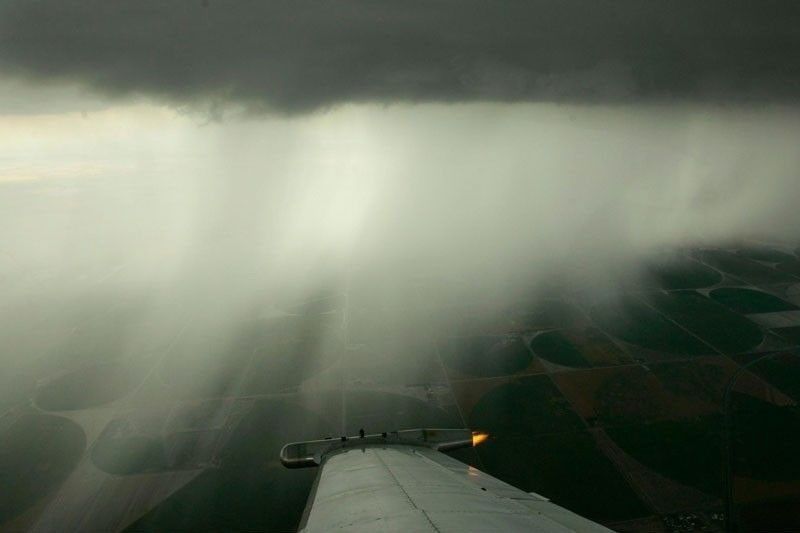
Isabela Farmers Receive Cloud Seeding, Aid Amidst El Niño Dry Spell
Isabela province in the Philippines is facing a severe water shortage affecting about 31,000 hectares of rice fields due to the El Niño phenomenon. In response, the Department of Agriculture is conducting cloud seeding operations, and the provincial government is expanding emergency aid to farmers.
This article requires PRO
This article is outside the free access window or is a special report. PRO unlocks it and the full archive.
Related articles
- Matibag: Tupas, Not NBI, Raised Life Threat Allegations
National Bureau of Investigation (NBI) Director Melvin Matibag asserted that former Davao City chief information officer Jefry Tupas himself brought up threats to his life, refuting Tupas' claim that the NBI "initiated efforts" regarding the matter. Matibag emphasized that Tupas provided the information about the threats to the NBI.
- PTFoMS Welcomes Conviction of 2 in Broadcaster Ed Dizon Murder
The Presidential Task Force on Media Security (PTFoMS) welcomed the conviction of two individuals for the 2019 murder of broadcaster Eduardo “Ed” Dizon, calling the ruling a significant step toward justice and media safety.
- Sara Duterte: Gracioso Paid to Destroy Her Reputation
Vice President Sara Duterte on Tuesday branded dismissed policeman Rudolfo Gracioso as someone "paid" to destroy her reputation, suggesting his actions stemmed from a personal financial dispute with former House Speaker Lord Allan Velasco.
- Davao's Shaira Hope Rivera Brings Lessons Home from Asian Games
Davao-born swimmer Shaira Hope Rivera has brought home lessons from her experience at the Asian Games. Her participation and achievements are expected to inspire and potentially boost sports development within the Philippines.