Vietnam Advances Smart Tourism: Progress and Challenges in Digitalization
Vietnam is advancing smart tourism initiatives, including robot receptionists and AR/VR applications. However, challenges such as data fragmentation and lagging AI adoption compared to international standards are noted, highlighting the urgent need to overcome these issues through data center construction and AI integration.
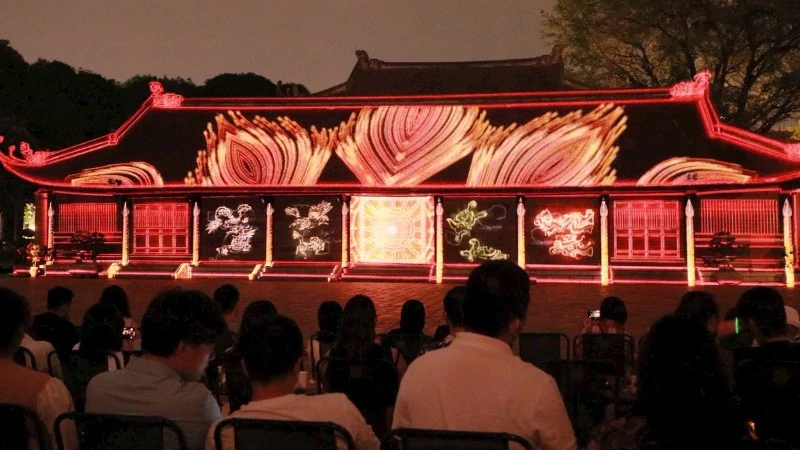
Vietnam is witnessing a rapid digital transformation in its tourism industry, with initiatives to realize smart tourism being implemented across the country. The capital, Hanoi, in particular, is showcasing advanced efforts such as the introduction of robot receptionists and the provision of experiential content utilizing augmented reality (AR) and virtual reality (VR). At the Vietnam Fine Arts Museum in Hanoi, a robot receptionist capable of handling visitor inquiries in multiple languages has been introduced. This robot provides information about exhibits and suggests optimal tour routes. Experts point out that while robots cannot completely replace human staff, their diligence and multilingual capabilities are highly effective, especially in overcoming language barriers. This is a crucial element for Vietnam as it aims to attract international tourists. Hanoi City aims to complete its digital infrastructure by 2030, positioning the capital's tourism as a vital pillar of the creative economy. In the past, initiatives such as automatic audio guides and electronic ticket sales at sites like the Temple of Literature and the Hoa Lo Prison Relic, along with promotional activities on social media platforms, have been undertaken. In recent years, AR technology and digital tourism maps have been utilized at various locations including Hanoi's Old Quarter, Bat Trang Ancient Village, and Phu Dong Temple, and night tourism has gained new appeal through events employing 3D mapping technology. However, challenges remain in the widespread adoption of smart tourism. Many tourists find it inconvenient to install multiple applications, which can be a barrier, especially for international visitors. The high dependence on international platforms like Booking.com and Agoda, due to a lack of domestic booking sites, also burdens local businesses. Dr. Nguyen Anh Tuan, Director of the Vietnam National Institute of Tourism Development, identifies data fragmentation and lagging AI adoption as "bottlenecks" in smart tourism. He advocates for the establishment of a tourism data center to standardize information, provide seamless smart tourism experiences, utilize AI for demand forecasting and marketing automation, and foster digital human resources through public-private partnerships. The data center will serve as a common data platform for AI-driven forecasting of tourist flows, market segmentation, customer sentiment analysis, and overload warnings. Hanoi is also considering the development of a 24/7 multilingual tourism assistant. The application of these advanced technologies and AI is expected to significantly enhance not only the tourist experience but also the operational and management capabilities of government agencies. Vietnam aims to establish its brand as a "Safe - Friendly - Quality - Attractive - Smart" destination through the promotion of smart tourism. Source: Nhan Dan
多角的分析
ベトナムの観光産業におけるDX推進は、経済成長の新たな牽引役となる可能性を秘めています。スマートツーリズムの導入は、観光客の満足度向上を通じてリピート率を高め、消費額の増加に繋がることが期待されます。しかし、現時点では海外プラットフォームへの依存度が高く、国内事業者の収益性が圧迫されている点は、経済的な持続可能性を検討する上で重要な課題です。データセンター構築やAI導入といったインフラ投資は、初期コストがかかるものの、長期的にはデータに基づいた効率的な観光資源の活用や、新たなビジネスモデルの創出に貢献すると考えられます。
ベトナムのスマートツーリズム分野への投資は、成長ポテンシャルが大きいと見られます。特に、AR/VR技術やAIを活用したサービスを提供するスタートアップ企業への関心が高まるでしょう。しかし、現状では国内のデジタルプラットフォームが未発達であり、海外プラットフォームへの依存が続く場合、投資リターンが限定されるリスクも存在します。データセンターの整備や、国内開発者による魅力的なアプリケーションの開発が投資環境を大きく左右すると考えられます。また、政府によるDX推進策やインフラ投資へのコミットメントは、投資家にとって重要な判断材料となります。
スマートツーリズムの進展は、観光客の体験を豊かにする一方で、デジタルデバイドや情報アクセスの格差といった社会的な課題も浮き彫りにしています。例えば、ハノイ旧市街のような歴史的地区でのAR体験は、若年層やテクノロジーに親和性の高い層には魅力的ですが、高齢者やデジタル機器に不慣れな層にとっては、かえって利用しにくいと感じられる可能性があります。また、複数のアプリのインストールを求める現状は、情報へのアクセスを困難にし、観光客のフラストレーションを高める要因となり得ます。観光客が「どこからでも」「簡単に」情報にアクセスできるような、統合的で使いやすいプラットフォームの整備が、より包括的な観光体験の提供には不可欠です。
スマートツーリズムの恩恵は、都市部やテクノロジーに精通した層に偏る傾向があります。ハノイのロボット受付やAR体験は、新しい体験を求める市民にとっては魅力的ですが、地方に住む人々や、デジタル機器の利用に慣れていない人々にとっては、恩恵が届きにくい状況が考えられます。また、観光客の増加に伴うインフラへの負荷や、地域社会との調和といった課題も、市民生活に影響を与える可能性があります。市民がスマートツーリズムの恩恵を享受し、地域経済の活性化に繋げるためには、デジタルスキルの向上支援や、地域の実情に合わせたサービス開発が求められます。
背景・歴史的文脈
ベトナムにおけるデジタルトランスフォーメーション(DX)とスマートツーリズムへの移行は、2010年代以降、政府主導で加速してきた。特に、2016年の「国家デジタル経済・サイバーセキュリティ戦略」や、2020年の「国家デジタルトランスフォーメーションプログラム」は、DXを国家発展の最優先課題の一つと位置づけている。観光分野では、2018年にベトナム政府観光総局が「スマートツーリズム開発戦略」を策定し、テクノロジーを活用した観光体験の向上を目指してきた。ハノイ市は、その中心的な役割を担い、2019年には「スマートハノイ」構想を発表し、観光を含む様々な分野でのデジタル化を推進している。しかし、データ基盤の未整備やAI活用の遅れは、これらの戦略の実現に向けた大きな課題となっている。
原文ソース
Nhan Dan