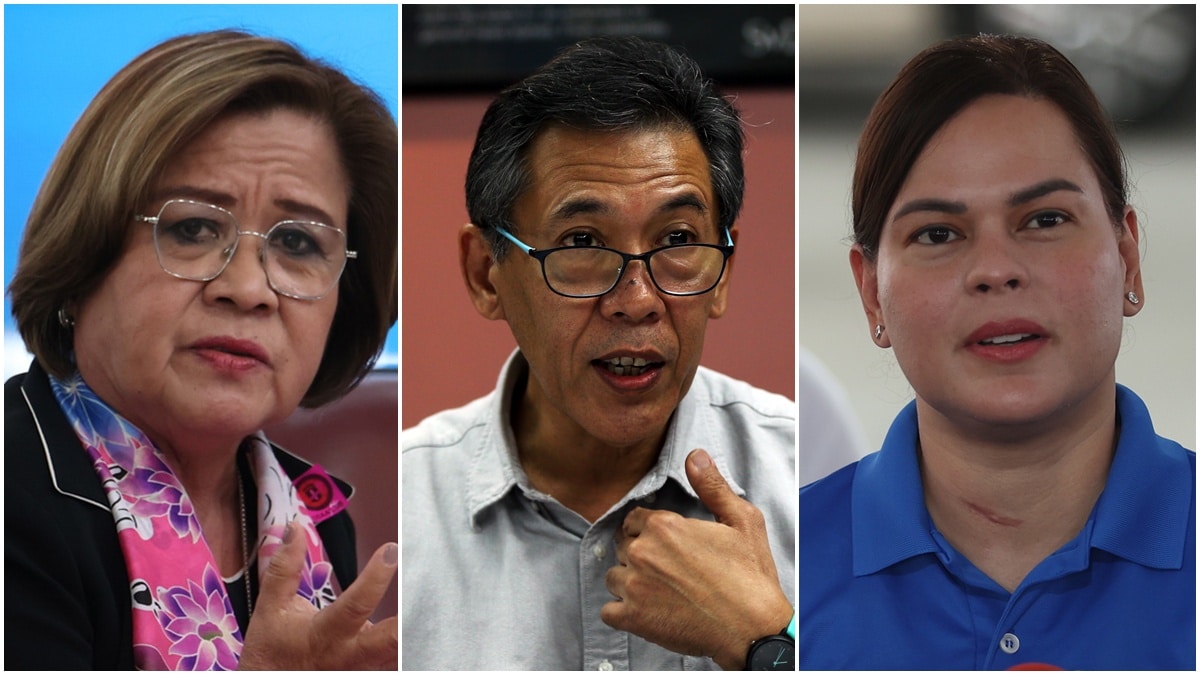
VP Sara Duterte Impeachment Trial Challenges Culture of Violence
The impeachment trial of Vice President Sara Duterte is not just about holding her accountable for alleged offenses but also a challenge to the culture of violence and impunity normalized in Philippine society, House prosecutors stated. The impact of intimidating and demeaning rhetoric from public officials on society is a key point of discussion.
House prosecutors, along with Akbayan Party-list Rep. Chel Diokno and Mamamayang Liberal Party-list Rep. Leila de Lima, asserted on Saturday that the impeachment trial of Vice President Sara Duterte transcends mere accountability for alleged offenses. It serves as a crucial opportunity to reject the pervasive culture of violence and impunity that has become normalized under the Duterte leadership. Speaking at the Saturday News Forum, the prosecutors emphasized that the impeachment proceedings offer a platform to reaffirm the expected standards for the nation’s highest public officials and to send a clear message that threats and violent rhetoric have no place in society, particularly within public service. De Lima argued that the vice president’s alleged grave threats against President Ferdinand Marcos Jr., First Lady Liza Araneta Marcos, and former House Speaker Martin Romualdez should not be viewed in isolation. Instead, she posited that they are part of a broader pattern of violent language. "This is one of the truly important points—the conduct of a very high government official, a vice president no less, exhibiting such behavior. Threatening attitudes, demeaning attitudes, demeaning conduct where you can just issue threats?" she questioned. According to De Lima, the prosecution has presented authenticated videos depicting other statements made by the vice president, including remarks about wanting to behead the president and exhume the remains of the president’s father to throw them into the West Philippine Sea. "There are related videos shown last week and authenticated by senior agent John Mark Calilung, where he said she imagined beheading the president and exhuming the president’s father’s remains to throw into the West Philippine Sea," she stated. "So the culture of violence, you know their family’s language is about violence," De Lima added. She warned that such statements, when uttered by the country’s second-highest official, risk influencing the public by making violent behavior appear acceptable. "What are those? Those evince a character of violence and which could affect society, making many imitate it, thinking it's okay to threaten, it's okay to kill. Because that's what our vice president showed," she said. Diokno echoed a similar sentiment, suggesting that the culture of violence became deeply entrenched during former President Rodrigo Duterte’s war on drugs, where thousands of killings were normalized in the public consciousness. "I think the impact was immense, especially from the war on drugs on our culture, because seeing blood on the streets became normal. It became normal for hundreds, even thousands, to be killed," he remarked. Diokno further proposed that scholars should investigate whether the normalization of violence in the language of public officials has contributed to the rise in violence in other societal sectors, including schools, where shootings and threats of violence have become an increasing concern. "And I think our sociologists and various disciplines should also study whether this has now become connected to the violence happening in our schools. Because if that is the case, then we need to address this problem immediately before it worsens," he stated. The Senate impeachment court has so far completed three trial days dedicated to Article IV of the articles of impeachment, with the prosecution presenting evidence and witnesses to substantiate its allegation that Duterte’s public statements constitute impeachable offenses, including betrayal of public trust. The presentation of three additional witnesses by the prosecution is expected to continue next week to bolster Calilung’s testimony in authenticating the videos showcasing Duterte’s violent behavior and alleged threats.
多角的分析
副大統領の弾劾裁判という政治的混乱は、フィリピン経済に対する投資家の信頼に一時的な影響を与える可能性がある。特に、公職者の言動が社会の規範に与える影響が議論されることは、法制度や統治の安定性に対する懸念を増幅させる。海外からの直接投資(FDI)は、政治的リスクの評価を重視するため、このような状況下では慎重な姿勢を取る可能性がある。過去の政治的混乱期には、ペソの変動や株式市場の低迷が見られた事例もあり、今回の裁判の長期化や激化によっては、同様の経済的影響が懸念される。
投資家は、副大統領の弾劾裁判がもたらす政治的不確実性を注視している。特に、公職者の暴力的な言辞が社会に与える影響という議論は、フィリピンの統治の安定性に対する懸念を抱かせる。過去のドゥテルテ政権下での「麻薬戦争」における人権侵害や、それに伴う国際社会からの批判は、フィリピンへの投資リスクを評価する上で重要な要素であった。今回の裁判が、法の支配や民主的規範の遵守という点で、どのようなメッセージを発するかは、長期的な投資判断に影響を与えるだろう。
副大統領の弾劾裁判は、フィリピン社会に根付く暴力と不処罰の文化に対する国民的議論を提起している。特に、公職者が発する威嚇的・侮辱的な言葉が、学校などでの暴力事件の増加に繋がる可能性が指摘されている点は、若者や教育関係者にとって深刻な懸念事項である。2016年以降の「麻薬戦争」で数千人が殺害され、その暴力性が一部で容認される風潮が生まれたことは、社会心理学的な研究対象ともなっている。今回の裁判が、こうした暴力の常態化に歯止めをかける象徴的な意味を持つかどうかが問われている。
副大統領の弾劾裁判は、マニラ首都圏の市民にとって、日々の生活における治安や、公職者への信頼感に直接的な影響を与える可能性がある。特に、公職者の暴力的な言動が社会に広がるという懸念は、子供たちの安全や教育環境への不安を増大させる。地方都市の住民からは、「政治家がこんな言葉遣いをしていて、どうやって子供たちに正しいことを教えればいいのか」という声も聞かれる。過去の「麻薬戦争」で家族や知人を失った人々にとっては、今回の裁判は、暴力の根絶と正義の実現を求める切実な機会となるだろう。
背景・歴史的文脈
フィリピンにおける「暴力の文化」は、過去のロドリゴ・ドゥテルテ政権下で顕著になった。特に、2016年から始まった「麻薬戦争」では、数千人とも言われる人々が警察や自警団によって殺害され、その暴力性が公然と正当化される風潮が生まれた。この間、公職者による威嚇的・侮辱的な言辞が頻繁に聞かれ、それが社会全体に影響を与えたと指摘されている。今回の副大統領の弾劾裁判は、こうした背景を踏まえ、公職者の言動が社会規範に与える影響や、暴力の常態化に対する国民の意識を問うものとなっている。
原文ソース
Inquirer NewsInfo