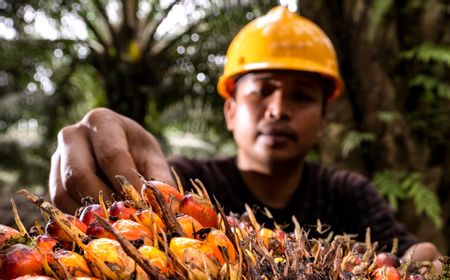
Indonesia to Promote Circular Economy Through Palm Oil Biomass Utilization
Infrastructure
2026年7月17日
5
VOI English
Relations
🇮🇩Indonesia🇪🇺European Union

Indonesia to Promote Circular Economy Through Palm Oil Biomass Utilization

AI サマリー

Indonesia plans to leverage its vast palm oil plantations, covering 16.83 million hectares and yielding 261.7 million tons of biomass annually, to drive a circular economy. The initiative aims to add value to waste and create new industries, though challenges in technology, market, and regulations persist.

Indonesia is strengthening the implementation of a circular economy to address various challenges in the national palm oil industry, spanning economic, environmental, and social aspects. Professor Hariyadi from the Faculty of Agriculture at IPB University highlights optimizing palm biomass, including fronds, stems, empty fruit bunches (TKKS), shells, fibers, and palm oil mill effluent (POME), as a key strategy. Applying a circular economy to palm biomass can generate added value of up to 8-9 times. With 16.83 million hectares of oil palm plantations, Indonesia is the world's largest producer, with the potential to produce 261.7 million tons of dry matter biomass annually. This potential is seen as crucial for sustainable palm oil management. The potential uses for palm biomass are diverse, ranging from raw materials for compost and organic fertilizers, fuel for biomass power plants, to components in cement and construction mixtures. The annual production potential of 261.7 million tons positions palm biomass as a pillar for national renewable energy development, supporting energy security and creating new economic opportunities in downstream industries. Specifically, these opportunities include developing downstream industries around production centers, creating a natural fiber-based building materials industry, providing renewable energy sources for the grid or industrial use, and achieving methane emission reductions and carbon credit acquisition. The optimization of palm oil waste is expected to create new economic value. However, challenges remain in implementing the circular economy, including high initial investment, limitations in waste utilization technology, and high logistics and distribution costs. Furthermore, the market for palm oil derivatives is not yet robust, and regulatory and incentive support is insufficient. To address these challenges, the Plantation Fund Management Agency (BPDP) is actively promoting downstream industries, empowering Micro, Small, and Medium Enterprises (MSMEs), and supporting research and development related to circular economy implementation. Siti Nikmatin, a lecturer and researcher at the IPB University Palm Oil Study Center, emphasizes BPDP's significant role in encouraging research for the advancement of the palm oil industry in Indonesia. Nikmatin asserts that the implementation of a circular economy model in the palm oil industry will positively impact both the environment and the economy. Derivative products based on palm oil waste can support environmental sustainability while generating economic value. Moreover, the circular economy has the potential for positive social impact, by involving local communities around factories or plantations in processing waste into value-added products. BPDP's support for innovative research for the advancement of Indonesian palm oil is already evidenced. Source: VOI English

多角的分析

経済的影響

インドネシアのパーム油バイオマスは、年間2億6170万トンという膨大な量に達し、循環経済への移行は経済成長の新たなフロンティアを開拓する可能性を秘めています。付加価値の8~9倍向上という試算は、廃棄物から高収益を生み出すポテンシャルを示唆しています。特に、再生可能エネルギー源としての活用や、建材産業への展開は、国内産業の多角化とエネルギー自給率向上に寄与するでしょう。しかし、初期投資の高さや技術開発の遅れ、そして国内市場の未成熟さが、このポテンシャルを最大限に引き出す上での経済的障壁となっています。過去、インドネシアの多くの資源開発プロジェクトが、技術移転や国内産業育成の遅れにより、期待された経済効果を十分に上げられなかった事例を考慮すると、バイオマス産業の育成においても、政府による戦略的な支援と国際協力が不可欠です。

投資家心理

インドネシアのパーム油バイオマス分野は、再生可能エネルギーへの世界的な関心の高まりと、循環経済への移行というメガトレンドに合致しており、投資家にとって魅力的な機会となり得ます。年間2億6170万トンという供給ポテンシャルは、大規模な事業展開を可能にします。しかし、投資家が直面するリスクは、技術開発の不確実性、規制の不備、そして市場の未成熟さです。特に、バイオマス発電の電力購入価格や、建材としての需要が安定しない場合、投資回収は困難になる可能性があります。過去、インドネシアの再生可能エネルギー分野では、政策の不安定さやインフラ整備の遅れが投資を抑制してきた経緯があります。したがって、投資判断においては、政府の長期的な政策支援、技術パートナーシップ、そして市場開拓への具体的なロードマップが重要となります。

社会的影響

パーム油バイオマスを循環経済で活用する取り組みは、地域社会に新たな雇用機会と経済的恩恵をもたらす可能性があります。工場やプランテーション周辺の住民が、廃棄物処理や加工プロセスに関わることで、収入源の多様化が期待できます。また、環境負荷の低減は、地域住民の生活環境の改善にも繋がるでしょう。しかし、この取り組みが成功するためには、地域住民への技術教育や、彼らが事業プロセスに円滑に参加できるような仕組み作りが不可欠です。過去、パーム油産業の拡大が地域社会との軋轢を生んだ事例もあるため、今回のバイオマス活用が、地域住民の生活向上に真に貢献するためには、包摂的なアプローチが求められます。例えば、バイオマス加工品の販売網構築において、地域住民が運営する小規模事業者を支援するなどの具体的な施策が考えられます。

市民の声

パーム油バイオマスを循環経済で活用する政策は、国民、特にパーム油産業に関わる地域住民にとっては、新たな収入源や雇用の創出という点で期待が持てます。廃棄物が価値ある製品に生まれ変わることで、環境負荷の低減にも繋がり、より持続可能な社会の実現に貢献する可能性があります。しかし、現状では、技術的な課題や市場の不確実性、そして高額な初期投資が、この取り組みの本格的な展開を阻んでいます。国民生活への直接的な影響としては、バイオマス由来の再生可能エネルギーが普及すれば、エネルギーコストの安定化や、よりクリーンなエネルギーへのアクセス向上に繋がる可能性があります。一方で、これらの恩恵が広く行き渡るまでには、政府の強力なリーダーシップと、国民が実感できるような具体的な成果が求められます。

背景・歴史的文脈

インドネシアは世界最大のパーム油生産国であり、その広大なプランテーションは経済的恩恵をもたらす一方で、森林破壊や環境問題の温床ともされてきました。特に、パーム油産業から排出される大量の廃棄物(バイオマス)は、メタンガス発生源となり、環境負荷を高める要因の一つです。近年、持続可能な開発目標(SDGs)への関心の高まりや、欧州連合(EU)などの国際的な規制強化を受け、インドネシア政府はパーム油産業の持続可能性向上と、廃棄物の有効活用による循環経済への移行を模索し始めています。2010年代以降、IPB大学などの研究機関がパーム油バイオマスの利用可能性に関する研究を進め、その経済的・環境的ポテンシャルが示されてきました。今回の発表は、こうした背景を踏まえ、具体的な政策として循環経済推進を打ち出したものです。

原文ソース

VOI English

原文を読む