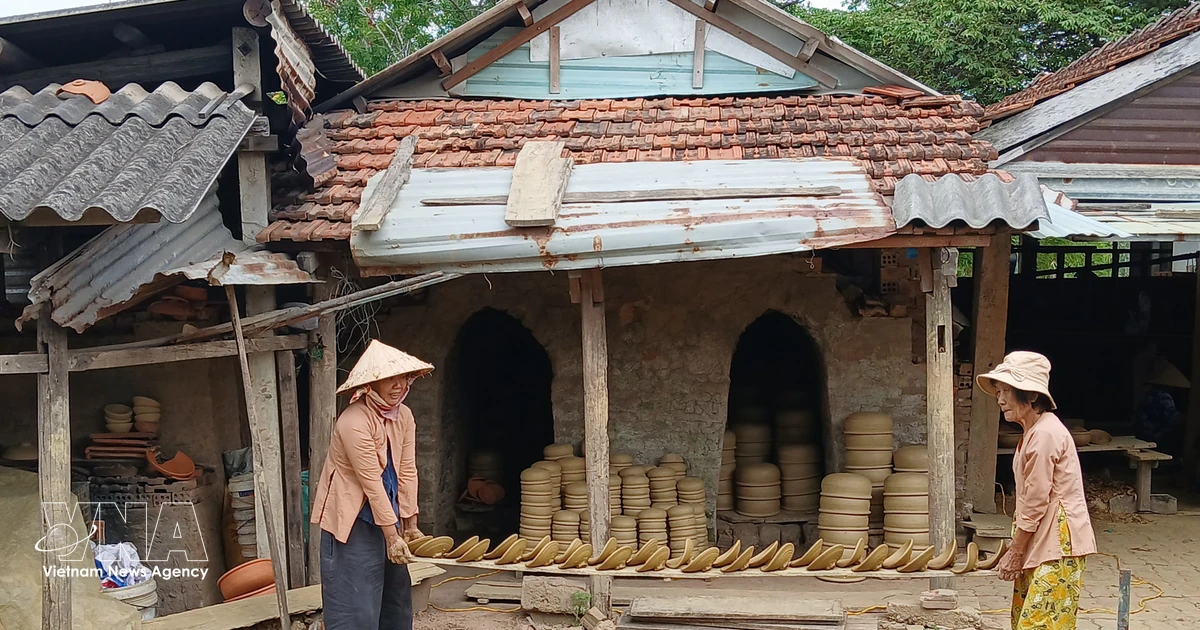
Vietnam Boosts Tourism Through Centuries-Old Craft Villages
Vietnam is revitalizing tourism by highlighting its ancient craft villages, attracting a growing number of domestic and international visitors. Da Nang's Cam Thanh coconut village is a prime example, with the city implementing a strategy of infrastructure development and product diversification to become a premier Asian destination.
Vietnam is actively promoting its traditional craft villages, rich in history and culture, as key tourism attractions to draw more domestic and international visitors. In the central coastal city of Da Nang, villages like Cam Thanh coconut village are gaining significant attention. Cam Thanh was recognized as one of the '50 Most Beautiful Villages in the World in 2025' and now attracts between 6,000 and 7,000 visitors daily. Da Nang appeals to visitors through its unique combination of beach holidays, cultural heritage experiences, entertainment, cuisine, and convenient transport links. To solidify its position as a premier Asian tourism destination, the city has outlined a comprehensive development strategy focusing on both infrastructure enhancement and product diversification. Vietnam's overall tourism performance shows strong momentum. In June alone, the country welcomed approximately 1.7 million international visitors, a 14.7% increase compared to the same month last year, despite June traditionally being part of the low travel season. This growth stands out as a bright spot for Vietnam's tourism industry amidst global challenges such as geopolitical tensions, armed conflicts, slowing economic growth, rising oil prices, and increased travel costs. According to Nguyen Trung Khanh, Director General of the Vietnam National Authority of Tourism (VNAT), independent travel (FIT) has emerged as a defining trend in post-pandemic tourism. Travelers increasingly seek flexibility, personalized experiences, and authentic cultural engagement, compelling destinations worldwide to re-evaluate their tourism products, services, and marketing strategies. In this context, Vietnam's culinary diversity, fresh ingredients, and refined cooking techniques elevate its cuisine far beyond iconic dishes like pho and spring rolls, making it a memorable attraction for international visitors. With strong growth momentum, strategic investments in quality tourism, upgraded infrastructure, and increasingly diversified source markets, Vietnam is steadily reinforcing its position as one of Southeast Asia's most dynamic and promising tourism destinations. Phu Quoc Island, for instance, has seen a remarkable surge in visitors, growing from around 1.45 million in 2016 to over 8.1 million in 2025. Indian arrivals to Vietnam have also risen sharply, from about 100,000 before 2016 to 750,000 in 2025, a 4.5-fold increase compared to 2019, driven by expanding direct air routes. Vietnam is becoming one of the most sought-after international destinations for Indian travelers seeking value and unforgettable experiences, owing to its affordable hotels, direct flights, easy visa policies, and breathtaking landscapes. Source: VietnamPlus English
多角的分析
ベトナムの観光産業は、パンデミックからの回復期において、経済成長の重要な牽引役となっている。特に、伝統工芸村のようなユニークな文化体験への投資は、高付加価値観光を促進し、地域経済への波及効果を高める。インフラ整備とサービス品質の向上は、国際的な競争力を強化し、外貨獲得に貢献する。しかし、グローバル経済の不確実性やインフレ圧力は、旅行コストの上昇を通じて需要に影響を与える可能性も考慮する必要がある。
ベトナムの観光セクターへの投資は、高い成長ポテンシャルを秘めている。特に、文化遺産や体験型観光に焦点を当てたプロジェクトは、ユニークな付加価値を提供できる。航空会社やホテルチェーン、レジャー施設運営会社などは、増加する観光客数と所得水準の上昇から恩恵を受けると予想される。ただし、インフラ開発の遅延や規制変更のリスクは常に存在するため、慎重なデューデリジェンスが求められる。
伝統工芸村の活性化は、地域社会の雇用創出と文化遺産の保存に貢献する。カモ・タイン・ココナッツ村のような事例は、地域住民が観光収入を得る機会を提供し、伝統的な生活様式と現代の観光ニーズとの調和を図る。一方で、観光客の増加は、地域住民の生活環境への影響や、文化の商業化といった課題も生じさせる可能性がある。持続可能な観光開発のためには、地域社会との連携と、文化資源の保護が不可欠である。
ベトナム市民にとって、国内の観光資源の充実と国際的な評価の高まりは、自国の文化への誇りを高める機会となる。特に、都市部から離れた地域にある工芸村へのアクセス改善や、多様な体験プログラムの提供は、国内旅行の魅力を増す。また、外国人観光客の増加は、地域経済の活性化を通じて、雇用機会の拡大や生活水準の向上につながる可能性がある。ただし、観光客の集中による混雑や物価上昇は、地域住民の日常生活に影響を与えることも考えられる。
背景・歴史的文脈
ベトナムの観光産業は、ドイモイ(刷新)政策以降、市場経済化の進展とともに発展してきた。特に、2000年代以降、政府は観光を重点産業と位置づけ、インフラ投資やプロモーション活動を強化してきた。近年では、パンデミックからの回復期において、国内旅行の促進と外国人観光客の誘致に注力している。伝統工芸村の活用は、単なる観光資源開発にとどまらず、ベトナムの文化的多様性と歴史的遺産を国際社会にアピールし、国家ブランドを高める戦略の一環である。これは、政治的安定と経済成長を両立させるベトナムの一党体制下での、ソフトパワー外交の一側面とも言える。
原文ソース
VietnamPlus English