General articles are free for 24 hours after publish.
Bandung City's Dual Administration Fuels Waste Problem, Contradicts Digitalization Efforts
Bandung City Council in Indonesia has highlighted that the mandatory submission of administrative documents in both hardcopy and softcopy contradicts the city's waste reduction goals and digitalization drive. This practice leads to resource wastage and reduced bureaucratic efficiency.
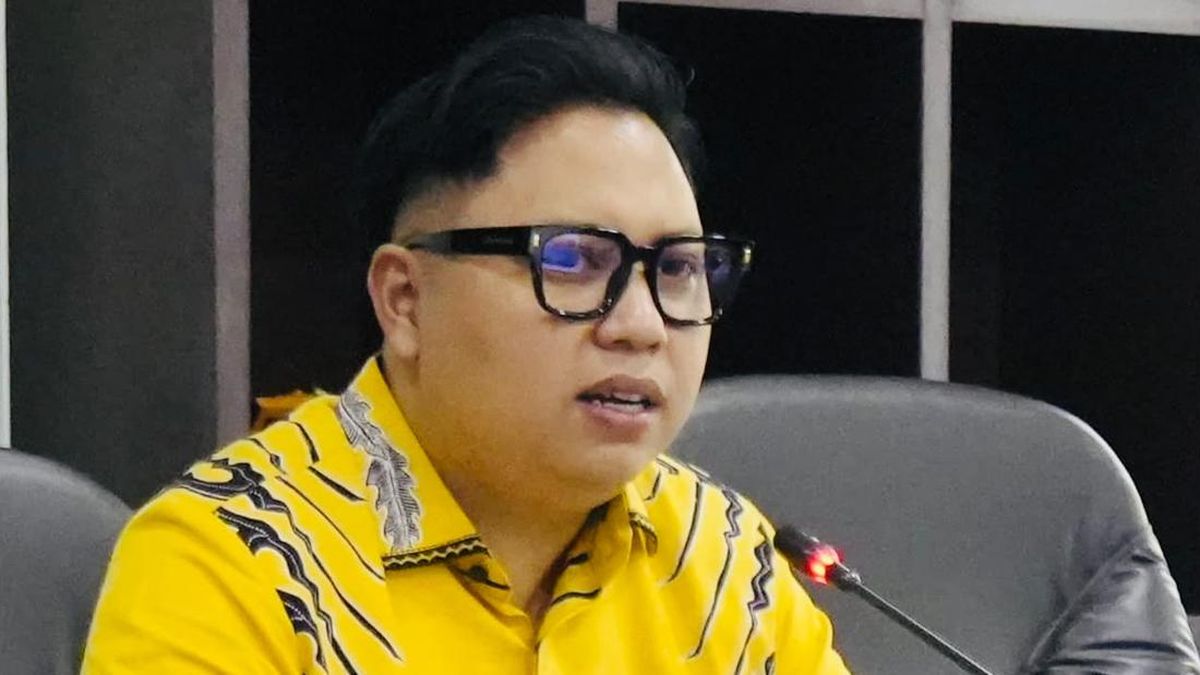
The Bandung City Council (DPRD) Commission I has raised concerns regarding the ongoing requirement for administrative processes to be submitted in both softcopy and hardcopy formats. While the Bandung City Government is striving to tackle its waste management issues, this dual administrative policy is seen as contradictory to the spirit of bureaucratic efficiency, digital transformation, and the waste reduction commitments being actively promoted. Bandung City is currently facing significant challenges in waste management, aiming to reduce waste generation by up to 250 tons per day through source reduction and strengthening waste processing systems at the local level. Furthermore, the Bandung City Waste Management System Master Plan for 2024-2043 emphasizes the vision of achieving a 'Waste-Free Bandung City' with a sustainable economic system, notably through the principles of reduce, reuse, and recycle (3R). However, practices persist in various government agencies within Bandung where documents are required to be submitted in digital form and then printed as hard copies. This situation leads to increased usage of paper, printer ink, folders, and other administrative supplies without providing significant added value to the service process. Radea Respati, Chairman of Commission I, explained that if a document already possesses legal validity through electronic signatures, digital correspondence systems, or electronic archives, then printing the same document should not be mandatory. "The use of hardcopy should be limited only to specific documents explicitly required by statutory provisions," Respati stated in an official release. In addition to increasing paper waste, the simultaneous use of two document formats also results in budgetary waste and increased energy consumption, which is inconsistent with the principles of modern bureaucracy that prioritize effectiveness, efficiency, and environmental sustainability. Respati added that the use of paper documents also hinders Bandung's progress towards becoming a smart city by impeding efficiency, limiting data integration, and contradicting sustainability principles. Bandung City Regional Regulation No. 9 of 2018 concerning Waste Management mandates the importance of waste reduction at the source. Therefore, the local government is called upon to set an example through administrative governance that is consistent with established environmental policies. Respati believes that the award given by the Governor of West Java to the Mayor of Bandung as the city with leadership and commitment in waste management is inappropriate. He argues that besides having unsubstantiated indicators, the reality of numerous paper documents still being used within the Bandung City Government is a form of poor waste governance. Radea Respati further explained that in the future, an evaluation of all administrative procedures within the Bandung City Government is necessary to eliminate the mandatory simultaneous use of softcopy and hardcopy, and to build a new culture of confirming before printing. "Digitalization of administration must be fully realized, not just by moving documents to electronic formats while maintaining an excessive printing culture," he concluded. The simple step of removing the mandatory printing of documents already available digitally is believed to have a tangible impact on reducing paper consumption, improving government budget efficiency, and supporting Bandung City's vision of becoming a more environmentally friendly, modern, and sustainable city. Source: CNN Indonesia
Original source
CNN Indonesia