General articles are free for 24 hours after publish.
Reading Ecosystems Through Insects: Ecotourism Development in Indonesian National Park
Ecotourism development and ecosystem conservation are being advanced in Indonesia's Gunung Gede Pangrango National Park through insect ecological surveys. EIGER Nature has discovered over 70 insect species in a 253.6-hectare area, with 43 species having undetermined conservation status.
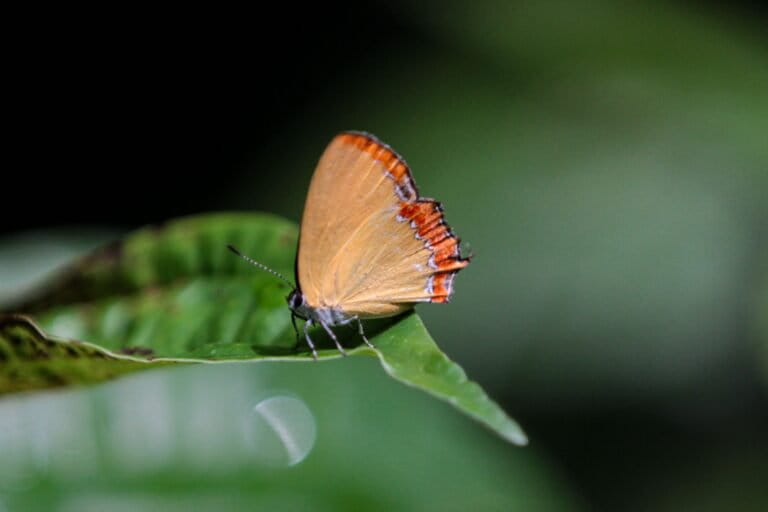
Insect ecological surveys are becoming key to regional ecosystem conservation and ecotourism development in the utilization zone of Gunung Gede Pangrango National Park (TNGGP) in Indonesia. Caesar Adhitya, 27, an ecology staff member for EIGER Nature, has been surveying insect populations at 64 observation points for over two years, contributing to biodiversity data collection in the area. The research is being conducted in a region being developed for special interest ecotourism. EIGER Nature holds a permit for the provision of natural tourism services (IUPJWA) across 253.6 hectares within the TNGGP utilization zone. According to Caesar, over 70 insect species have been discovered as of 2025, with 43 of these species having undetermined conservation statuses. Other species categorized as Least Concern (LC) and Data Deficient (DD) have also been recorded. Notable findings include the blue-spotted damselfly (Rhinocypha heterostigma), endemic to Java and listed as Near Threatened, the damselfly Drepanosticta sundana, and the butterfly Troides helena, which is included in Appendix II of CITES. Caesar emphasizes the importance of insects in understanding interspecies relationships. Insects play crucial roles in pollination, food webs, and processes that affect soil quality. This monitoring data is collected repeatedly across rainy and dry seasons to assess changes in environmental quality and the potential impacts of human activities, forming a valid database for evaluation. This initiative represents a progressive example of advancing sustainable tourism development while conserving Indonesia's vast natural heritage. It also holds potential for improving local livelihoods and fostering environmental education.
Original source
Mongabay Indonesia