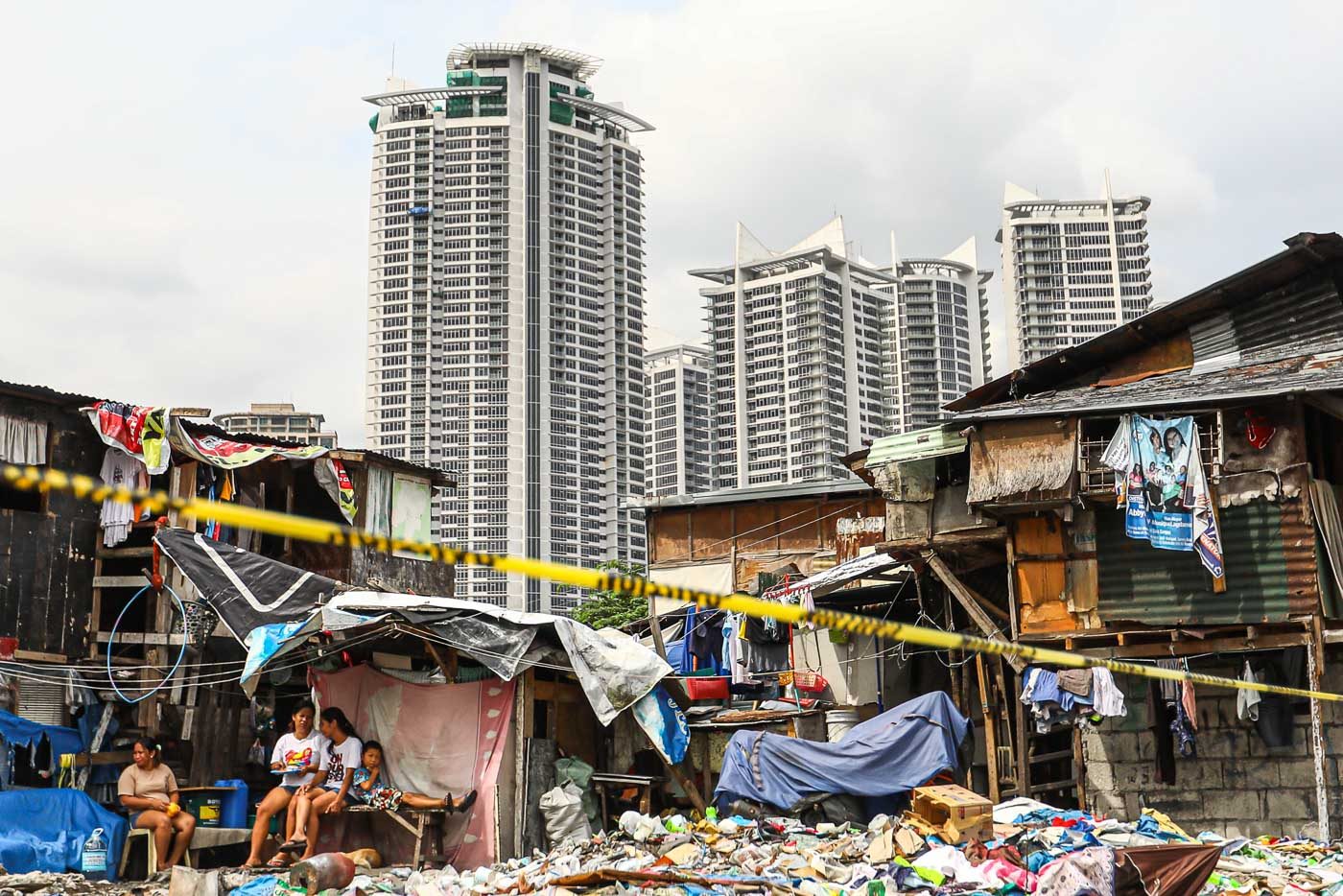
Philippines' Upper-Middle Income Status Masks Widespread Economic Hardship, IBON Warns
Despite the Philippines' reclassification as an upper-middle-income country, the IBON Foundation argues this status is a statistical anomaly detached from the daily struggles of millions. The think tank highlights deep-seated issues in employment, inequality, and the decline of domestic industries, urging for policies that improve the lives of ordinary Filipinos.
This article requires PRO
This article is outside the free access window or is a special report. PRO unlocks it and the full archive.
Related articles
- UST suspends 4 student activists over PAF exhibit incident
Human rights group Karapatan slammed the University of Santo Tomas (UST) for suspending four student activists for four years following a protest against a Philippine Air Force (PAF) exhibit. The group argues the suspension violates students' rights to free expression and peaceful assembly.
- Philippines, ILO Finalize 5-Year Migration Workplan
The Philippines' Department of Migrant Workers (DMW) has finalized a five-year labor migration program with the International Labour Organization (ILO), the TRIANGLE Partnerships 2026-2027 Workplan, aiming to enhance support for Filipino migrant workers and their families.
- Rights advocate slams defense warning in Sara Duterte trial
A human rights advocate has denounced the defense panel in Vice President Sara Duterte's impeachment trial for its warnings of criminal liability, labeling it an "assault on press freedom." This highlights concerns over freedom of expression and judicial transparency in the Philippines.
- El Niño Triggers State of Calamity in 106 Philippine Areas, Affecting Over 388,000
El Niño has prompted a state of calamity in 106 cities and municipalities across the Philippines, impacting over 388,000 people. Cagayan province is severely affected with 66 areas declared under calamity, raising concerns for agriculture and water resources.