General articles are free for 24 hours after publish.
Philippine Peso Hits Record Low Amid Strong Dollar, Political Jitters
The Philippine peso hit a fresh all-time low against the US dollar, battered by a strong greenback and domestic political uncertainty. Despite easing inflation, the currency remains vulnerable to global market forces.
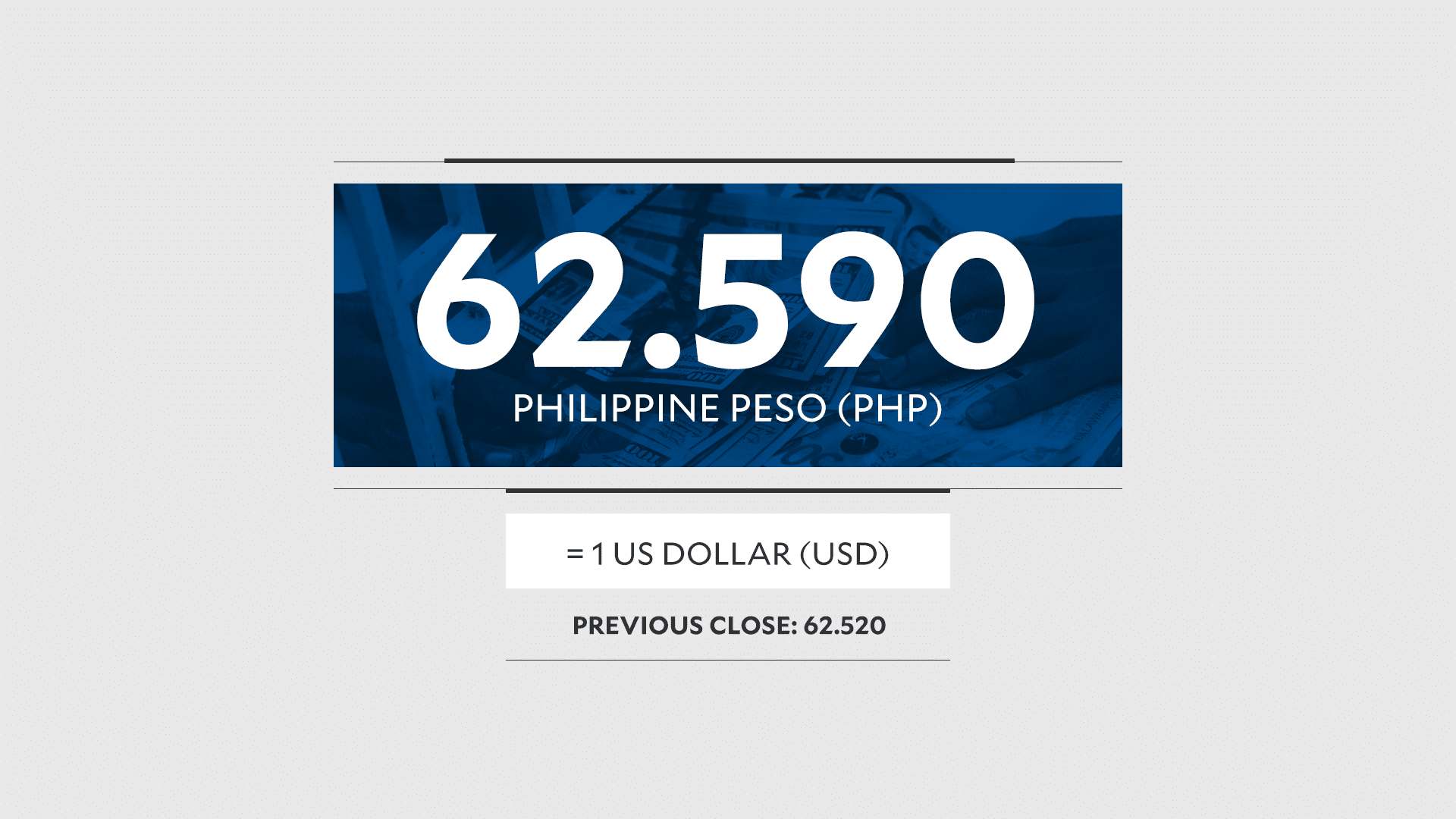
The Philippine peso tumbled to a fresh all-time low on Friday, weighed down by a stronger US dollar and rising US Treasury yields, coupled with domestic political uncertainty. The peso lost 7 centavos from its previous close to end at 62.59 per dollar, its weakest finish on record. It touched an intraday low of 62.65 before paring the decline. This currency depreciation occurred even after data showed Philippine inflation eased slightly in August, underscoring the peso’s vulnerability to global market forces. The Philippine economy is sensitive to exchange rate fluctuations, with remittances from overseas Filipino workers (OFWs) forming a significant portion of its GDP. While a weaker peso can increase the dollar value of remittances, it also raises the cost of imports, potentially fueling domestic inflationary pressures. Political uncertainty can dampen the appetite for both foreign direct investment (FDI) and domestic investment. Investors tend to adopt a risk-averse stance when policy stability and future outlook are unclear. Geopolitical tensions, particularly concerning the South China Sea, can also indirectly influence investor sentiment. Security concerns in the region can be perceived as a risk to economic activity's stability. In terms of relations with Japan, the exchange rate is a crucial factor for direct investment and trade with the Philippines. A weaker peso can affect the business costs for Japanese companies operating in the Philippines, although it might also benefit Philippine exports. Information Source: Inquirer Business
Original source
Inquirer Business