Chiang Rai Walking Street: A Local Celebration of Food and Culture
Culture
2026年7月5日
5
Chiang Rai Times

Chiang Rai Walking Street: A Local Celebration of Food and Culture

AI サマリー

Chiang Rai Walking Street offers a vibrant local experience with stalls run by residents, featuring authentic Northern Thai cuisine, handmade crafts, and live performances. It distinguishes itself from larger tourist markets with its warm, community-focused atmosphere.

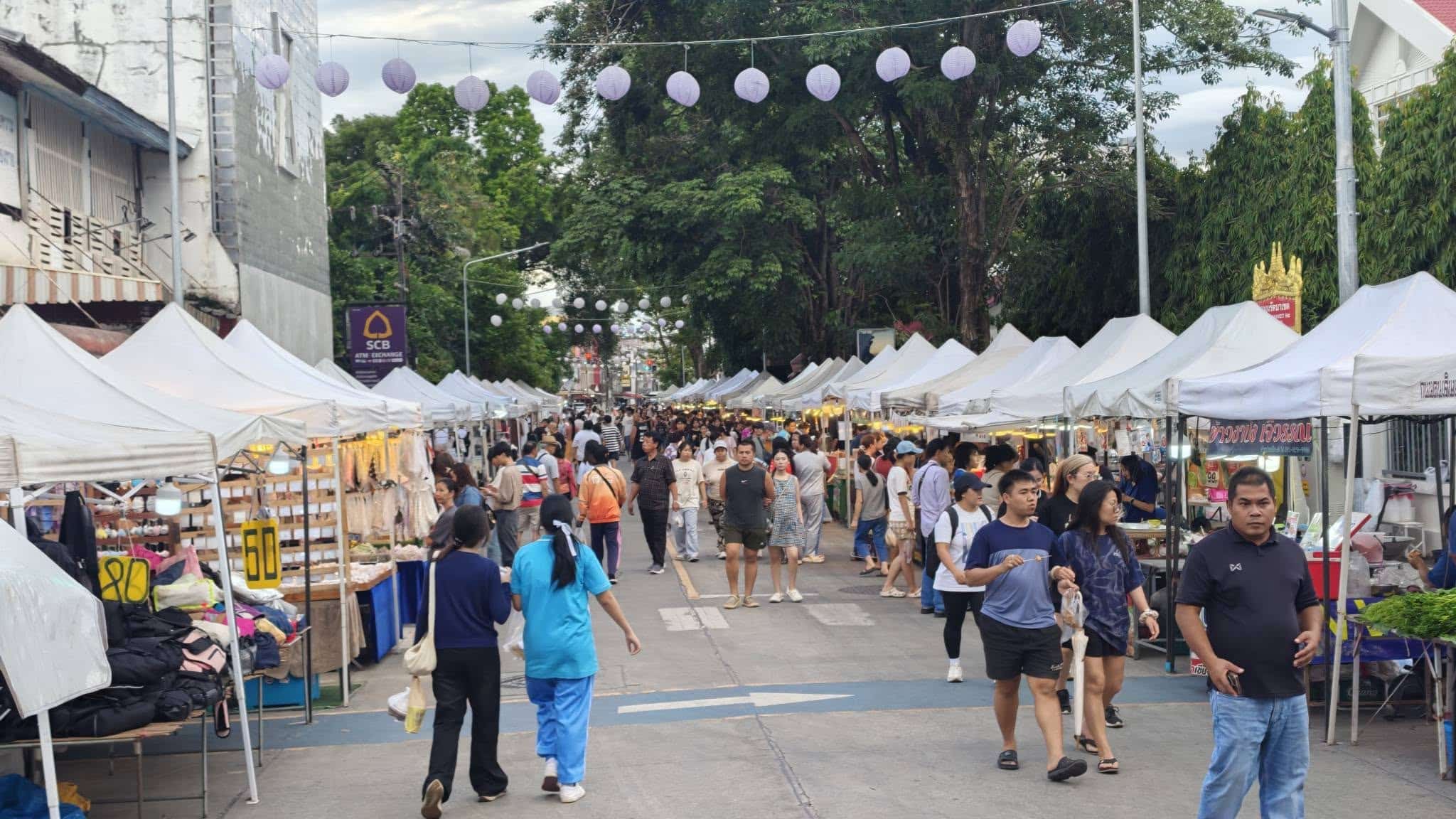
As the sun drops over Chiang Rai, Chiang Rai Walking Street fills with the smell of grilled snacks, the sound of live music, and rows of stalls that feel far more local than the bigger tourist markets in Thailand. Visitors come here for street food, handmade goods, performances, and a chance to spend money with vendors who actually live and work in the city. The market has a warm northern feel that makes it easy to slow down and wander. You can snack, shop, and watch the evening unfold at your own pace, whether you’re after a quick browse or a full night out. Chiang Rai Walking Street has a personality that bigger night markets often miss. It feels lived-in, not staged, with familiar vendors, a steady local crowd, and a pace that lets you actually enjoy the evening instead of rushing through it. The mix of sizzling food, handmade goods, and informal performances gives the street a friendly rhythm that feels tied to the city itself. What makes the market stand out is its neighborhood spirit. Many stalls are run by local families and regular vendors, so the street feels personal instead of polished for tourists. You see people greeting one another, kids lingering near food stands, and shoppers who clearly come here every week. That local mix changes the whole experience. Instead of feeling like a place built only for visitors, Chiang Rai Walking Street feels like a community gathering with room for everyone. The sounds and smells add to that feeling. You hear live music, vendors calling out menu items, and the steady hiss of grills. Meanwhile, the air carries smoke from skewers, fresh herbs, and sweet desserts, which makes the walk feel warm and immediate. The charm here comes from how ordinary it feels in the best way, like a real evening routine that happens to welcome visitors. Chiang Rai Walking Street starts in the late afternoon, but the atmosphere gets best around early evening. Arriving around 5:00 or 5:30 PM gives you a calmer walk, better photo light, and the widest choice of food before popular items sell out. By then, the stalls are fully set up, but the thickest crowd usually has not arrived yet. That timing matters if you like to browse without pressure. You can look at crafts, pick a snack, and find a seat before the walk turns busier and more compact. Then, as the sky darkens, the market shifts into its livelier mode and the whole street feels more animated. For a visual anchor, this is also when the colors show best. Lantern glow, grill smoke, and the last bit of daylight make the market easier to photograph than it is later at night. If you want the full evening atmosphere without the squeeze, early arrival is the sweet spot. Compared with the Chiang Rai Night Bazaar guide, Chiang Rai Walking Street feels more local and less commercial. The Night Bazaar is convenient and lively, but the Saturday walking street has a stronger community feel, with more emphasis on street food, handmade goods, and casual wandering. It also differs from the Sunday markets in town. Sunday spots in Chiang Rai can feel smaller and quieter, while the Saturday walking street has a broader spread of stalls and a more complete evening scene. You get a better balance of food, shopping, and culture in one place, which is part of the appeal. If you only have one night to choose, Saturday is the stronger all-around experience. It gives you the most complete version of Chiang Rai after dark, with local flavor, open-air energy, and enough variety to keep you moving slowly from one stop to the next. Food is the easiest way to read Chiang Rai Walking Street. The stalls are arranged like a loose trail, and once you follow the smoke, you find the busiest cooking spots fast. Start with the savory dishes, then circle back for something sweet and a cold drink to end the night. The market works best when you move slowly and sample as you go. One stall might handle noodles, another grilled meat, and another desserts or fruit drinks, so there’s no need to commit to one big meal. Northern Thai food at Chiang Rai Walking Street is rich, salty, smoky, and easy to like. The flavors stay familiar enough for first-timers, but they still carry that local edge you come to Thailand for. Think of each stall as a small stop on a tasting route. Start with grilled skewers. Chicken, pork, fish balls, and seafood all show up here, usually brushed with a light, savory marinade and cooked over hot charcoal. The result is tender inside, a little charred outside, and perfect with sticky rice. A few other items are worth trying early in the evening: If you want something classic, order a noodle plate and a skewer, then add a dessert later. That combination gives you texture, heat, and a little sweetness without making the night feel rushed. The barbecue lane is one of the strongest parts of Chiang Rai Walking Street, especially after dark. It pulls people in before they even decide what they want to eat. The smell of grilling meat, fish, and seafood hangs in the air and acts like a signpost. That smoke does more than make you hungry. It shapes the whole pace of the market, because people drift toward the grills, pause, order, and then move on with a snack in hand. You can usually spot the busiest stalls by the glow of the coals and the line of locals waiting nearby. Grilled seafood is a big draw here, along with satay and other marinated skewers. The food tastes best fresh off the fire, so if you see something turning golden over the flames, stop and order it then. The street food scene in Northern Thailand shows the same pattern across the region, and Chiang Rai’s version feels especially easy to navigate because the scent leads you straight to the action. Chiang Rai Walking Street works well for different diets, but a little scanning helps. Some stalls are clearly marked halal, vegan, or gluten-free, and those signs make ordering much easier. If a menu looks unclear, ask the vendor directly, since many people can point you toward the right dish right away. When in doubt, choose simple items with fewer ingredients. Rice dishes, plain noodles, grilled vegetables, fruit drinks, and coconut desserts are often the safest place to start. You can also look for tofu, egg-free noodle options, or vegetable stir-fries cooked without fish sauce. A few practical habits make the night smoother: That approach keeps the meal relaxed instead of stressful. You still get the market atmosphere, and you can eat with confidence while the grills, desserts, and drin Source: Chiang Rai Times

多角的分析

経済的影響

チェンライ・ウォーキングストリートは、地域経済の活性化に貢献する重要なプラットフォームである。地元業者が中心となることで、収益が地域内に留まりやすく、小規模事業者の育成にも繋がる。観光客だけでなく地元住民も頻繁に訪れることから、安定した消費が見込まれ、地域経済の持続可能性を高めていると言える。

投資家心理

この市場は、直接的な大規模投資の対象というよりは、地域経済の安定性を示す指標として捉えられる。地元の職人や小規模事業者が中心であるため、伝統的な投資対象とは異なるが、地域経済への信頼感を高め、間接的にチェンライ地域への投資魅力を向上させる可能性がある。

社会的影響

ウォーキングストリートは、地域住民の交流の場として機能している。家族連れや友人同士が訪れ、互いに挨拶を交わす様子は、地域社会の連帯感を示唆している。また、多様な食文化や手作り品は、地元のアイデンティティを育み、地域住民の誇りとなっている。観光客にとっても、地元の生活を垣間見ることができる貴重な機会となっている。

市民の声

チェンライ市民にとって、ウォーキングストリートは週末の楽しみであり、日常の延長線上にある場所だ。高価なレストランや観光地とは異なり、手頃な価格で美味しい食事や地元の特産品を楽しめる。また、地域住民同士が顔を合わせ、情報交換をする場としても機能しており、地域社会の絆を強める役割を果たしている。

背景・歴史的文脈

チェンライ・ウォーキングストリートは、タイの地方都市における観光振興と地域経済活性化の取り組みの一環として位置づけられる。特に近年、タイ政府は観光客の分散化と地方経済の強化を推進しており、チェンライのような都市では、ナイトバザールとは異なる、より地域住民に根差した市場の育成が図られている。これは、単なる観光客向けの消費の場ではなく、地元コミュニティの生活文化を体験できる場としての価値を高めることで、持続可能な観光を目指す動きの一環である。

原文ソース

Chiang Rai Times

原文を読む