Cambodia Marks First Anniversary of UNESCO Listing of Genocide Memorial Sites
Culture
2026年7月13日
3
Kampuchea Thmey English

Cambodia Marks First Anniversary of UNESCO Listing of Genocide Memorial Sites

AI サマリー

Cambodia marked the first anniversary of the inscription of its genocide memorial sites, including the Tuol Sleng Genocide Museum and Choeung Ek Genocidal Center, on the UNESCO World Heritage List. Prime Minister Hun Manet hailed the recognition as a symbol of remembrance, reconciliation, and peace.

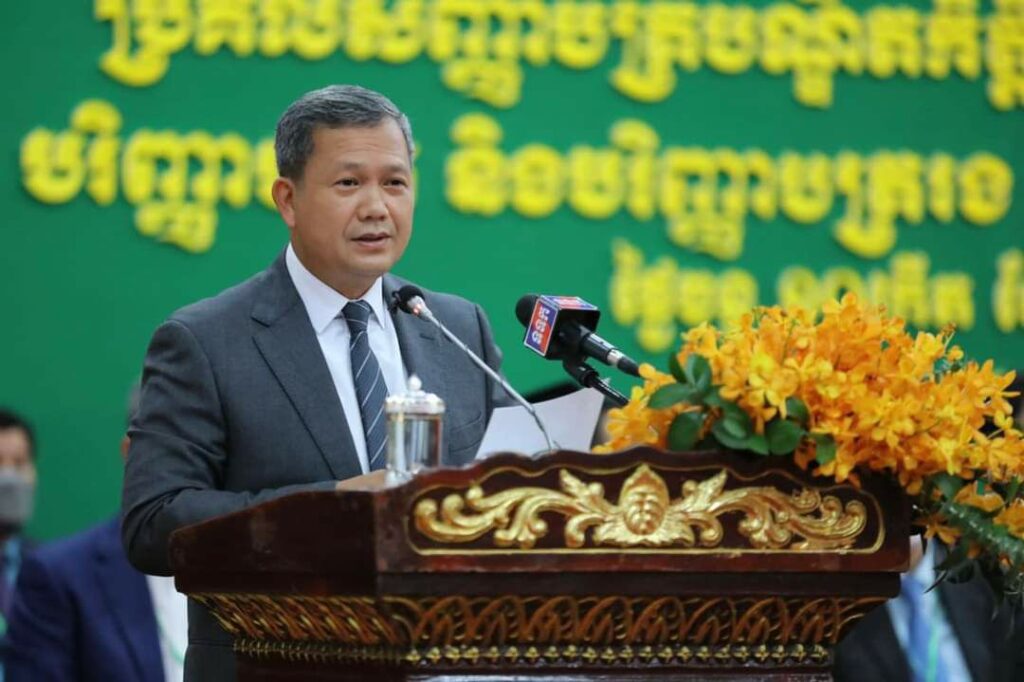
PHNOM PENH, July 13, 2026 (KPT) – Cambodia has marked the first anniversary of the inscription of its genocide memorial sites on the UNESCO World Heritage List, with Prime Minister Samdech Thipadei Hun Manet describing the recognition as a symbol of remembrance, reconciliation and peace. In a message issued on July 11, Samdech Thipadei congratulated citizens and religious leaders on the listing of “Cambodia’s Memorial Sites: From Sites of Crime to Places of Reconciliation and Peace”, approved during the 47th session of the UNESCO World Heritage Committee in New Delhi in 2025. The inscription covers the former Security Prison S‑21, now the Tuol Sleng Genocide Museum, and the Choeung Ek Genocidal Center, which preserve evidence of atrocities committed under the Khmer Rouge. Samdech Thipadei Hun Manet said the recognition contributes to global efforts to preserve historical memory, educate future generations and promote peace. He attributed the achievement to Cambodia’s long‑term reconciliation efforts, citing the Win‑Win Policy as key to bringing stability and unity. He expressed appreciation to officials, experts and international partners, including UNESCO Phnom Penh and the World Heritage Centre, for their support in the nomination process. Samdech Thipadei Hun Manet instructed authorities to continue protecting the sites and prevent development that could affect their integrity. He urged media organisations to raise public awareness, saying the memorials serve as reminders of the consequences of war and genocide and the importance of safeguarding peace. UNESCO has recognised the inscription as a significant step in preserving sites linked to the Khmer Rouge genocide and promoting education about Cambodia’s history.

多角的分析

経済的影響

ジェノサイド記念碑の世界遺産登録は、直接的な経済効果よりも、カンボジアの歴史的・文化的遺産としての価値を高め、長期的な観光資源としてのポテンシャルを向上させる。これにより、教育旅行や歴史に関心を持つ観光客の誘致が期待できる。しかし、記念碑の維持管理や周辺開発の抑制は、新たな投資やインフラ整備の制約となる可能性もあり、経済的発展とのバランスが課題となる。

投資家心理

世界遺産登録は、カンボジアの国際的なイメージ向上に寄与し、長期的な視点では観光関連産業への投資を促進する可能性がある。しかし、記念碑の保護義務は、周辺地域での開発プロジェクトに制約をもたらすため、不動産投資や大規模商業開発を検討する投資家にとっては、慎重なリスク評価が必要となる。短期的な経済的リターンよりも、国のイメージ向上や文化観光の発展といった間接的な恩恵を重視する投資家が関心を持つだろう。

社会的影響

ジェノサイド記念碑の世界遺産登録は、カンボジア国民にとって、過去の悲劇を風化させず、平和の尊さを次世代に伝える上で極めて重要な意味を持つ。特に、ポル・ポト政権下で直接的・間接的に被害を受けた世代にとっては、その経験が公式に認められた形となる。一方で、記念碑の保存と管理は、地域住民の生活や土地利用に影響を与える可能性があり、開発との調和が求められる。また、教育現場での活用が進むことで、国民全体の歴史認識の深化に繋がるだろう。

市民の声

ジェノサイド記念碑の世界遺産登録は、カンボジア国民、特に過去の悲劇を経験した世代にとっては、自分たちの歴史と苦しみが国際的に認められたという感覚をもたらすだろう。これにより、国民のアイデンティティや平和への意識が高まることが期待される。しかし、記念碑の維持管理や、それに伴う開発の制限が、地元住民の生活や経済活動にどのような影響を与えるかは、今後の注視が必要である。また、教育現場での積極的な活用は、若い世代が過去から学ぶ機会を増やすことになる。

背景・歴史的文脈

カンボジアは、1975年から1979年にかけてクメール・ルージュ政権下で、人口の約4分の1にあたる約170万人が虐殺されたという悲劇的な歴史を持つ。この時期の残虐行為の証拠を留めるトゥール・スレン虐殺博物館(S-21刑務所)やチュンエク虐殺センターは、その記憶を後世に伝えるための重要な場所となっている。2025年にユネスコ世界遺産に登録されたことは、これらのサイトが持つ普遍的価値と、カンボジアが過去の過ちから学び、平和を築こうとする努力が国際的に認められたことを意味する。フン・セン元首相時代から続く「ウィン・ウィン・ポリシー」は、内戦終結後の国家統一と安定化に貢献し、今回の世界遺産登録の土壌となったと言える。

原文ソース

Kampuchea Thmey English

原文を読む