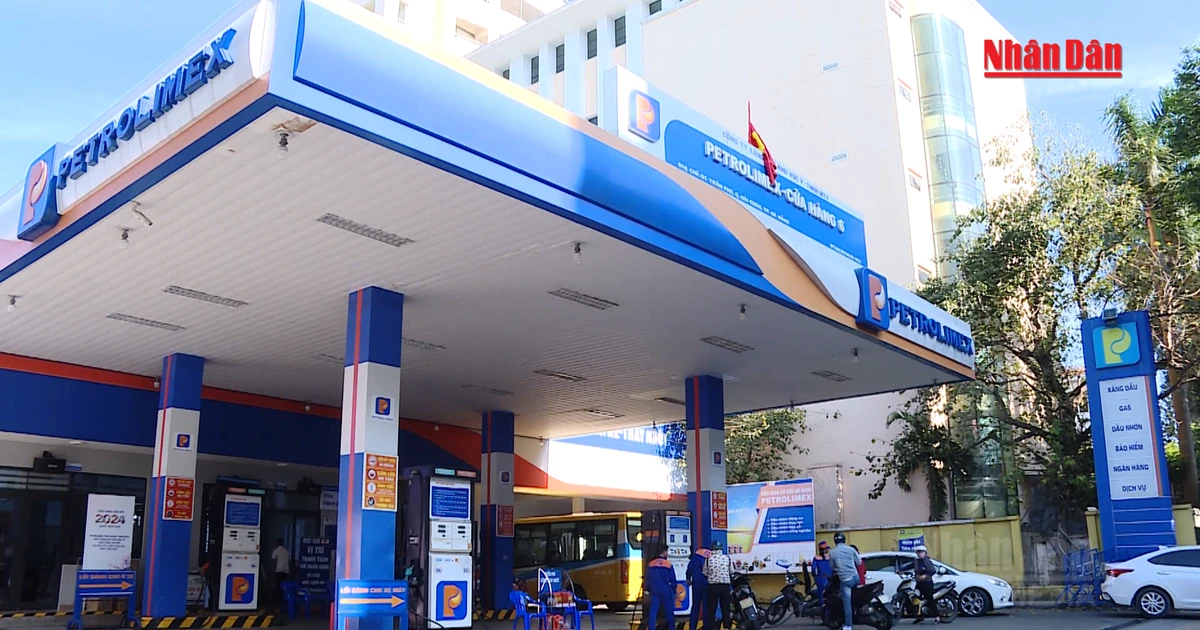
Vietnam Extends Tax Incentives for Gasoline and Petroleum Products Until End of 2026
The Vietnamese government has decided to extend tax incentives for gasoline, petroleum products, and their manufacturing inputs until the end of 2026. This measure aims to stabilize domestic energy prices and support economic growth, continuing reductions in import duties, environmental protection taxes, and VAT.
Read up to 3 eligible full articles per Japan day (JST) for free
Create a free account to open up to 3 eligible full articles per Japan calendar day (JST). Headlines and summaries remain available across ASEAN 7.
Related articles
- Vietnam Gold Prices Plummet in Line with Global Market
Vietnam's domestic gold prices dropped by over VND 2 million per tael on October 31, mirroring a sharp decline in the global market. SJC gold has fallen more than 27% from its early-year peak, with domestic prices remaining about VND 18 million higher than international rates.
- Vietnam Halves Special Consumption Tax on Gasoline to 0% Until March 2027
Vietnam's government has decided to reduce the special consumption tax on gasoline to 0% until the end of March 2027, aiming to support economic development, energy security, and stabilize the petroleum market. This move is expected to lower gasoline prices by approximately 1,500-1,700 VND per liter.
- Ngoc Linh Ginseng Festival Held in Quang Ngai, Boosting Local Economy
A festival celebrating the renowned Ngoc Linh ginseng was held in Mang Ri commune, Quang Ngai province, Vietnam. Aimed at promoting local specialties and revitalizing the regional economy, the event saw significant participation from businesses and residents, generating nearly 3 billion VND in transactions over three days.
- Vietnam Faces Long-Term Capital Shortage Hindering Growth, Capital Market Development Urgently Needed
Vietnam's economy faces massive capital demands for infrastructure development, but bank lending limits and a short-term funding structure pose bottlenecks. Australian pension funds are exploring long-term investment opportunities, making capital market development crucial for sustainable growth.