General articles are free for 24 hours after publish.
Vietnam to Treat Textbooks as Essential Goods Amid Shortages
Amidst severe textbook shortages at the start of the new school year, Vietnam's Deputy Prime Minister has instructed that textbooks be treated as "essential goods," prioritizing stable supply and fair pricing over profit. This follows disruptions in the first year of a unified national curriculum.
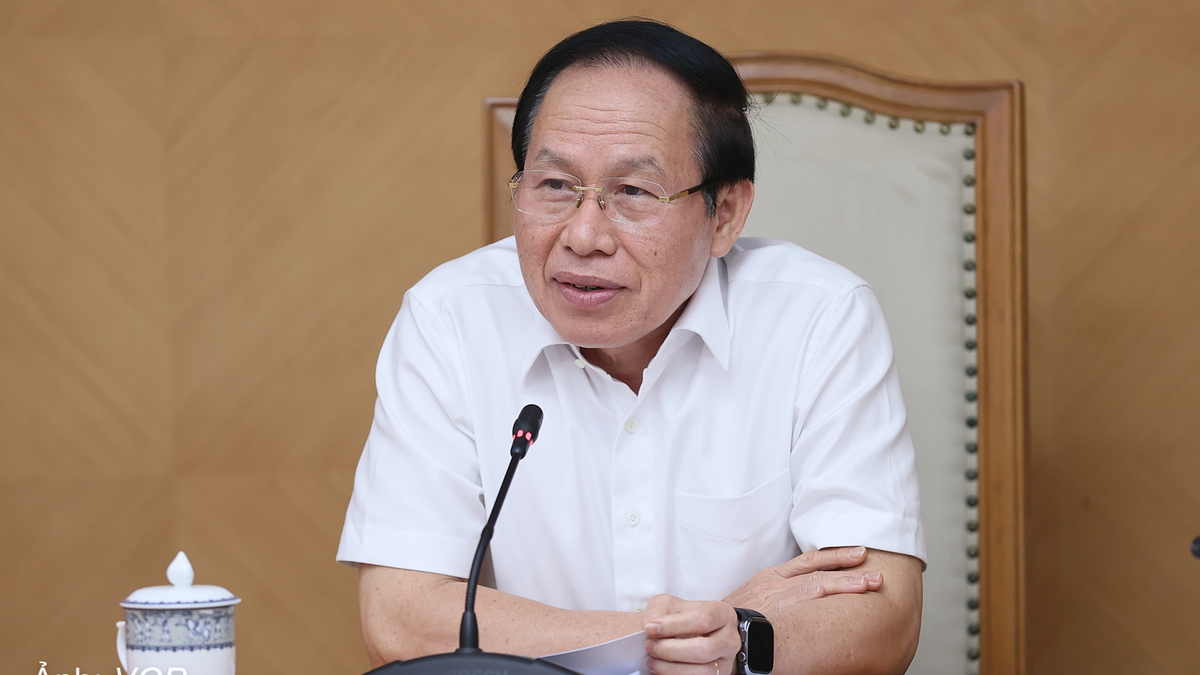
Vietnam is facing significant textbook shortages in some areas as the new school year begins, causing difficulties for parents and students in obtaining necessary materials. In response, Deputy Prime Minister Le Tien Chau has instructed that textbooks be managed as "essential goods," prioritizing stable supply and fair pricing over profit. During a meeting on textbook printing, distribution, and supply for the 2026-2027 academic year, Deputy Prime Minister Chau highlighted issues in forecasting, ordering, production, inventory, coordination, and distribution, which have led to the current deficit. He specifically called for clarification on the capacity of the dealer and bookstore network to reach remote areas, the responsibilities of dealers in supply, the textbook pricing structure, and the procurement and bidding mechanisms for textbooks as public assets. The Ministry of Education and Training has been directed to guide the Vietnam Education Publishing House to identify areas with shortages and surpluses. Based on this, supplementary printing and stock transfers will be arranged to ensure all students have adequate textbooks, with an emphasis on not disrupting teaching and learning. Textbook dealers are required to publicly disclose their sales points with available stock, contact numbers, and online ordering channels, making it easier for parents and students to access information. The Ministry of Education and Training will establish a 24-hour rapid response team to receive feedback and coordinate textbook distribution to critical areas. Furthermore, Deputy Prime Minister Chau called for a comprehensive review of state management of textbooks, from demand assessment to distribution and supervision. He also stressed the need for alternative supply plans to avoid complete dependence on intermediary unit orders. The Vietnam Education Publishing House is tasked with reviewing its entire network of agents and intermediary distribution units and proposing improvements to the management of textbook production, inventory, and distribution. The company must also review its pricing management mechanisms to ensure textbook prices are determined transparently, reasonably, and with minimal unnecessary intermediary costs. The Ministry of Industry and Trade will direct market management forces to scrutinize competition within the distribution system and take action against any signs of anti-competitive practices or violations. According to the Vietnam Education Publishing House, as of September 9, it had distributed 235.6 million copies of textbooks and 84 million copies of workbooks and reference books. The shortages are attributed to disruptions in the book ordering channels at educational institutions and operational issues. In Ho Chi Minh City, many parents had to visit five to six locations and queue for hours to purchase books in mid-August. Information Source: VnExpress
Original source
VnExpress