Vietnam's Doctor Shortage and Aging Workforce: A 90-Year-Old Doctor's Struggle
Diplomacy
2026年7月24日
5
VnExpress International

General articles are free for 24 hours after publish.

Vietnam's Doctor Shortage and Aging Workforce: A 90-Year-Old Doctor's Struggle

Share
AI Summary

A severe doctor shortage is plaguing rural Vietnam, forcing many elderly physicians to continue practicing well past retirement age. The daily struggle of a 90-year-old doctor, who climbs hills to treat 1,500 patients, highlights the depth of this issue.

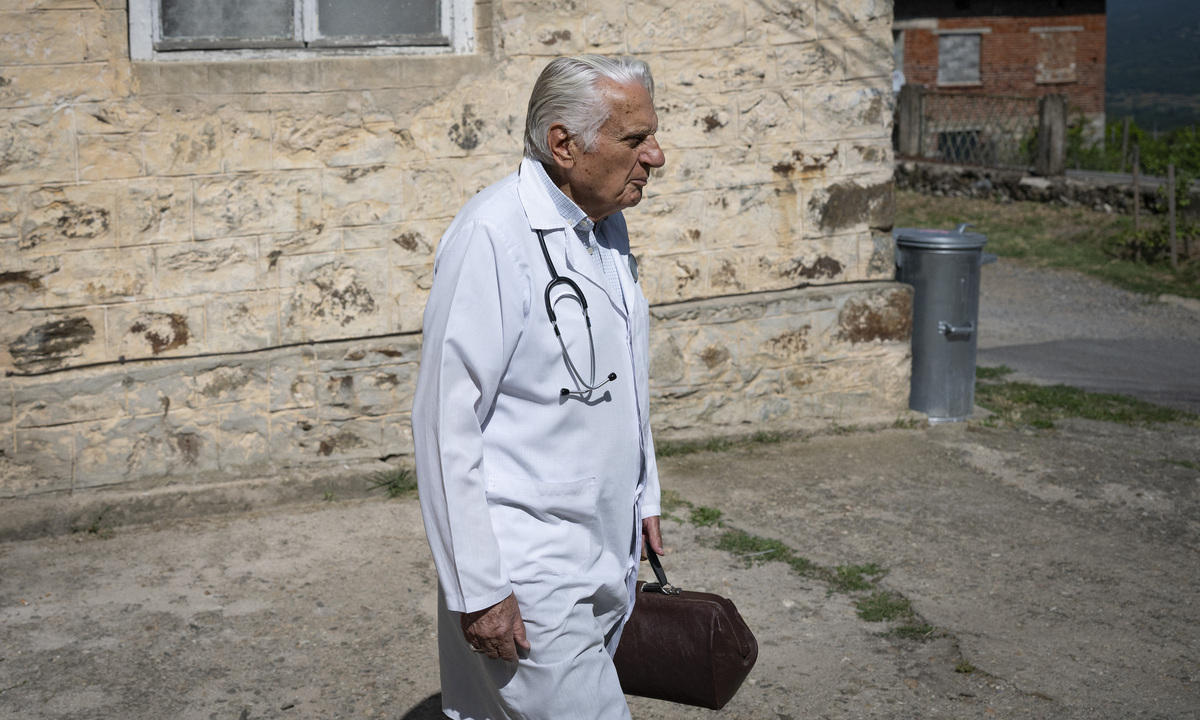
A severe doctor shortage and an aging workforce are becoming critical issues in Vietnam's mountainous regions. Similar to the situation in Bulgaria, where many elderly doctors continue to practice well past retirement age, Vietnam faces a similar challenge, especially in rural areas. Dr. Kiril Apostolov, 90, exemplifies this struggle, as he scales hills daily to treat approximately 1,500 patients at the foot of the Belasitsa Mountains, near the border with Greece and North Macedonia. This reflects a facet of the harsh reality facing Vietnam's healthcare system. According to EU statistics, 54.5% of doctors in Bulgaria were 55 or older in 2023, the highest proportion in the bloc, with the average age of general practitioners exceeding 61. A similar trend is observed in Vietnam, where securing young doctors in rural areas remains a significant challenge. Dr. Apostolov caters to a wide range of needs, from chronic conditions like hypertension and diabetes to general health consultations. "For the moment, I feel fine. The work doesn't weigh me down. I'll keep going as long as I'm doing well and the patients are satisfied," he stated, sitting behind a large wooden desk. Neatly dressed, he opens his practice at 8:00 a.m. in an old brick building, with medicines and syringes displayed in cabinets dating from the mid-20th century. At midday, he leaves the surgery to visit patients who can no longer get around themselves. In the afternoon, he gets back in his car to tour neighboring villages. However, he expresses concern about young doctors shying away from rural practice. "I would gladly step aside for someone who wanted to come work here, but young doctors aren't coming," he said, highlighting anxieties about the future of rural healthcare. Dr. Apostolov began practicing in 1962. Medicine has changed profoundly, but "what we've learned and the experience" remain important, he noted. The OECD reports that primary care in Bulgaria remains underdeveloped, underfunded, and undervalued, despite a relatively high overall density of physicians. Gergana Nikolova, vice president of the Bulgarian National Association of General Practitioners, described the situation as "We are the Atlas who carries everything, but this Atlas has grown old." According to Nikolova, many young doctors are avoiding general practitioner jobs, especially in rural areas, due to burdensome bureaucracy, poor career prospects, and low pay. Yet, despite the difficulties, Nikolova is proud to have "lit the spark" in several young doctors now training with her, just as she herself trained with Dr. Apostolov over 20 years ago. Under Vietnam's one-party system, the allocation of medical resources and the deployment of doctors to rural areas are heavily influenced by government policy. Despite remarkable economic growth, investment in the healthcare sector, especially in rural primary care, and the improvement of working conditions remain significant challenges. This doctor shortage could impact the average life expectancy and healthy life expectancy of Vietnamese citizens, posing a major public health concern. To bridge the gap with international medical standards, proactive government policies and improved compensation for healthcare professionals are deemed essential.

0

Original source

VnExpress International

原文を読む