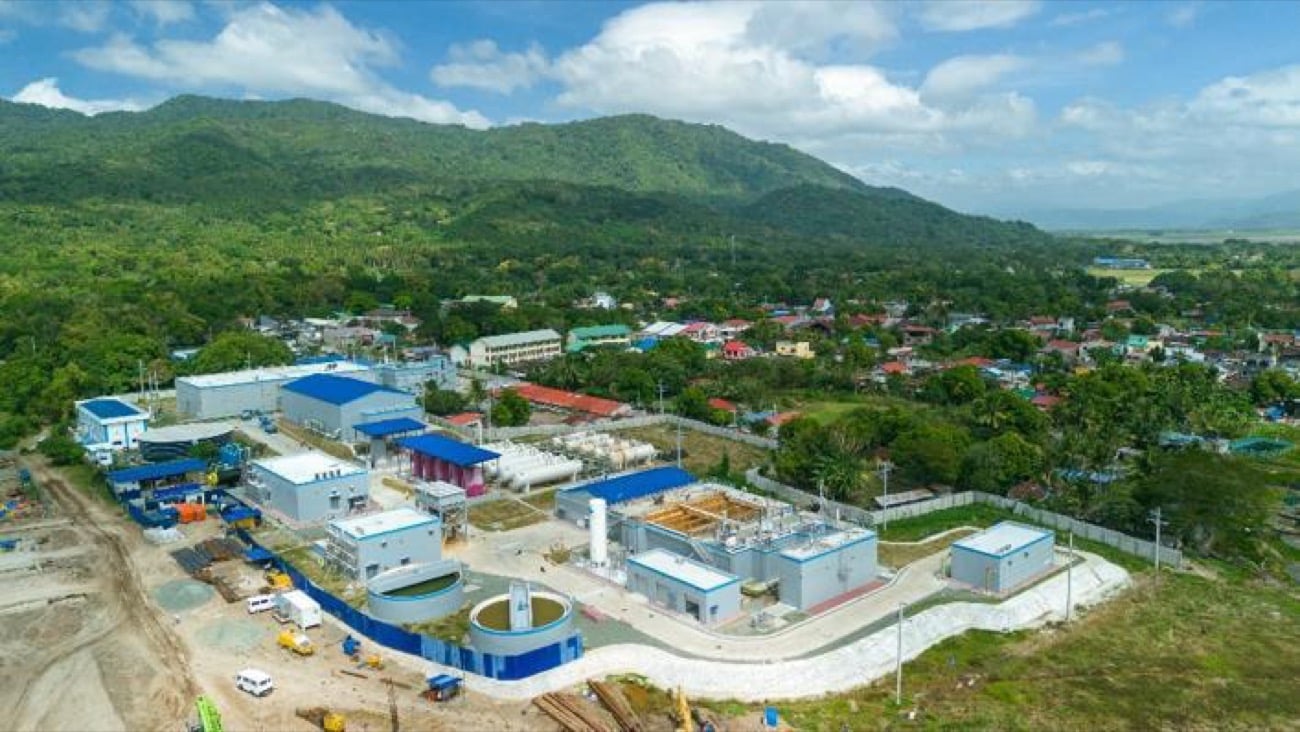
Manila Water Bolsters Supply Amid El Niño Fears with Alternative Water Sources
Manila Water is bolstering its water supply by activating the East Bay Phase 1 Water Treatment Plant, drawing from Laguna Lake, to address concerns over El Niño-induced shortages. The facility adds 50 million liters per day to its reserves, reducing reliance on Angat Dam and enhancing supply stability.
MANILA, Philippines – Amid concerns over the effects of El Niño and lower water allocations from Angat Dam, Manila Water assures customers across its East Zone concession area of continued 24/7 water supply, backed by years of strategic investments in alternative water sources, including the East Bay Phase 1 Water Treatment Plant (WTP). Physically completed in 2024 and started commissioning and process proving in 2025, the East Bay Phase 1 WTP has become a critical component of Manila Water’s strategic water reserves, providing up to 50 million liters per day (MLD) of treated water drawing water from the eastern flank of Laguna Lake. The P2.7-billion facility features an 8-million-liter reservoir, intake and pumping facilities, and a multi-stage treatment process that utilizes Dissolved Air Flotation (DAF), granular activated carbon filtration, and reverse osmosis technologies to ensure water quality. By tapping an alternative raw water source outside of Angat, the facility strengthens supply reliability and resilience and enhances the company’s ability to meet customer demand during periods of reduced water availability and climate-related challenges. READ: Manila Water urges preventive desludging amid El Niño conditions “The East Bay Phase 1 Water Treatment Plant is a testament to Manila Water’s foresight and long-term planning. We recognized early on the need to diversify our water sources and build strategic reserves that would help protect our customers from supply uncertainties. As climate challenges become more pronounced, investments like East Bay allow us to continue providing reliable water service while strengthening the resilience of our overall system,” Manila Water Corporate Communications Group Head Dittie Galang said. The East Bay Phase 1 WTP was designed to serve growing communities in Rizal Province while contributing additional supply to Manila Water’s overall distribution network. Its continued operation provides the company with greater flexibility in managing available resources across the concession area. Manila Water is continuing to develop its raw water portfolio that complement supply from Angat Dam, including the upcoming completion of the 200-MLD East Bay Phase 2 Water Treatment Plant and the 220-MLD Kaysakat Water Treatment Plant. The East Zone concessionaire has likewise expanded its strategic water reserves through alternative sources such as the 100-MLD Cardona Water Treatment Plant, the 80-MLD Calawis Water Treatment Plant, and the recently acquired Upper Wawa Dam, which can provide up to 710 MLD of additional raw water supply. Together, these assets help strengthen water security, improve supply reliability, and reinforce Manila Water’s resilience amid increasingly variable climate conditions. As climate variability continues to place pressure on water resources, Manila Water continues to invest in infrastructure that enhances water security and protects customers from future supply challenges.
多角的分析
エルニーニョによる水不足は、農業生産への打撃や、水供給の不安定化による産業活動への影響を通じて、フィリピン経済全体に波及する可能性がある。マニラ・ウォーターの代替水源への投資は、首都圏の生活と経済活動の基盤となる水供給の安定化に寄与し、経済的損失を抑制する効果が期待される。しかし、これらの大規模インフラ投資には巨額の資金が必要であり、そのコストが水道料金に転嫁される可能性も考慮する必要がある。これは、特に低所得者層の家計を圧迫する要因となり得る。
マニラ・ウォーターのようなインフラ事業への投資は、長期的な安定収益が見込める一方、気候変動や自然災害といった不確実要素への対応能力が投資判断の鍵となる。同社がアンガットダムへの依存度を減らし、複数の代替水源を確保する戦略は、事業リスクの分散と供給の信頼性向上に繋がり、投資家にとってポジティブなシグナルとなる。今後、さらなるインフラ投資計画の進捗や、気候変動への適応策がどのように実行されるかが、投資家の評価に影響を与えるだろう。
エルニーニョによる水不足は、特に都市部で水供給の不均衡を引き起こし、一般市民の生活に直接的な影響を与える。マニラ・ウォーターの東部湾浄水場の稼働は、リサール州などの成長地域への供給を強化し、水へのアクセス格差を緩和する可能性がある。しかし、水不足の懸念は、水資源の公平な分配や、気候変動に対する脆弱なコミュニティへの支援策の必要性を浮き彫りにする。また、インフラ投資のコストが水道料金に転嫁される場合、経済的に困難な状況にある家庭の負担が増加する懸念がある。
マニラ首都圏の住民にとって、安定した水供給は日常生活の根幹をなす。エルニーニョによる水不足の懸念は、過去の経験からも不安を呼び起こす。東部湾浄水場の稼働は、供給の安定化に貢献するが、水不足が深刻化した場合、配水制限や水質の低下といった問題が発生する可能性も否定できない。市民は、水道料金の妥当性や、将来的な水供給の持続可能性についても関心を持っている。特に、地方のコミュニティでは、都市部と同等の水供給が確保されているかどうかが、生活の質に直結する課題となっている。
背景・歴史的文脈
フィリピンでは、首都圏への水の供給源としてアンガットダムが長年中心的な役割を担ってきた。しかし、気候変動による降雨パターンの変化や、エルニーニョ現象による干ばつは、ダムの水位低下を引き起こし、供給能力に懸念を生じさせている。このため、マニラ・ウォーターは、ラグナ湖やワワ川など、アンガットダム以外の代替水源からの取水を強化する戦略を推進してきた。東部湾フェーズ1浄水場の稼働は、この戦略の具体的な成果であり、水供給の多様化と信頼性向上を目指す長期的な取り組みの一環である。
原文ソース
Inquirer NewsInfo