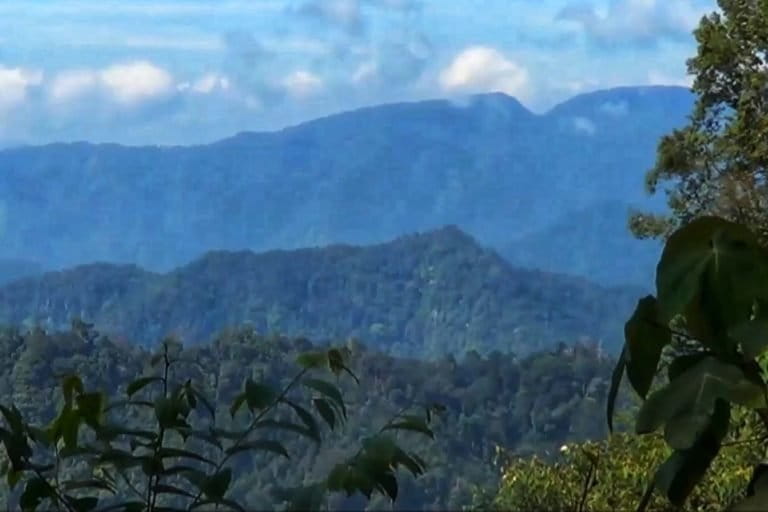
Indonesia's B50 Policy Sparks Forest Land Concerns: Seized Forest Areas Turned into Palm Oil Plantations
Indonesia's push for B50 biodiesel, primarily from palm oil, is raising alarms as seized forest areas are being repurposed for plantations. In North Sumatra, over 22,000 hectares of former forest land, including conservation areas, have been allocated for palm oil, threatening biodiversity and ecosystems.
This article requires PRO
This article is outside the free access window or is a special report. PRO unlocks it and the full archive.
Related articles
- Flores' Ancient Humans: Mystery of Disappearance Linked to Prolonged Drought
Research suggests that prolonged droughts and water scarcity, driven by climate change on the once-lush island of Flores, may have contributed to the disappearance of Homo floresiensis from caves around 100,000 years ago.
- Deputy Home Affairs Minister Urges Local Governments to Build Disaster Resilience
Indonesia's Deputy Home Affairs Minister has strongly urged local governments to build disaster resilience based on a 'responsive and anticipatory paradigm.' This initiative is crucial for addressing the increasing frequency and intensity of natural disasters.
- Indonesia Secures Fuel Supply at the Cost of Food and Forests
Indonesia's efforts to stabilize its fuel supply are reportedly coming at the expense of its food production and forest conservation, raising concerns about sustainability.
- Indonesia Strengthens Forest Fire Control Amid Rising Hotspots
Indonesia is strengthening its forest fire suppression operations as 'hotspots' show an increasing trend. The Ministry of Environment and Forestry is bolstering efforts, especially in regions experiencing the dry season.