General articles are free for 24 hours after publish.
Thailand's 'Woke' Culture Debate Fuels Generational Divide
A fierce debate over 'woke' culture is intensifying in Thailand, with evolving social awareness sparking a clash of values between generations. Progressive ideals are confronting traditional Thai customs, raising questions about societal harmony and the evolution of democratic freedoms.
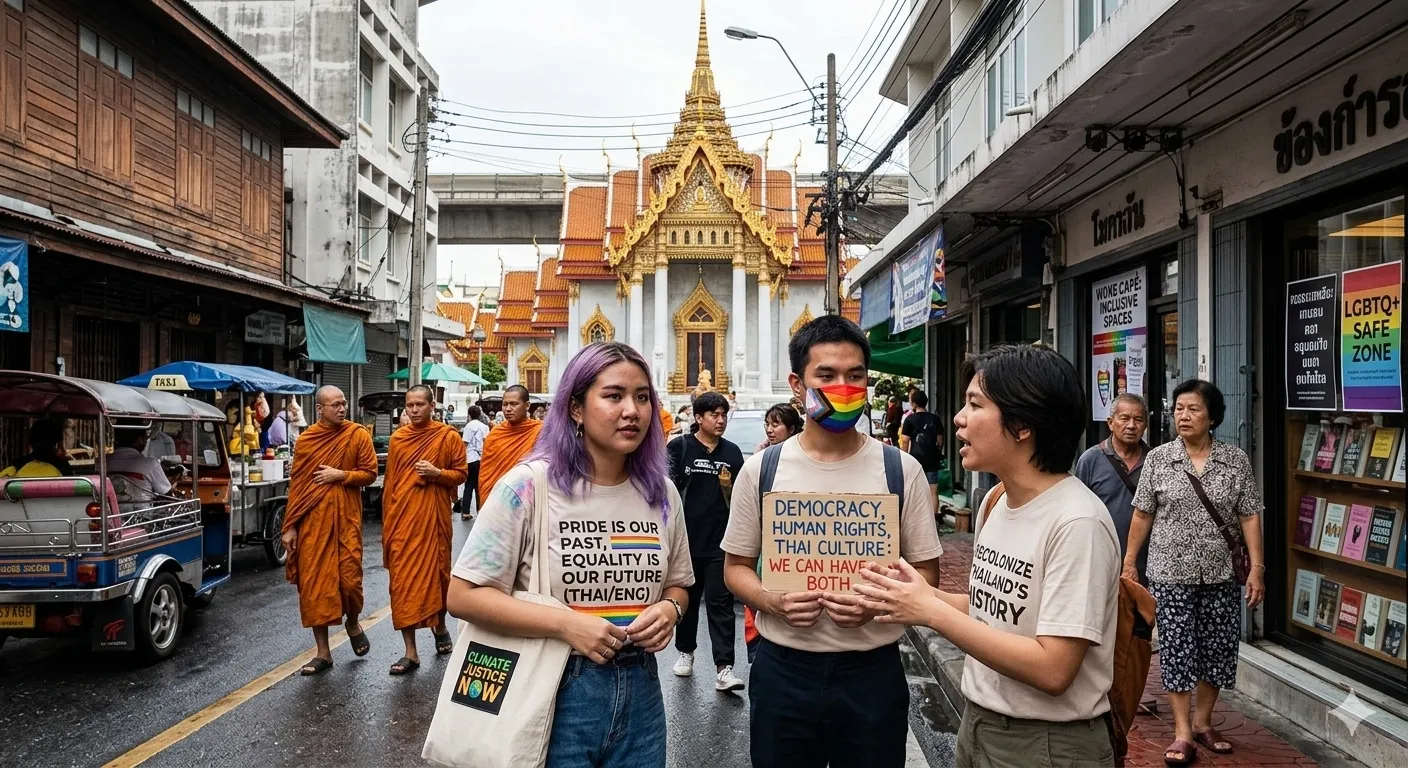
Home - Lifestyles - Thailand’s New Divide: The ‘Woke’ Culture Debate BANGKOK – The meaning of social awareness is changing rapidly and significantly across the entire nation of Thailand. What once signaled a simple push for basic equality has now sparked intense, widespread cultural debates. A profound generational divide is quickly emerging in homes, universities, and workplaces across the country. Progressive political values are clashing directly with traditional Thai customs and the long-held desire for social harmony. Critics argue that this societal shift closely mirrors the intense political divisions seen in Western countries. Many older citizens feel that traditional Thai identity is under constant threat from foreign cultural imports. Meanwhile, young activists view these progressive changes as a completely necessary evolution for true democratic freedom. Consequently, the perception of “woke culture” has clearly become a highly polarizing topic within Thai society. For many decades, Thai society heavily prioritized social harmony and maintained a deep respect for traditional hierarchy. People largely avoided public confrontation in order to maintain peace and stability in their daily lives. However, recent years have brought a massive, undeniable shift in how everyday citizens express their political views. The younger generation is increasingly demanding much more transparency, accountability, and equal rights from their leaders. This modern progressive movement aims to completely dismantle outdated social structures and heavily ingrained cultural norms. Activists are focusing their energy heavily on meaningful political reform and the advancement of gender equality. Thailand recently celebrated several major legislative milestones, which brought immense joy to dedicated human rights advocates everywhere. Yet, these modern victories have also managed to trigger a surprisingly strong conservative backlash across the entire nation. Many progressives passionately argue that updating societal values does not inherently destroy or erase Thai culture. They truly believe that genuine patriotism involves recognizing and fixing systemic flaws and historical social injustices. By directly challenging old norms, they hope to eventually create a much fairer society for everyone. But convincingly explaining this noble intent to older generations remains an incredibly difficult and frustrating task. The term “woke” originally meant staying alert to racial and social prejudice in everyday modern life. In Thailand, it has unfortunately morphed into a broad catch-all term for sweeping, radical political reform. Supporters wear this label proudly as a well-earned badge of necessary and long-overdue social disruption. Opponents, however, frequently use the term as an insulting weapon to easily dismiss these modern ideas. Traditional Thai identity relies heavily on showing immense respect for elders and established national cultural institutions. The cherished concept of “Thainess” involves a highly unified, deeply peaceful approach to everyday community life. When young activists protest aggressively in the streets, older citizens often feel a profound sense of shock. This aggressive, loud style of activism directly contradicts the famous Thai cultural concept of saving face. Conservatives deeply worry that this new wave of activism imports a toxic culture of endless grievance. They genuinely fear that constant public protesting heavily damages the country’s international reputation and economic stability. According to traditionalists, young activists are forcefully tearing down the vital pillars that kept Thailand historically stable. They firmly argue that sudden, drastic social changes always create unnecessary chaos and dangerous national division. Conversely, younger Thais strongly feel that maintaining the current status quo only protects wealthy elite groups. They are increasingly frustrated by an outdated political system that expects blind, unquestioning obedience from its youth. The internet has finally given this generation direct access to modern, global human rights standards and expectations. Naturally, they want those exact same high standards consistently applied within their own country’s unique borders. This intense ideological clash frequently plays out during uncomfortable family dinners and once-peaceful weekend social gatherings. Parents and their children constantly find themselves arguing over sensitive issues they once politely ignored completely. The cultural gap between these two distinct generations has never felt quite so wide and unbridgeable. Navigating these difficult conversations requires an immense amount of patience, empathy, and mutual understanding from everyone. Much of this growing cultural friction is heavily fueled by globalized, profit-driven digital social media platforms. International social media algorithms generally tend to reward intense outrage and highlight extreme, polarizing political opinions. Young Thais actively consume massive amounts of digital content directly from Western progressive social justice movements. This constant daily exposure naturally shapes and influences their local political strategies, arguments, and modern vocabulary. Critics often point accusatory fingers at Western expats currently living in bustling urban hubs like Bangkok. They argue these foreigners unknowingly inject their own highly divisive cultural wars directly into traditional Thai society. Some traditionalists feel that Westerners aggressively push their progressive ideals without truly understanding delicate local nuances. This misunderstanding easily creates deep resentment among locals who feel their cultural heritage is being entirely erased. However, blaming foreigners entirely for this shift completely ignores the genuine, homegrown domestic desire for positive change. Thai youth are certainly not merely copying Western political trends without applying any deep critical thought. They are intelligently adapting global concepts of justice to perfectly fit their specific, localized political struggles. It is a completely homegrown movement that simply utilizes modern, international digital tools to organize effectively. Still, the highly polarized, toxic nature of modern Western politics is undoubtedly seeping into local debates. Crucial nuance is almost always lost when complex social issues are reduced to short, viral hashtags. The simplistic black-and-white thinking commonly found on platforms like Twitter leaves very little room for compromise. This hostile digital environment makes finding a peaceful middle ground incredibly difficult for everyone currently involved. Healing this deep cultural divide will absolutely require significant, continuous effort from both sides of the debate. Conservatives must willingly recognize that youth political engagement is actually a sign of a healthy society. Ignor
Original source
Chiang Rai Times