Indonesia's New Capital Nusantara Faces Funding Woes and Corruption Allegations
Economy
2026年7月14日
5
The Diplomat Indonesia

Indonesia's New Capital Nusantara Faces Funding Woes and Corruption Allegations

AI サマリー

Indonesia's ambitious new capital project, Nusantara in East Kalimantan, is plagued by significant funding shortfalls and corruption allegations, casting doubt on its completion. Meanwhile, the old capital, Jakarta, grapples with sinking and congestion.

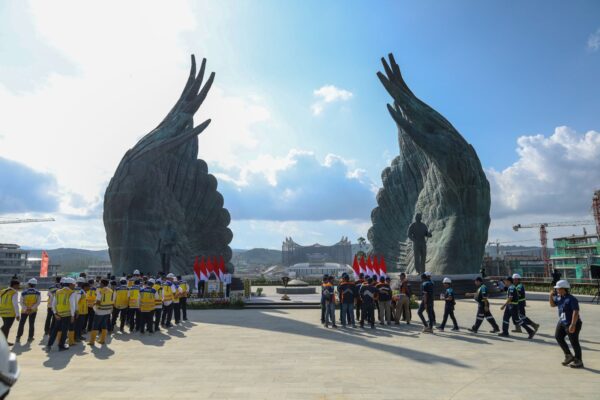
Indonesia's ambitious plan to build a new capital city, Nusantara, in East Kalimantan, at a cost of $32 billion, is facing significant funding shortfalls and corruption allegations, casting doubt on its completion. The original vision was for private investors to cover roughly 80 percent of the cost, approximately $25.6 billion, with the government funding the remaining fifth for essential infrastructure and government buildings. However, signed investment commitments currently stand at around $13.6 billion, with only about $4 billion realized in actual construction, representing roughly 15 percent of the private capital target. The government's own contribution has also dwindled, with budget documents showing a sharp decline in allocations for the Nusantara Capital Authority (IKN) from approximately $2.7 billion in 2024 to about $390 million in the 2026 draft budget, an 85 percent cut. The result is a nascent city with minimal infrastructure, currently inhabited by some 10,000 people, primarily construction workers and civil servants, far from the initially promised 1.2 million residents, leading to descriptions of a "ghost city." Meanwhile, the existing capital, Jakarta, continues to function as the de facto seat of government despite its severe issues with pollution, gridlock, and rapid sinking, reportedly the fastest among major global cities. A local saying captures the predicament: Indonesia has two capitals – one that's drowning, and one that's a rumor. Economically, the Indonesian rupiah (IDR) has plummeted in the first half of 2026, making it one of the world's worst-performing currencies. The government's recent policy of forcing non-oil-and-gas exporters to repatriate and park all earnings in state-owned banks for a minimum of 12 months has been interpreted by foreign investors as a precursor to capital controls. The establishment of Danantara, a new sovereign wealth vehicle consolidating stakes in state-owned enterprises, has also contributed to market unease. Adding to these challenges, President Prabowo Subianto's signature campaign promise, the Free Nutritious Meals (MBG) program for schoolchildren and pregnant women, has become entangled in a multibillion-dollar corruption scandal. The former head of the National Nutrition Agency was arrested in June for alleged manipulation of foundation selection and procurement, with several other suspects following into custody. The program, initially budgeted at around $19 billion, has seen its allocation trimmed due to the scandal. In essence, Indonesia is attempting to fund a $32 billion new capital and a scandal-ridden, multi-billion-dollar school lunch program simultaneously, struggling to adequately finance either. With Jakarta having surpassed Tokyo as the world's largest city by population, the viability of Nusantara and Indonesia's ability to achieve its ambitious capital relocation goals, despite currency and budget headwinds, remain critical questions. Information Source: The Diplomat Indonesia

多角的分析

経済的影響

ヌサンタラ新首都計画の財政的持続可能性は、民間投資への過度な依存と、政府自身の予算配分の急激な縮小により、極めて脆弱な状態にある。ルピアの急落は、経済の基本構造における問題を示唆しており、輸出業者への資本規制的な措置は、さらなる資本流出を招くリスクを孕む。MBGプログラムの汚職は、財政規律の欠如と、国家資源の非効率的な配分を浮き彫りにしている。これらの要因が複合的に作用し、インドネシア経済全体の信頼性を損なっている。

投資家心理

投資家は、ヌサンタラ計画への資金投入に消極的になっている。目標額のわずか15%しか実現していない現状は、プロジェクトの実現可能性に対する深刻な疑念を生んでいる。さらに、ルピアの急落と、輸出収益の資本規制を思わせる政策は、インドネシア市場からの資本引き揚げを促す可能性が高い。Danantaraのような新しいソブリン・ウェルス・ファンドの設立も、透明性への懸念から、慎重な監視対象となっている。投資環境は、政治的・経済的な不確実性により、極めてリスクが高いと判断される。

社会的影響

ジャカルタのインフラ問題と、ヌサンタラにおける生活環境の未整備は、国民生活に直接的な影響を与えている。ジャカルタ市民は、混雑と環境汚染、そして沈下という課題に日々直面している。一方、ヌサンタラで働く労働者や公務員は、約束された都市生活とはかけ離れた、孤立した環境での生活を強いられている。MBGプログラムの汚職疑惑は、子供たちの栄養という最も脆弱な層への支援が、不正の温床となっている現状を示しており、国民の政府への信頼を大きく損なっている。

市民の声

ジャカルタ市民は、長年にわたり交通渋滞、大気汚染、そして都市の沈下という深刻な問題に耐えてきた。新首都建設への期待があった一方で、その進捗の遅れと財政難、そして汚職疑惑は、政府の計画遂行能力への失望感を生んでいる。特に、食料支援プログラムにおける汚職は、国民の税金が不正に流用されていることへの怒りを引き起こしている。国民は、生活の質の向上と、政府の透明性・説明責任を強く求めている。

背景・歴史的文脈

インドネシアでは、ジャカルタの過密、インフラの老朽化、そして沈下問題が長年指摘されてきた。2019年、ジョコ・ウィドド前大統領は、これらの問題を解決し、国家の新たな象徴とするため、東カリマンタンへの新首都移転計画を発表した。計画は、2045年までに完成させることを目標とし、官民連携(PPP)モデルによる巨額の民間投資に期待を寄せていた。しかし、COVID-19パンデミックによる経済への打撃や、計画の抜本的な見直し、そしてプラボウォ・スビアント現大統領就任後の政策優先順位の変化などが、計画の遅延と資金調達の困難さを招いている。

原文ソース

The Diplomat Indonesia

原文を読む