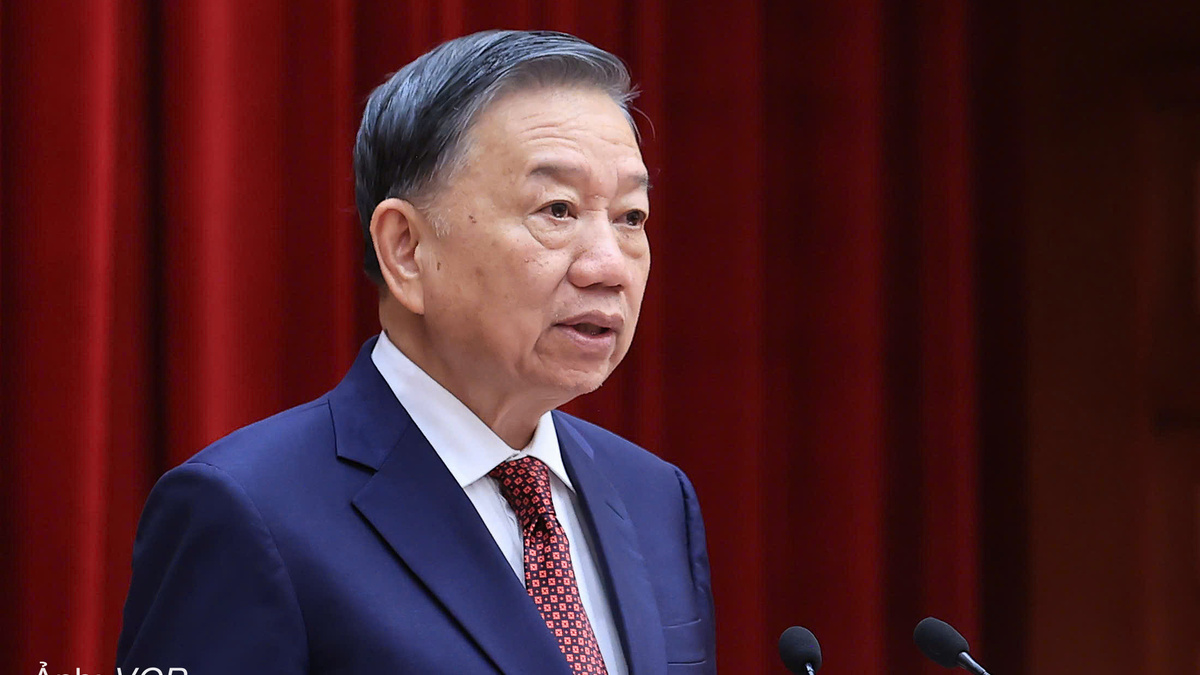
Vietnam to Strengthen State Control Over Land Prices Amid Economic Growth
Vietnam's Communist Party Central Committee has decided that the state will determine land prices as part of amendments to the Land Law, aiming to harmonize interests of the state, people, and businesses. Amidst economic growth challenges and implementation hurdles, the impact on citizens' livelihoods is a key focus.
This article requires PRO
This article is outside the free access window or is a special report. PRO unlocks it and the full archive.
Related articles
- Vietnam: Mudflow from Company Site Floods Homes, Raising Safety Concerns
A company's boundary wall collapsed in central Vietnam, causing a massive mudflow to inundate nearby homes and disrupt residents' lives. The incident has raised questions about corporate safety management and its impact on the local community, prompting an official investigation.
- Ninh Binh Province Drives Digital Transformation for Efficient Governance and Modern Society
Ninh Binh Province in Vietnam is advancing digital transformation to enhance efficiency in governance, economy, and society. The province has achieved positive results across the three pillars: digital government, digital economy, and digital society, promoting citizen-centric digitalization. However, challenges such as a shortage of skilled personnel and system integration persist.
- Ho Chi Minh City Infrastructure Project Accident Disrupts Local Life
An accident occurred in Ho Chi Minh City when construction machinery for the Xuyên Tâm Canal development project fell onto Bùi Hữu Nghĩa Street. While no casualties were reported, the incident has impacted local residents' lives, highlighting the importance of safety measures in infrastructure development.
- Myanmar Flood Damage: Recovery Underway Amidst Lingering Concerns
Widespread damage has been reported across Myanmar following extensive flooding. While evacuation and recovery efforts are underway, infrastructure damage and food shortages remain significant challenges for affected communities.