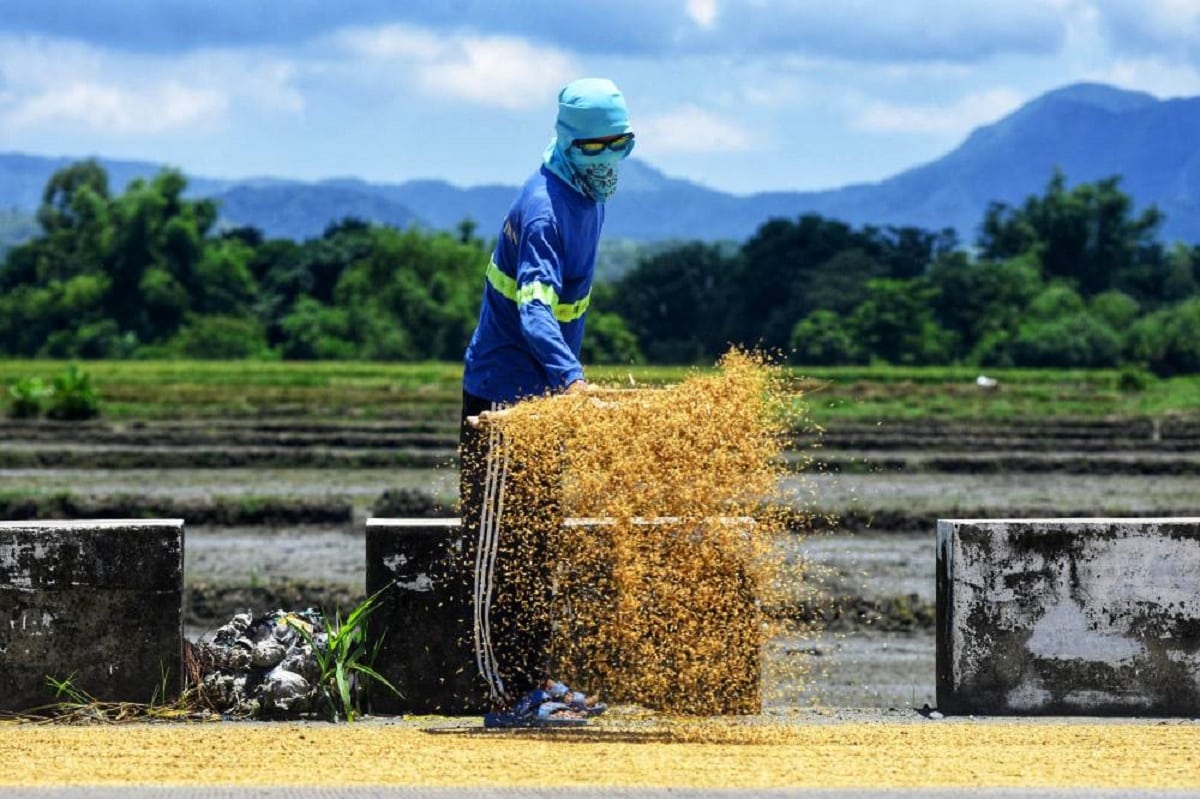
Philippines to Hike Palay Buying Price, Impose Import Curbs to Aid Farmers
The National Food Authority (NFA) in the Philippines will raise its buying price for palay (unmilled rice) to P21 per kilogram nationwide starting in September to address rising fertilizer costs. Additionally, a temporary ban on rice imports will be imposed in Iloilo province, a key rice-producing area, from mid-September to late November to prevent imported grains from entering during the peak harvest season.
MANILA, Philippines — The National Food Authority (NFA) is hiking its buying price for palay (unmilled rice) nationwide to P21 per kilogram from the previous P17 kg starting in September “to help address the higher cost of fertilizer and other inputs,” Agriculture Secretary Francisco Tiu Laurel Jr. said in a statement on Thursday. The Department of Agriculture (DA) chief, who concurrently chairs the NFA Council, also announced a temporary ban on rice imports in Iloilo from mid-September until the end of November to prevent imported grains from reaching the province during peak harvest. “That is what I can do to ensure that you would earn a decent return from your hard work,” Tiu Laurel said. According to the NFA, the latest interventions should boost farm-gate prices of palay and ensure higher earnings for local farmers. READ: Rice output decline reflects policy, market and climate failures Dubbed the rice bowl of the Visayas, Iloilo contributes nearly half of Western Visayas’ rice production and more than five percent of national output. The province produced 837,852.21 metric tons (MT) of palay in 2025, slightly higher than the previous year, according to data from the Philippine Statistics Authority (PSA). READ: NFA palay purchases slump despite improved pricing PSA records also showed that Iloilo’s rice output declined by 34 percent to 203,934.59 MT in the first quarter of 2026. Tiu Laurel further unveiled plans to construct two more large rice processing facilities in Iloilo, which are expected to begin operations by October, while a smaller processing center in Dumangas will be turned over to a farmers’ cooperative. The NFA is also building 36 modern rice processing facilities to reduce postharvest losses, improve the incomes of farmers and strengthen national food security. Half of the processing facilities are expected to be operational during the coming wet season, with the remainder going online before the dry season harvest next year. This week, the NFA inaugurated a P355.4-million facility in the province to boost its rice inventory and reduce postharvest losses. According to the grains agency, the Iloilo facility can process up to 4,800 50-kilo bags of palay daily. It is equipped with mechanical dryers, allowing the NFA to purchase freshly harvested wet palay at better prices. Its expanded storage capacity allows the grains agency to absorb up to 12 percent of Iloilo’s projected harvest, enough to help stabilize market prices. “These are part of President Ferdinand Marcos Jr.’s vision of a modernized agricultural sector, where farmers earn a decent living, consumers enjoy affordable food,” Tiu Laurel said. /cb Information Source: Inquirer NewsInfo
多角的分析
米価の引き上げと輸入規制は、短期的に農家所得の向上に寄与する可能性がある。しかし、NFAの買い取り価格引き上げは、政府の財政負担を増加させる。また、輸入制限は国内の米供給量を一時的に逼迫させ、消費者物価の上昇を招くリスクがある。特に、フィリピンは米の輸入依存度が高いため、長期的な食料安全保障の観点からは、国内生産能力の強化と効率化が喫緊の課題である。NFAによる加工施設の増強は、この課題への対応策の一つと見られるが、その効果は施設稼働率や農家への普及度合いに左右される。
今回のNFAによる米価引き上げと輸入規制は、国内の農業関連企業、特に肥料・農薬メーカーや種子会社にとっては、農家の購買力向上という点でプラスに働く可能性がある。一方で、米の輸入業者や卸売業者にとっては、短期的な収益機会の減少を意味する。長期的な視点では、フィリピン政府が農業の近代化と食料自給率向上に注力する姿勢は、農業技術やインフラ関連への投資機会を示唆する。しかし、政府の介入による市場の歪みや、気候変動による生産リスクは、投資家にとってリスク要因となりうる。
米価の引き上げは、農家、特に小規模農家の収入向上に直接的な恩恵をもたらす可能性がある。しかし、イロイロ州での輸入禁止措置は、米の消費者、特に都市部や非生産地域の住民にとって、食費の増加につながる懸念がある。NFAによる加工施設の増強は、収穫後の損失削減を通じて農家の手取り収入を増やすだけでなく、米の品質向上にも寄与しうる。しかし、これらの恩恵が全国の農家に均等に行き渡るか、また、消費者物価への影響がどのように管理されるかが、社会的な受容性を左右するだろう。フィリピンでは、米は主食であり、その価格変動は国民生活に直結するため、政府の食料政策は常に注視される。
今回のNFAの米価引き上げは、米農家にとっては朗報です。特に、肥料代が高騰している中で、少しでも収入が増えるのはありがたいことです。イロイロでの輸入禁止も、自分たちの米が適正な価格で売れるようになるなら良いことだと思います。ただ、私たち消費者としては、米の値段が上がらないか心配です。特に都市部では、米は日々の食卓に欠かせないですから。政府には、農家を助けつつ、私たちも困らないような対策をお願いしたいです。新しい加工施設ができるのは良いことですが、それが本当に私たちの生活を楽にしてくれるのか、これから見ていくことになります。
背景・歴史的文脈
フィリピンにおける米(パライ)の価格と農家の収入は、長年にわたり政府の政策課題となっている。特に、肥料価格の高騰や気候変動による収穫量の変動は、農家の経営を圧迫する要因となってきた。過去には、NFAの買い取り価格が市場価格を下回ったために、農家がNFAに米を売却せず、市場価格の低迷を招くという逆効果が生じた事例もある。また、米の輸入は、国内生産だけでは需要を満たせない場合に、食料価格の安定化のために行われるが、輸入米の流入時期や量が国内農家の収益に大きな影響を与えるため、その管理は常にデリケートな問題となっている。今回の措置は、こうした過去の教訓を踏まえつつ、農家支援と食料安全保障の両立を目指したものと考えられる。
原文ソース
Inquirer NewsInfo