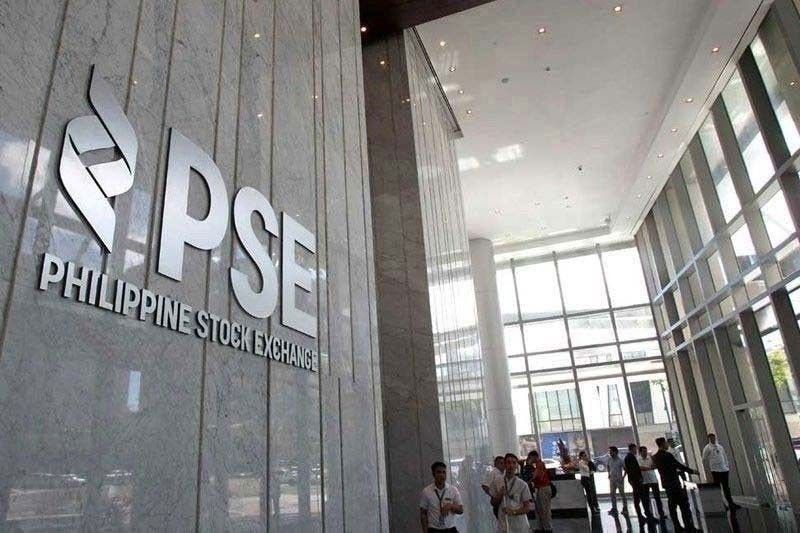
Philippine Stocks Brace for Sideways Trade Amid Wait for Major Catalysts
The Philippine stock market is expected to trade sideways this week as investors await major catalysts to support a continued rally. While foreign investor support is evident, trading volume remains thin, suggesting a lack of strong conviction.
The local stock market is anticipated to trade sideways this week as investors await major catalysts to support a continued rally. Last week, the Philippine Stock Exchange index (PSEi) managed to maintain its hold above the 6,200 level, bringing a return to the 6,300 level within reach. It closed at 6,286.70 on Friday, up by 1.59 percent week-on-week. Japhet Tantiangco, research manager at Philstocks Financial, noted that the local market has shown positive momentum in the last two weeks, climbing a total of 3.53 percent. Support from foreign investors was also observed recently, with the last six trading days all posting net inflows totaling P3.76 billion. However, Tantiangco cautioned, “Trading remains thin with value turnover averaging P5.55 billion last week, implying that the rally is not backed by strong conviction. While the past two weeks have been positive due to bargain hunting, downside risks are still seen for the local bourse.” He anticipates the trading range for this week to be between 6,150 and 6,400. The situation in the Middle East is expected to remain a concern among investors, as a re-escalation of tensions which could cause oil prices to rebound may weigh on the local market. Upside risks to inflation, including global oil price volatility, El Niño, and inflation expectations, also remain on the table and could dampen market sentiment. “Overall, we’ve been seeing positive momentum for the local bourse. So far however, this is seen to be driven mainly by bargain hunting. Downside risks are still in play while no optimistic catalyst is seen yet. Hence, investors are advised to maintain caution,” Tantiangco advised. 2TradeAsia.com recommends staying cautious around interest-sensitive stocks, as the Bangko Sentral ng Pilipinas (BSP) is expected to hike rates by 25 basis points anew by year-end. “June inflation delivered a welcome step in the right direction, but sticky core pressures and geopolitical oil risks mean the BSP tightening cycle is far from over,” it said. “With upcoming release of second quarter earnings, identify specific earnings plays amid anemic average EPS (earnings per share) growth estimates,” it added. According to 2TradeAsia.com, banks are seen to deliver resilient net interest margins, with the recent waiver of electronic transfer fees posing a negligible threat to earnings. Energy names offer direct hedging value, while parent conglomerates, which are trading at historically wide discounts to net asset value, offer opportunities to play the margin recovery of their underlying subsidiaries.
多角的分析
フィリピン経済は、インフレ圧力と金利上昇のリスクに直面しています。BSPの追加利上げの可能性は、国内の消費と投資を抑制する可能性があります。特に、中東情勢の緊迫化は原油価格の上昇を招き、インフレをさらに悪化させるリスクがあります。これは、フィリピン経済の回復ペースに影響を与える可能性があります。企業にとっては、コスト増加と需要の鈍化という二重の課題に直面する可能性があります。
投資家は、市場の不確実性から慎重な姿勢を崩していません。外国投資家の流入は一時的なものに留まり、本格的なラリーには強い確信が欠けています。金利上昇のリスク、中東情勢、そしてインフレ動向が、投資判断における主要な懸念事項となっています。個別銘柄では、銀行セクターの安定性や、割安なコングロマリットへの注目が集まっていますが、全体としてはリスク管理が重要視される状況です。
フィリピン国民は、インフレによる生活費の上昇に直面しています。特に、燃料価格の変動は、輸送コストや食料品価格に直接影響を与え、家計を圧迫します。6,200ポイント台の株価水準は、一部の投資家にとっては魅力的かもしれませんが、多くの国民にとっては、日々の生活費の確保が最優先課題であり、株式市場の動向は遠い出来事となっています。エルニーニョ現象による農作物への影響も、食料価格の不安定化を通じて、社会的な懸念材料となります。
マニラ首都圏の市民は、日々の生活費の上昇に直面しています。特に、ガソリン価格の動向は、通勤費や物価に直接影響するため、常に注視しています。株式市場の動向は、一部の富裕層や投資家には関心事ですが、多くの一般市民にとっては、食料品や公共料金の値上がりの方が、より切実な問題です。中東情勢の緊迫化による原油価格の上昇は、さらなる負担増につながるため、不安を感じています。
背景・歴史的文脈
フィリピン株式市場は、過去数年間、国内外からの投資流入により成長を遂げてきましたが、その動向は常にグローバル経済や地政学的なリスクに左右されてきました。特に、原油価格はフィリピン経済にとって重要な要素であり、中東情勢の不安定化は、過去にもインフレ圧力や経済成長の鈍化を引き起こす要因となってきました。また、フィリピン中央銀行(BSP)は、インフレ抑制のために金融政策を調整しており、その利上げの動向は市場に大きな影響を与えます。エルニーニョ現象のような気候変動も、農業生産や食料価格に影響を及ぼし、経済全体に波及効果をもたらす可能性があります。これらの要因が複合的に作用し、現在の市場の様子見ムードを生み出しています。
原文ソース
Philstar Business