VP Sara's Impeachment Trial Sees Clash Over Photocopied Evidence
In the impeachment trial of Philippine Vice President Sara Duterte, prosecutors argue that photocopied NBI documents are "as good as the original," sparking debate over their admissibility. The defense has objected, with the application of new evidence rules being a key point.
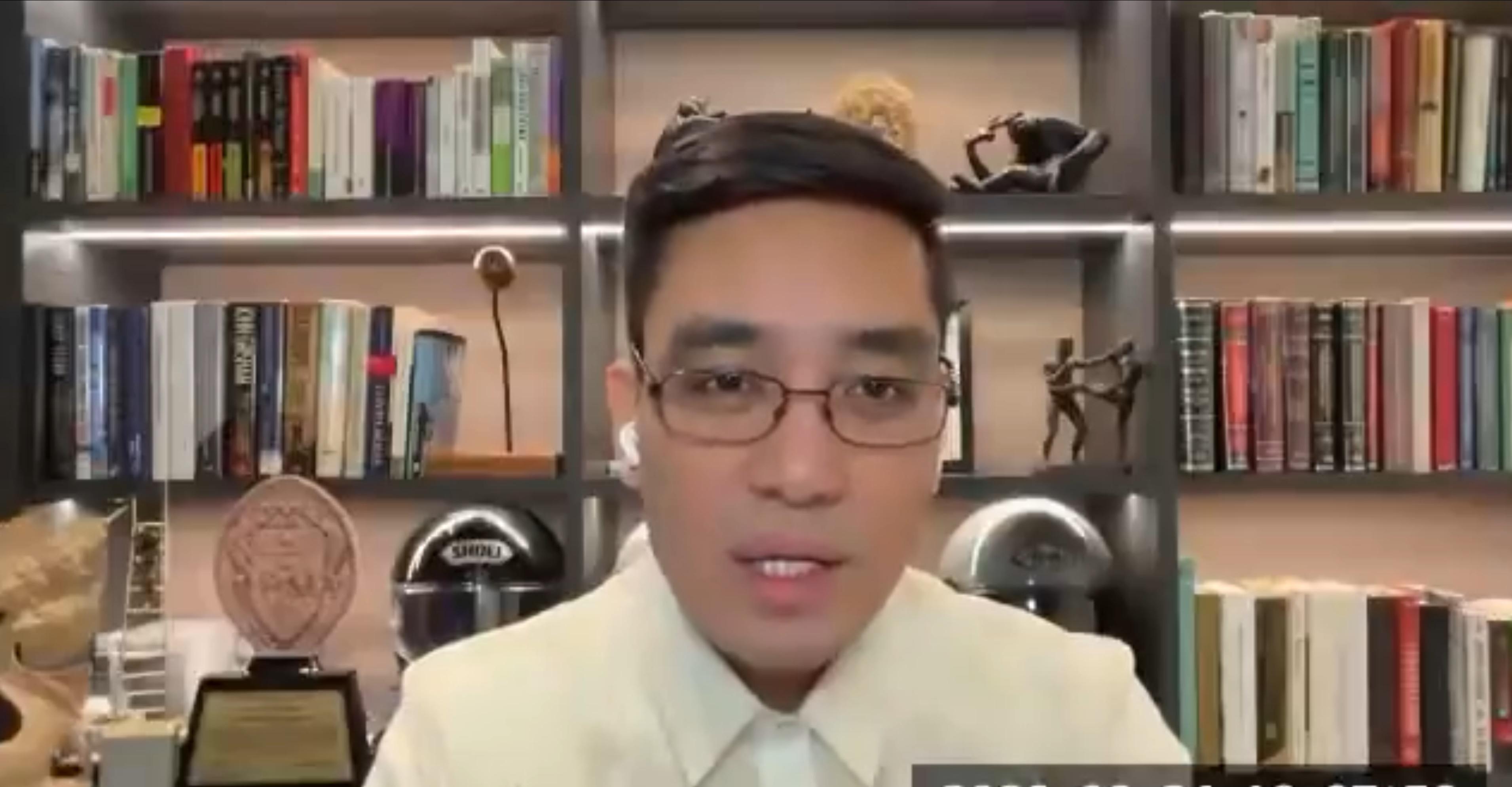
In the impeachment trial of Philippine Vice President Sara Duterte, prosecutors are asserting that photocopied documents from the National Bureau of Investigation (NBI) presented as evidence are "as good as the original" under the amended Rules of Evidence. The defense panel has repeatedly objected to the admissibility of these photocopied documents. Atty. Benjamin Tolosa, Jr., private prosecutor for the impeachment trial, explained that "under the new Rules of Evidence, there's a rule that we call the original document rule. Under that rule, duplicates such as photocopies are considered as originals, provided that there's no genuine issue regarding its authenticity." This is based on the 2019 amended Rules of Evidence, which states that "a duplicate is admissible to the same extent as an original unless a genuine question is raised about the authenticity of the original or admitting the duplicate instead of the original would be unjust or inequitable." Tolosa dismissed the defense's objections, which highlighted discrepancies between documents marked as "certified true copy" and other copies, stating that this does not constitute a "genuine issue of authenticity." He clarified that the rule allowing photocopies to be treated as originals applies specifically to evidence presented before a trial court and not to ordinary transactions. "It's not like you can travel abroad with just a photocopy of your passport," he pointed out, seeking to dispel common misconceptions. Also presented as evidence in the trial is a video showing the Vice President allegedly making threats against President Ferdinand Marcos, Jr. and his family. Deputy Speaker Paolo Ortega V described the video as a "money shot," stating it is "clear as day, not edited, not AI generated. It is an actual video with the timestamps." The Vice President's camp has maintained that such utterances were part of her right to freedom of expression. The dispute over the handling of evidence is a critical point that could influence the outcome of the impeachment proceedings. Source: GMA News Philippines
多角的分析
このニュースは直接的な経済的影響を伴わないが、法的手続きの遅延は、副大統領の職務遂行能力への懸念を生じさせ、結果として政策決定や経済政策の実行に不確実性をもたらす可能性がある。特に、投資家心理に影響を与えかねない。
投資家にとっては、法的手続きの長期化や不確実性は、政治的リスクの増加と見なされる。証拠の有効性を巡る争いは、法制度の安定性に対する懸念を抱かせ、国内の投資環境への信頼を損なう可能性がある。
裁判での証拠の取り扱いに関する議論は、一般市民の法制度への信頼に影響を与える。特に、コピー書類の有効性が争点となることで、日常的な行政手続きや契約における書類の取り扱いについても、市民の間に疑問や不安を生じさせる可能性がある。SNSでの言及が示唆するように、市民は身近な問題として捉えやすい。
市民の視点からは、法廷でコピー書類が原本と同等と扱われるという事実は、日常生活における書類の重要性や信頼性について、新たな疑問を投げかける。例えば、パスポートや運転免許証などの公的書類のコピーが、どのような場面で通用するのか、あるいは通用しないのか、その線引きが曖昧になることへの懸念が生じる。これは、官僚的な手続きや法的な正当性に対する市民の理解を複雑にする。
背景・歴史的文脈
フィリピンにおける弾劾裁判は、高官の不正行為や職務怠慢を問うための重要な制度である。近年、政治的対立の激化に伴い、弾劾手続きが政治的な駆け引きの場となるケースが増加している。特に、証拠の有効性や手続きの正当性は、裁判の帰趨を左右する鍵であり、過去にも同様の議論が繰り返されてきた。2019年の証拠規則改正は、デジタル化の進展などに対応するためのものだが、その適用範囲や解釈が新たな争点となることがある。
原文ソース
GMA News Philippines