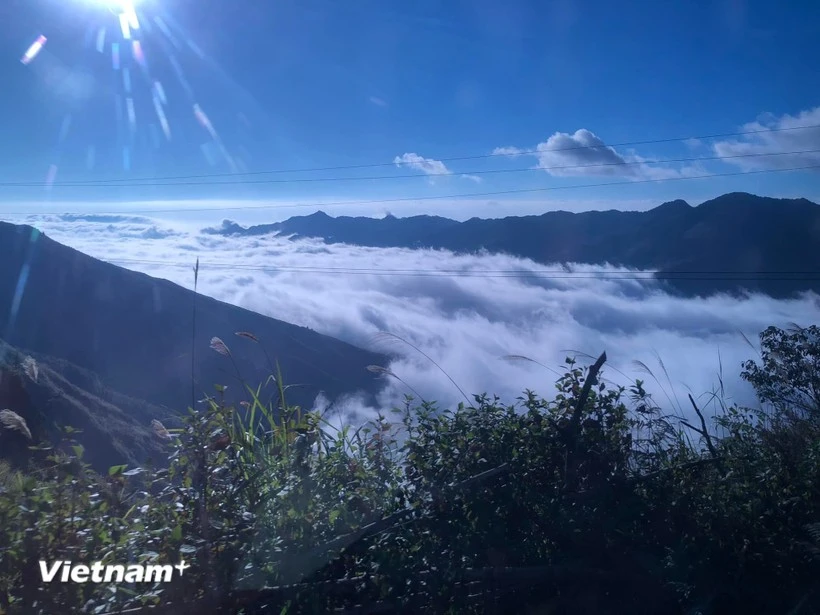
Vietnam Pursues Sustainable Tourism Growth Amidst Diversification Efforts
Vietnam is accelerating sustainable tourism development, spurred by the recognition of Ta Xua as a "cloud paradise." The nation is exploring models that balance nature conservation with benefits for local economies, aiming to attract both domestic and international visitors.
Vietnam is striving to establish itself as a sustainable tourism destination by leveraging its rich natural landscapes and cultural heritage. The recognition of Ta Xua in the northern province of Son La as one of the 26 must-visit global destinations for 2026 by India’s New Delhi Television has significantly boosted attention on the region. Ta Xua, characterized by its untouched scenery and minimal commercial development, is known as Vietnam's "cloud-hunting paradise." The "dinosaur spine" trekking route, widely shared among travel enthusiasts for years, exemplifies its allure. Efforts are underway to build a sustainable tourism model that maximizes the benefits of these natural assets while ensuring local residents directly profit from tourism. This aligns with the concept of "circular tourism," which contributes to environmental protection, preservation of cultural heritage, and strengthening the resilience of local communities. Domestically, Vietnam is also diversifying its tourism offerings. For instance, Bach Ma National Park is focusing on developing sustainable tourism products that capitalize on its rich biodiversity. Additionally, Quang Tri province is collaborating with the Vietnam Railways Corporation to create railway tourism products linking major heritage sites and scenic destinations in the central region, an initiative aimed at enhancing inter-regional tourism connectivity. On the international front, Vietnam's popularity in the Russian market is on the rise. According to the Association of Tour Operators of Russia (ATOR), Vietnam ranked fourth among the best-selling package tour destinations in July, surpassing Thailand and China. This suggests that the diverse experiences Vietnam offers—such as colorful highland markets, traditional festivals, and centuries-old craft villages that remain an integral part of everyday life—are capturing the interest of international travelers. Hanoi aims to welcome over 9 million foreign tourists this year and has already achieved more than half of that target. This is a source of pride for the city's tourism industry and a positive signal of its growing appeal among international travelers. Vietnam is also working to build its brand as a new destination for Halal tourism by expanding Halal-certified services and strengthening international cooperation. In a new initiative to attract visitors, a special ticket price will be offered to all visitors aged 25 and under (born in 2001 or later) from July 10 to August 15, 2026. This aims to stimulate travel among young people and expand the future tourist base. Vietnam's strength lies not in a single attraction but in the seamless combination of authentic experiences rooted in local culture. Beyond its traditional appeal in city tours, MICE, shopping, and cuisine, the country is broadening its range of attractions to include coastal areas, eco-tourism sites, traditional craft villages, industrial tourism, and cultural, historical, and spiritual destinations.
多角的分析
ベトナム経済にとって観光セクターは外貨獲得と雇用創出の重要な柱であり、持続可能な観光へのシフトは、長期的な経済成長と地域格差の是正に貢献すると考えられる。特に、タクスアのような地方部の観光開発は、新たな経済的機会をもたらし、経済成長の恩恵を地方にまで広げる可能性を秘めている。また、ロシア市場での人気上昇は、新たな市場開拓の成功例として、今後の輸出戦略にも示唆を与える。
持続可能な観光への投資は、ESG(環境・社会・ガバナンス)投資の観点から魅力的である。地域社会への貢献や環境保全を重視するプロジェクトは、長期的なブランド価値向上に繋がり、投資リスクを低減させる可能性がある。ただし、地方部のインフラ整備や人材育成には依然として課題があり、投資家はこれらのリスクを慎重に評価する必要がある。
タクスアにおける観光開発は、少数民族コミュニティの生活向上に繋がる可能性がある一方、過度な商業化による文化の変容や環境への負荷といった課題も生じうる。地域住民が観光の恩恵を直接受けられるモデルは、格差是正に繋がるが、その実装には慎重な計画と地域社会との協調が不可欠である。また、若年層向けの特別割引は、国内旅行の活性化に寄与するが、文化体験の質を維持することが重要となる。
地方部の住民にとっては、観光開発は収入増加の機会となる。タクスアの例のように、自然の美しさが国際的に評価されることは、地域への誇りにも繋がる。しかし、観光客の増加に伴うインフラへの負荷や、伝統的な生活様式への影響も懸念される。都市部の住民は、多様化する観光コンテンツにより、週末のレジャーの選択肢が増えるだろう。若年層は、特別割引を利用して新たな体験を求める可能性がある。
背景・歴史的文脈
ベトナムは、ドイモイ政策以降、経済成長を最優先課題としてきたが、近年、持続可能な開発への関心が高まっている。特に、観光は外貨獲得の重要な手段であり、政府は「観光立国」を目指し、インフラ整備やプロモーションに力を入れてきた。しかし、従来の観光は都市部や一部の有名観光地に集中し、地方部や自然環境への負荷が課題となっていた。タクスアの国際的な評価は、こうした背景の中で、地域資源を活かした持続可能な観光モデルへの転換を後押しする象徴的な出来事と言える。
原文ソース
VietnamPlus English