Honda Targets Hybrid EV Leadership in Thai Market Against Chinese Rivals
Economy
2026年7月3日
5
Bangkok Post
Relations
🇹🇭Thailand🇨🇳China🇯🇵Japan

Honda Targets Hybrid EV Leadership in Thai Market Against Chinese Rivals

AI サマリー

Honda is intensifying its strategy in Thailand by focusing on hybrid electric vehicles (HEVs) to challenge the Chinese-dominated EV market. The company aims for HEVs to constitute nearly 90% of its sales by 2029, leveraging cost competitiveness and convenience, while also urging the Thai government to increase local content requirements for BEVs.

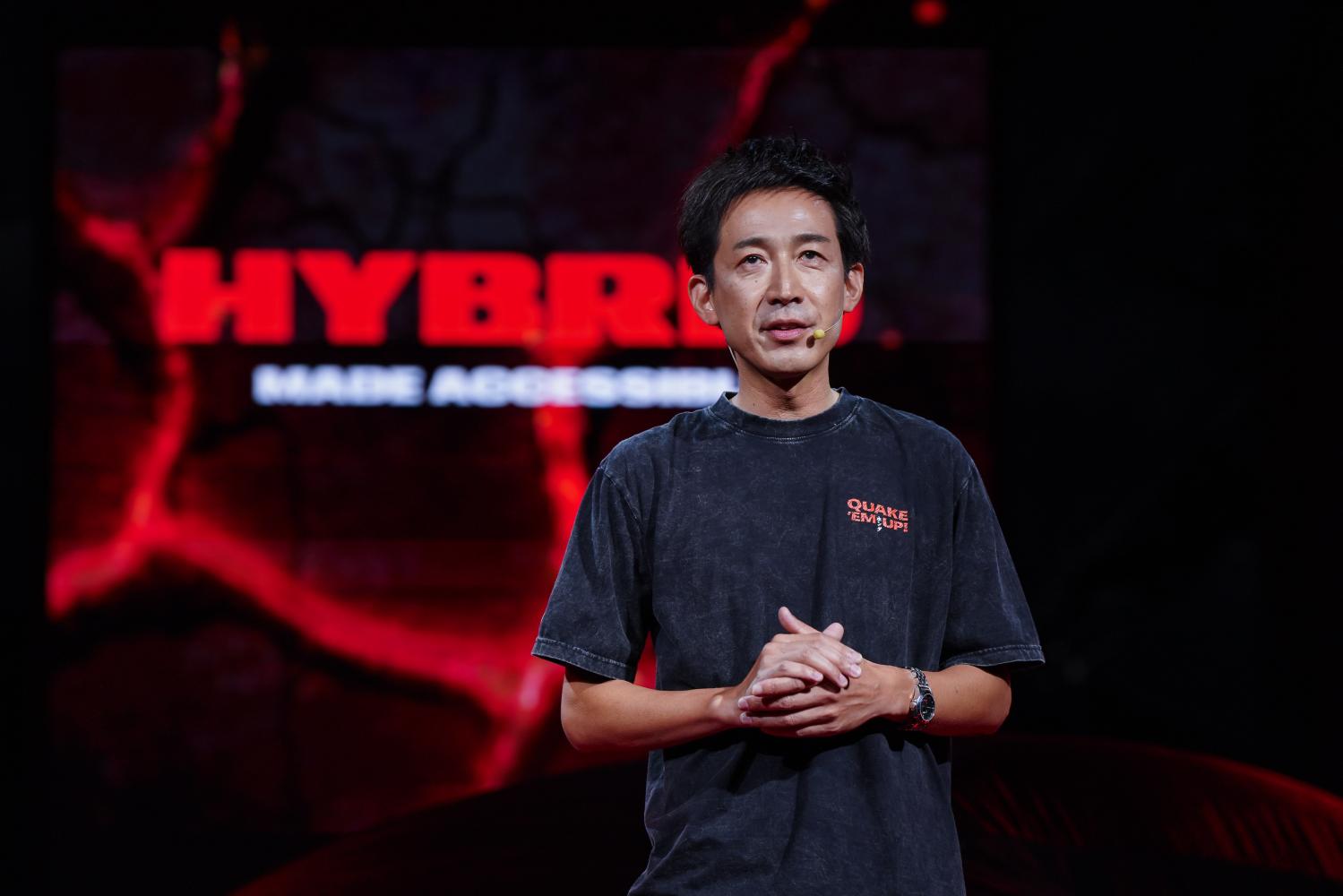
Honda Automobile (Thailand) is intensifying its strategy to challenge the Chinese-dominated electric vehicle (EV) market by making next-generation hybrid electric vehicles (HEVs) the cornerstone of its lineup. The company plans for nearly 90% of the cars it sells in Thailand to be HEVs by 2029. Honda is promoting its "e:HEV" technology, which combines an electric motor with a petrol engine that can switch between generating electricity and powering the wheels. Honda president and chief executive Koji Iwanami stated that the system offers significant advantages, including automatic recharging while driving and reduced fuel consumption, making it a cost-effective alternative to battery electric vehicles (BEVs). "Honda expects the e:HEV to outperform BEVs. These HEVs will help Japanese car makers gain market share in Thailand from Chinese BEVs," Mr Iwanami said. The company recently introduced four new Honda City models in Thailand: the e:HEV RS, e:HEV SV, e:HEV V, and VTEC Turbo. Honda projects sales of 40,000 units over one year, with 31,000 already sold between January and May 2026. Honda targets total car sales of 76,000 units in Thailand this year, while the domestic market is expected to total 660,000 units. Globally, Honda announced plans to cut the cost of its next-generation hybrid systems by more than 30% compared with previous versions, allowing the company to produce vehicles locally at competitive prices, directly challenging Chinese BEVs. "Honda's car prices should be more attractive to customers who want new technology but not BEVs," Mr Iwanami said. The company also urged the Thai government to extend local content requirements, currently applied to internal combustion engine (ICE) vehicles, to BEVs, ensuring that more than 90% of components are sourced domestically. Honda reaffirmed its commitment to Thailand as a key Southeast Asian hub, with its Prachinburi plant, built with a 17-billion-baht investment following the 2011 Ayutthaya floods, serving as a central manufacturing and export base. Shun Kuroda, chief officer for sales and services at Honda Automobile (Thailand), emphasized the company's focus on the B-segment subcompact market, citing its affordability, efficiency, and versatility. He added that Honda continues to invest in BEV technology alongside hybrids. Looking ahead, Honda forecasts that HEVs will capture 52% of Thailand's car market by 2029, followed by BEVs at 33%, ICE vehicles at 13%, and other technologies at 2%.

多角的分析

経済的影響

ホンダのハイブリッドEV(HEV)戦略は、タイにおける自動車市場の電動化シフトにおける重要な転換点を示唆している。中国製BEVが先行する中で、ホンダはHEVの技術的優位性とコスト競争力を武器に、従来のガソリン車からの乗り換え需要を狙う。これは、タイ政府が掲げるEV普及目標との整合性を図りつつ、国内自動車産業のサプライチェーンを維持・強化する狙いもある。HEVの普及は、充電インフラの制約や、電力供給能力への懸念といったタイ国内のEV導入における課題を回避する現実的な選択肢となり得る。また、ホンダによる次世代ハイブリッドシステムのコスト削減は、タイ国内での生産コスト低減に繋がり、より広範な顧客層へのアプローチを可能にするだろう。

投資家心理

ホンダのタイ市場におけるHEVシフトは、自動車セクターへの投資家にとって、市場の多様化とリスク分散の機会を提供する。中国製BEVの急速な台頭は市場のボラティリティを高めているが、ホンダのHEV戦略は、このリスクを緩和しつつ、新たな成長機会を捉えようとするものだ。特に、タイ政府への現地調達率引き上げ要求は、国内サプライヤーへの投資機会を示唆する可能性がある。また、HEVのコスト削減と現地生産能力の強化は、ホンダの収益性向上に寄与し、長期的な株価パフォーマンスに好影響を与える可能性がある。投資家は、HEV市場の成長予測、ホンダの販売実績、そしてタイ政府の政策動向を注視する必要がある。

社会的影響

ホンダのHEV戦略は、タイの一般消費者、特に都市部と地方のドライバー双方に影響を与える。HEVは、BEVと比較して航続距離の不安や充電インフラへの依存度が低く、タイの多様な地域における実用性が高い。岩並社長が指摘するように、HEVは燃費効率とランニングコストの面で経済的なメリットを提供し、特に燃料費の高騰に悩む家庭にとって魅力的な選択肢となる。また、ホンダがBセグメントに注力することは、手頃な価格帯で最新技術を求める若年層やファミリー層のニーズに応える。一方で、タイ政府への現地調達率引き上げ要求は、国内自動車部品産業の雇用維持・創出に繋がり、社会経済的な安定に寄与する可能性がある。ただし、BEV技術への投資も継続する姿勢は、将来的な技術変革への備えを示唆している。

市民の声

ホンダのHEV戦略は、タイの一般市民、特に自動車購入を検討している層にとって、選択肢の拡大と経済的なメリットをもたらす。岩並社長が強調するように、e:HEVシステムは、走行中の自動充電機能と優れた燃費性能により、日々の通勤や長距離移動における燃料費の負担を軽減する。これは、特に物価上昇が続くタイにおいて、家計にとって大きな助けとなる。また、ホンダがBセグメントのサブコンパクト市場に注力し、コスト競争力のある価格設定を目指すことは、手頃な価格で最新技術を求める多くの市民にとって朗報である。プラチンブリ工場への継続的な投資は、地域経済の活性化と雇用の安定にも寄与すると考えられる。市民は、ホンダの新しいHEVモデルが、従来のガソリン車からの乗り換えを現実的なものにするかどうかを注視するだろう。

背景・歴史的文脈

タイの自動車産業は、長らく日本メーカーが主導してきたが、近年、中国メーカーによるEV(特にBEV)の急速な市場浸透が進んでいる。タイ政府は、国内の自動車産業をEV時代に対応させるため、EV普及目標を設定し、インセンティブを提供している。しかし、充電インフラの未整備、電力供給能力への懸念、そして中国製BEVの圧倒的な価格競争力といった課題も存在する。このような状況下で、ホンダがHEVを次世代の主力と位置づけるのは、これらの課題を回避しつつ、既存の技術基盤とサプライチェーンを活かして市場シェアを維持・拡大しようとする戦略である。2011年のアユタヤ洪水後のプラチンブリ工場への大規模投資は、タイを東南アジアの生産拠点として位置づけるホンダの長期的なコミットメントを示している。

原文ソース

Bangkok Post

原文を読む