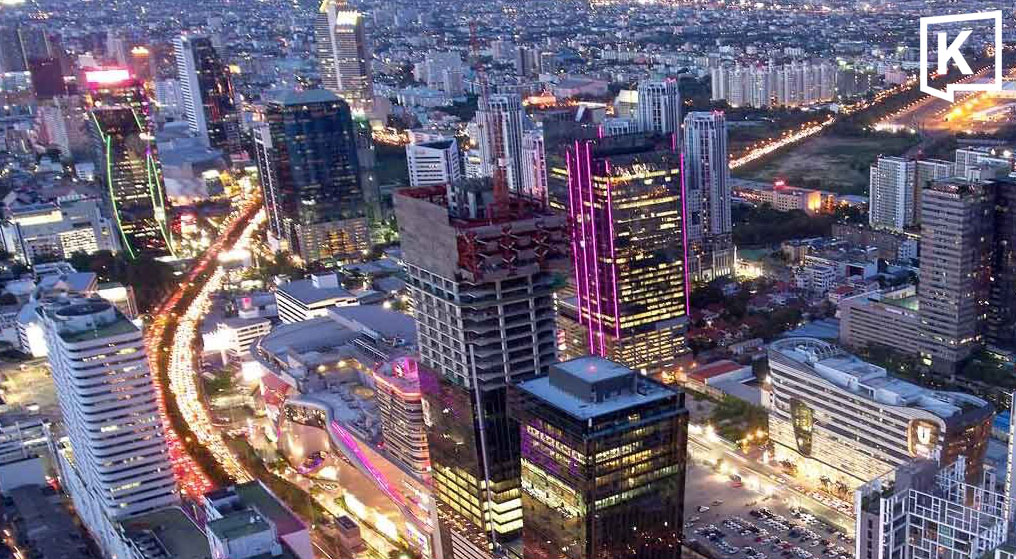
Bangkok Cracks Global Top 10 for Luxury Living Costs
Bangkok has entered the world's top 10 most expensive cities for luxury living for the first time, according to a new report by Swiss private bank Julius Baer. The Thai capital's rise reflects growing affluent consumer spending and the luxury goods market.
Bangkok has entered the world’s top 10 most expensive cities for luxury living for the first time, according to the Global Wealth and Lifestyle Report 2026 published by Swiss private bank Julius Baer. The Thai capital climbed from 11th place in 2025 to 10th this year, marking its first appearance in the top 10 since Julius Baer introduced the index in 2020. The ranking is based on the prices of 20 categories of premium goods and services across 25 cities worldwide, reflecting the cost of maintaining a high-end lifestyle for high-net-worth individuals. Julius Baer said the Asia-Pacific region remains a global wealth hub, with five cities in the top 10: Singapore, Hong Kong, Shanghai, Sydney and Bangkok. Bangkok’s rise reflects growth in the luxury goods market and spending among affluent consumers in the region. Singapore retained the top spot as the world’s most expensive city for luxury living for a fourth consecutive year, driven by property and vehicle costs, as well as the strength of the Singapore dollar. Zurich climbed to second place, while Monaco entered the top three for the first time. Hong Kong and London ranked fourth and fifth, respectively. The report also found that the global cost of luxury living rose by an average of 10.2% in US dollar terms in 2026. Key factors included stronger currencies in several countries and higher material prices, particularly gold, which pushed up the cost of luxury items such as jewellery and watches. Top 10 cities for luxury living costs in 2026 according: Singapore Zurich, Switzerland Monaco Hong Kong London, United Kingdom Shanghai, China Paris, France Sydney, Australia Milan, Italy Bangkok, Thailand The post Bangkok enters global top 10 for luxury living costs for the first time appeared first on Khaosod English.
多角的分析
バンコクが高級生活費でトップ10入りしたことは、タイ経済における所得格差の拡大と、富裕層に特化した市場の成長を示唆している。高級品やサービスの価格上昇は、インフレ圧力や輸入コストの増加、そして国内の需要構造の変化といった複数の要因が複合的に作用した結果と考えられる。特に、タイバーツの国際的な変動や、グローバルなサプライチェーンの動向が、高級品の価格設定に影響を与えている可能性が高い。これは、一般市民の生活コストへの直接的な影響とは異なるが、経済全体の二極化を浮き彫りにする指標と言える。
バンコクの高級生活費の上昇は、富裕層向けの不動産、高級小売、ホスピタリティ分野への投資機会を示唆する。しかし、これは同時に、これらのセクターにおける競争の激化や、価格設定のプレッシャーも意味する。投資家は、単に高級品市場の成長だけでなく、タイ経済全体の安定性、通貨リスク、そして規制環境の変化を慎重に評価する必要がある。特に、グローバルな経済動向や地政学的なリスクが、タイの富裕層の消費行動や投資環境に与える影響を注視すべきである。
バンコクの高級生活費の上昇は、都市部における所得格差の拡大という社会的な課題を浮き彫りにする。富裕層が享受するライフスタイルのコスト上昇は、一般市民の生活実感とは乖離しており、社会的な分断を助長する可能性がある。例えば、都心部の高級物件の価格高騰は、若年層や中間所得層の住宅購入をさらに困難にする。また、高級レストランやブランド品への支出増加は、一部の層に限定された経済活動であり、社会全体の幸福度や持続可能な発展に直接寄与するものではないという見方も存在する。
バンコク市民、特に一般層にとっては、高級生活費の上昇は直接的な生活への影響は少ないかもしれない。しかし、これは都市全体における物価上昇圧力や、富裕層向けのサービス・商品への投資が、一般市民向けのインフラやサービスに回されにくいという間接的な影響を示唆している可能性がある。例えば、高級ホテルや商業施設の建設が優先され、公共交通機関の拡充や低価格帯の住宅供給がおろそかになる、といった懸念が考えられる。また、メディアで報じられる高級ライフスタイルは、一般市民の経済的な現実とのギャップを強調し、不満や格差感を増幅させる可能性もある。
背景・歴史的文脈
バンコクが高級生活費でトップ10入りした背景には、タイ経済の構造的な変化がある。過去数十年間、タイは製造業からサービス業、特に観光業や金融業へと経済構造をシフトさせてきた。この過程で、都市部、特にバンコクには富裕層が集積し、彼らをターゲットとした高級消費市場が形成されてきた。2020年以降のCOVID-19パンデミックは一時的に観光客を激減させたが、回復期に入り、富裕層の国内消費や、周辺国からの富裕層の流入が高級品市場を後押ししていると考えられる。また、タイバーツの変動や、グローバルなインフレ圧力も、高級品の価格上昇に影響を与えている。
原文ソース
Khaosod English