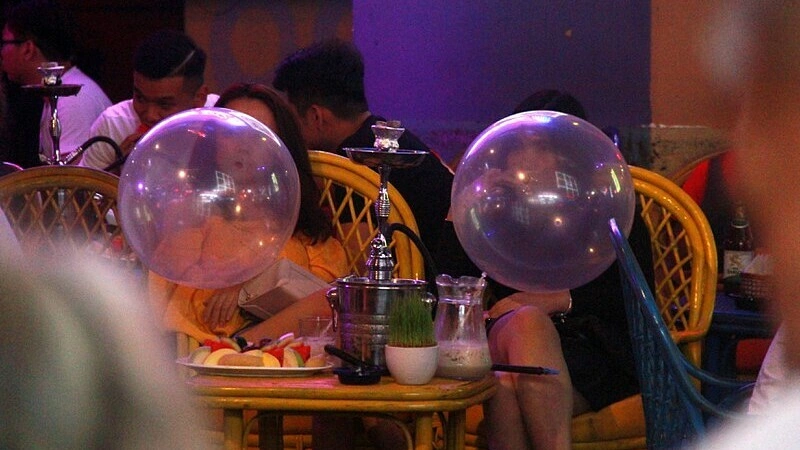
N2O 'Laughing Gas' Production and Trade to Face Harsher Penalties Under Revised Penal Code
Vietnam's Ministry of Justice has proposed amendments to the Penal Code to impose stricter penalties on the production, trade, and use of nitrous oxide (N2O), commonly known as 'laughing gas,' for non-medical purposes. The proposed revisions could result in sentences of up to 15 years in prison and fines of up to VND 2 billion (approximately $78,000), aiming to address health risks and public order issues associated with its recreational use, particularly among youth.
The Ministry of Justice of Vietnam has proposed the addition of new criminal offenses related to the production, trade, and use of nitrous oxide (N2O), commonly known as 'laughing gas,' for non-medical purposes. These proposed amendments are slated to be incorporated into the revised Penal Code in 2026 and are expected to be deliberated by the National Assembly in August. Under the proposed revisions, individuals involved in the production, trade, or business of N2O for unlawful purposes will face penalties ranging from a minimum fine of VND 200 million (approximately $7,800) to a maximum of VND 2 billion (approximately $78,000), or imprisonment for one to five years. For those dealing with larger quantities, specifically 3,000 liters or more, the prison sentence could extend up to 15 years. Similar penalties will apply to the illegal storage and transportation of N2O, with commercial entities also held criminally liable. The push for these legal changes stems from growing concerns over the health hazards and public order implications associated with N2O abuse. According to the Ministry of Health, inhalation of N2O can lead to paralysis, sensory disorders, mental health issues, spinal cord damage, and anemia. The recreational use of N2O via balloons has become prevalent in various establishments such as bars, karaoke venues, and hotels, posing a significant social challenge. Vietnamese authorities have intensified crackdowns on the illegal trade and use of N2O. In 2025 alone, 48 cases led to the indictment of 338 individuals, while 66 cases resulted in administrative sanctions for 92 people. Furthermore, over 16,500 cylinders and more than 57,000 kg of N2O have been confiscated. Currently, the Penal Code lacks specific provisions for N2O, forcing authorities to rely on existing articles such as 'Production or trading of banned goods' or 'Storage or transportation of banned goods.' The Ministry of Justice acknowledges that such flexible application may not accurately reflect the nature of the crime and could lead to misinterpretations. The proposed amendments aim to bridge this legal gap and enable more effective enforcement against unlawful N2O activities. As Vietnam continues its rapid economic development, the government faces the challenge of adapting its legal framework to address emerging criminal activities, ensuring social stability and public safety. The abuse of N2O, particularly among the youth, carries the potential for significant health problems and increased societal costs. This legislative move underscores one of the many challenges Vietnam is navigating to maintain societal well-being amidst its growth.
多角的分析
亜酸化窒素(N2O)の違法製造・販売・使用に対する罰則強化は、ベトナム経済における新たな規制リスクを示唆している。特に、罰金の上限が20億ドン(約1200万円)に達する可能性は、関連ビジネスへの投資や事業展開において、コンプライアンス遵守の重要性を一層高める。過去には、不法な水産物輸出や違法な土地取引などが、経済成長の影で問題視され、規制強化につながった事例もある。N2Oのような新たな規制対象の出現は、ベトナムにおけるビジネス環境の流動性を示しており、投資家は常に最新の法規制動向を注視する必要がある。
今回のN2O規制強化は、直接的な投資対象とはなりにくいが、ベトナムにおける法規制の厳格化と執行強化の兆候として注目すべきである。過去、ベトナム政府は経済成長を優先する一方で、環境汚染や社会問題に対しては、段階的に規制を強化してきた。N2Oの乱用が健康被害や治安悪化につながるという事実は、政府が社会秩序維持を重視する姿勢を示しており、今後、同様の社会問題に対して迅速かつ厳格な法規制を導入する可能性を示唆している。投資家は、ベトナムのビジネス環境における潜在的な規制リスクを常に評価し、コンプライアンス体制の強化が求められる。
N2O、いわゆる「笑気ガス」の乱用は、特に若年層の間で広がり、健康被害や治安悪化の懸念が高まっている。今回の法改正案は、これらの社会問題への政府の対応を示すものである。過去、ベトナムでは、若者の間で流行する薬物や違法な娯楽に対する取り締まりが強化されてきた。N2Oの吸引は、麻痺や精神障害などの深刻な健康問題を引き起こす可能性があり、これは個人の健康だけでなく、医療システムへの負担増大にもつながる。また、バーやカラオケ店などでの使用は、公共の場での秩序を乱す要因ともなり得る。法改正により、これらの行為に対する抑止力が働き、若者の健康と社会全体の安全が守られることが期待される。
今回の「笑気ガス」(N2O)に対する刑法強化は、若者や娯楽施設を利用する市民に直接的な影響を与える可能性がある。これまで、一部の若者の間で「風船」と呼ばれる吸引具を使ったN2Oの吸引が、手軽な「楽しみ」として行われてきた。しかし、今回の法改正により、製造、販売、さらには使用自体も厳しく罰せられることになる。これにより、これまでN2Oを販売していた事業者や、それを購入・使用していた個人は、法的なリスクに直面することになる。特に、バーやカラオケ店といった場所でのN2Oの提供や吸引が取り締まりの対象となり、これらの娯楽施設の運営にも影響が出る可能性がある。市民は、新たな法規制の内容を理解し、違法行為に該当しないよう注意する必要がある。
背景・歴史的文脈
ベトナムでは、経済成長に伴い、若者を中心に新たな消費文化や娯楽が生まれている。その一方で、健康被害や社会秩序の乱れにつながる行為も散見されるようになった。亜酸化窒素(N2O)、「笑気ガス」の乱用は、特に都市部で広がりを見せ、バーやカラオケ店などで「風船」を用いた吸引が流行した。この状況に対し、ベトナム政府は、国民の健康保護と社会秩序維持のため、法的な対応を強化する必要性を認識した。現行法ではN2Oに対する明確な規定がなかったため、法的な空白が生じていた。これを解消するため、法務省は刑法改正案を提出し、N2Oの違法製造・販売・使用に対する罰則を大幅に引き上げることを提案した。これは、ベトナムが経済発展と社会の健全な発展の両立を目指す上での、法制度整備の一環と言える。
原文ソース
VnExpress