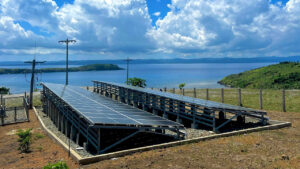
Philippines Eyes Green Energy Auction for Remote Areas
The Philippine government plans a new Green Energy Auction (GEA) targeting remote areas dependent on diesel power, aiming to accelerate their transition to renewable energy. The initiative seeks to boost private investment and provide more affordable, reliable electricity.
This article requires PRO
This article is outside the free access window or is a special report. PRO unlocks it and the full archive.
Related articles
- Tulfo Files Bills to Exempt System Loss Charges from VAT, Repeal Energy Tax
Senator Erwin Tulfo has filed bills in the Philippine Senate seeking to exempt system loss charges from value-added tax (VAT) and repeal energy taxes, aiming to alleviate the financial burden on consumers.
- Philippines Eyes Green Auction for Off-Grid Areas
The Philippines' Department of Energy is planning a green energy auction (GEA) to promote renewable energy in remote, off-grid areas currently reliant on diesel. The initiative aims to reduce electricity costs and accelerate the transition to sustainable power sources.
- Red Sea Chokepoint Blockade Sparks Philippine Energy Supply Concerns
Houthi militants, allied with Iran, have closed the Bab el-Mandeb Strait in the southern Red Sea, creating a second major threat to oil transit routes. The Philippines, which imports 98% of its crude oil from the Middle East, faces heightened concerns over energy supply stability and rising prices.
- Four Months into Energy Emergency: Philippines' Response and Way Forward
The Philippines faces an energy crisis due to rising oil prices from Middle East tensions. Despite declaring a national energy emergency, the impact on citizens is significant, raising questions about the effectiveness of government responses.