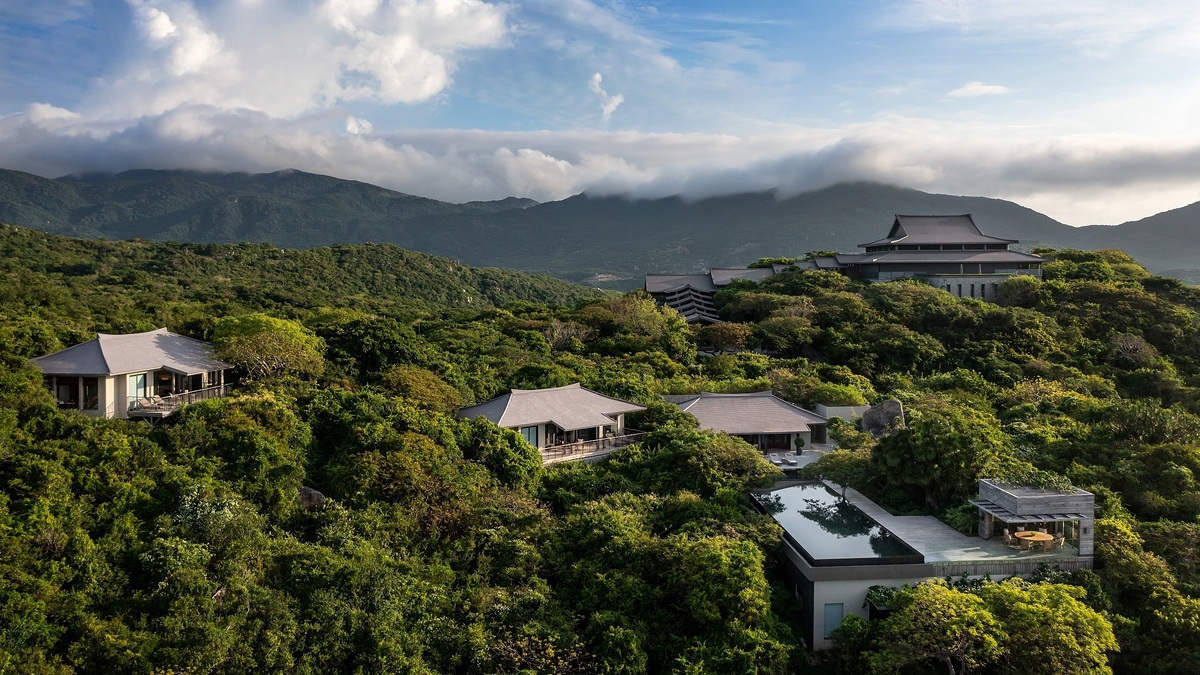
Amanoi Vietnam Invests VND 800 Billion for 10 New Rooms: Why the Ultra-Luxury Bet?
Vietnam's ultra-luxury resort Amanoi plans to invest VND 800 billion (approximately $32 million USD) to add just 10 new rooms. This translates to an investment of VND 80 billion ($3.2 million USD) per room, an exceptionally high figure for Vietnam and the region. However, the resort justifies this as a strategic move catering to its ultra-luxury clientele.
This article requires PRO
This article is outside the free access window or is a special report. PRO unlocks it and the full archive.
Related articles
- Vietnam Ranks Second Globally in Tourist Arrivals
Vietnam welcomed a record 12 million tourists in August, becoming the world's second most visited country. This marks an exceptional growth amid declining tourist arrivals in many nations due to the Middle East crisis.
- Vietnam Youth Federation Congress Vows to Foster Patriotism and Cultural Promotion
The 9th National Congress of the Vietnam Youth Federation (VYF) concluded in Hanoi, underscoring the commitment of young people to patriotism and cultural promotion. The congress affirmed the incorporation of Party guidance into future action plans to energize youth movements.
- Vietnam's International Arrivals Recovering, Boosting Tourism Targets
Vietnam welcomed 17.7 million international visitors from January to September, achieving 71% of its 2026 target of 25 million. Growth is particularly strong from European markets, indicating a diversification of the tourism landscape.
- Muong Lo Culture and Tourism Festival to Showcase Thai 'Xoe' Dance
The Muong Lo Culture and Tourism Festival, themed 'Essence of Thai Xoe Dance - Colors of the Northwest,' will be held in Vietnam's northwestern Lao Cai province from October 16-21, 2026. The event commemorates the 5th anniversary of Thai Xoe dance's inscription on the UNESCO Intangible Cultural Heritage list, aiming to preserve tradition and boost regional tourism.