General articles are free for 24 hours after publish.
Philippines Sugar Output Seen Dropping 10% Due to Pest Infestation
Philippine sugar production is projected to fall by 10% in the upcoming milling season due to the persistent impact of the red-striped soft scale insect (RSSI). Authorities are ruling out imports, stating domestic demand will be met.
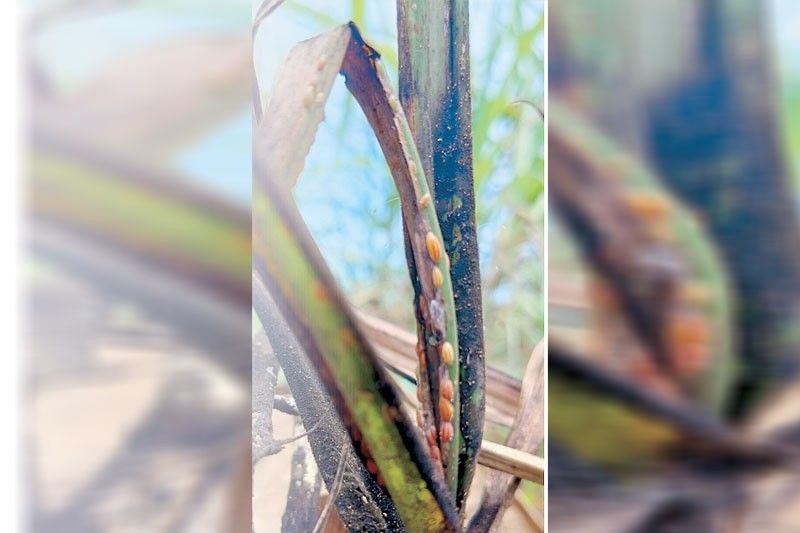
MANILA, Philippines — The country’s sugar production could decline by 10 percent for the incoming milling season due to the continued effects of the red-striped soft scale insect (RSSI) on sugarcane plantations, the Sugar Regulatory Administration said. SRA administrator Pablo Luis Azcona said sugar output could drop to 1.66 million metric tons (MT) in the 2026 to 2027 milling season, lower than the 1.85 million MT produced during the 2025 to 2026 season. “But that’s an early estimate. We will come up with a mid-milling estimate before the end of the milling season,” he added. This marks the second straight year sugar production posts a decline as the country continues to grapple with sugarcane pests. Local sugar output dropped by 11 percent during the previous milling season. An outbreak was confirmed in Negros Occidental last year and has since spread across the island and into nearby provinces. First detected in the Philippines in 2022, RSSI continues to endanger the sugar industry, feeding on cane fluids and slashing sugar content by as much as 50 percent. Despite the projected drop in local production, the SRA said it is ruling out a potential import policy for sugar, as current stock remains sufficient to meet local demand. “We are still above our stock level threshold. So, we are still safe for now,” Azcona said. The country’s raw sugar supply was logged at 2.18 million MT, while refined sugar stocks are at 1.27 million MT, according to SRA data as of Aug. 16. Meanwhile, Azcona noted that the agency’s recent tightening of artificial sweeteners would also boost demand for locally produced sugar. The SRA imposed a P25-per-kilo clearance fee on the importation of artificial sweeteners and required a regulatory clearance from the agency under Sugar Order 5, which ended years of unregulated entry. “The replaced artificial sweeteners based on equivalent sugar are around 750,000 to 800,000 MT,” he added. He said that if the industry can fill the gap left by artificial sweeteners, it could drive stronger demand for locally produced sugar.
Original source
Philstar Business