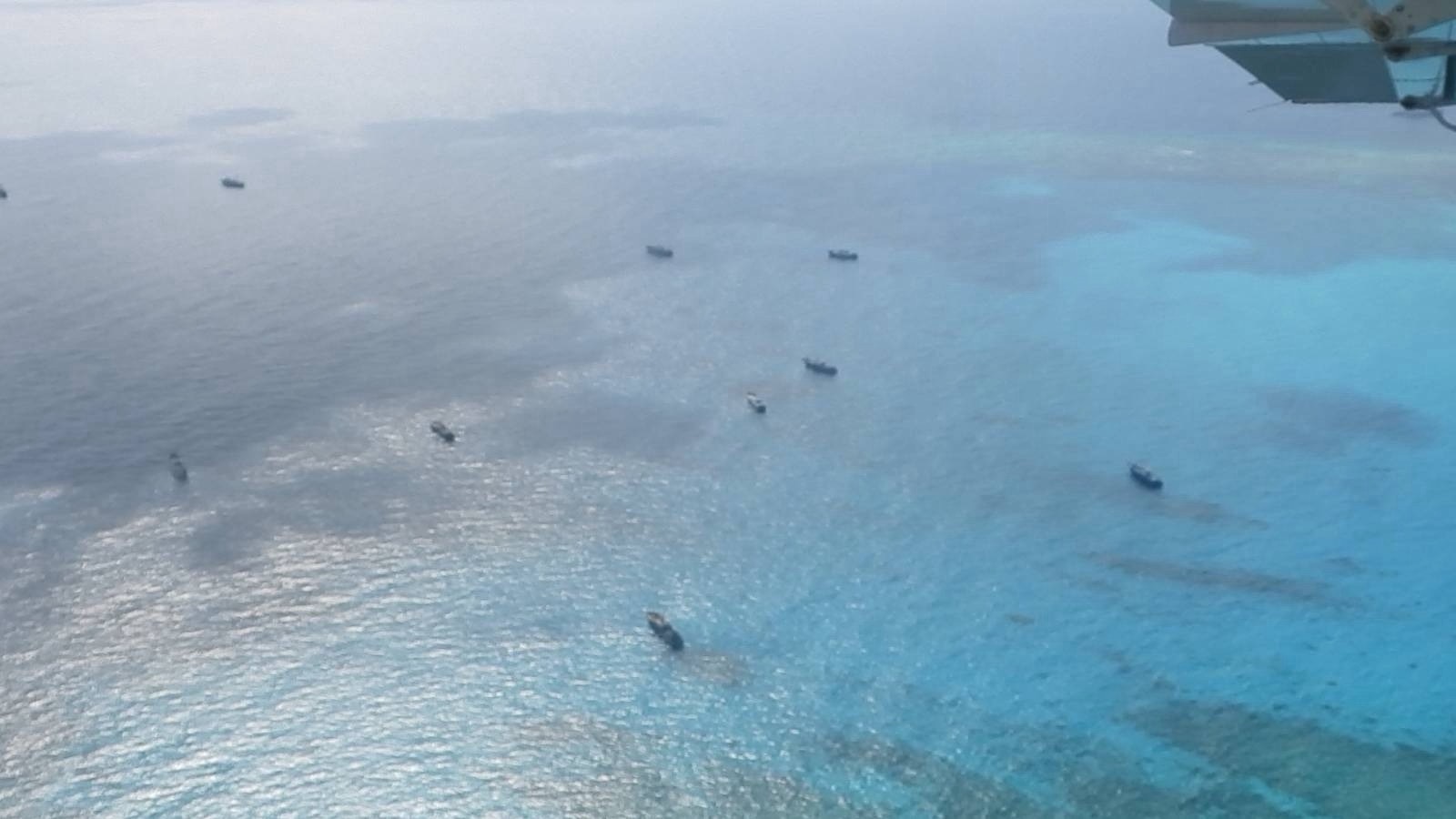
24 Chinese Vessels Monitored in WPS in Past Week, Says PCG
The Philippine Coast Guard (PCG) reported monitoring 24 Chinese vessels, including 21 China Coast Guard (CCGV) ships and three People’s Liberation Army Navy (PLAN) vessels, in key features of the West Philippine Sea from July 7 to 13. Scarborough Shoal saw the highest concentration with 13 CCGV vessels.
This article requires PRO
This article is outside the free access window or is a special report. PRO unlocks it and the full archive.
Related articles
- Prosecution Eyes Records of VP-Linked Group Over China Donations
The House prosecution in the impeachment trial of Vice President Sara Duterte is considering seeking financial records of a group linked to the Vice President, following allegations of donations from China raised by a senator.
- Philippines, Poland Ink Pact to Bolster Legal Assistance in Criminal Cases
The Philippines and Poland have signed an agreement to strengthen mutual legal assistance in criminal matters, paving the way for easier extradition and deeper cooperation in defense, cybersecurity, and agriculture.
- Multi-country remittances totaling P50 million flow into Duterte-linked firm, raising money laundering concerns
Nearly P50 million in remittances flowed into a food company linked to the husband of Philippine Vice President Sara Duterte, originating from eight countries besides China. Concerns have been raised due to some source countries' reputations for money laundering, prompting scrutiny of regulatory responses.
- Four Filipina Executives Named to Fortune's Asia Power List
Four Filipina executives have been recognized in Fortune Magazine's "100 Most Powerful Women in Asia" list. Martha Sazon, President and CEO of GCash, secured the highest rank at 35th, highlighting the growth of Philippine companies and the increasing influence of women leaders in the Asian economy.