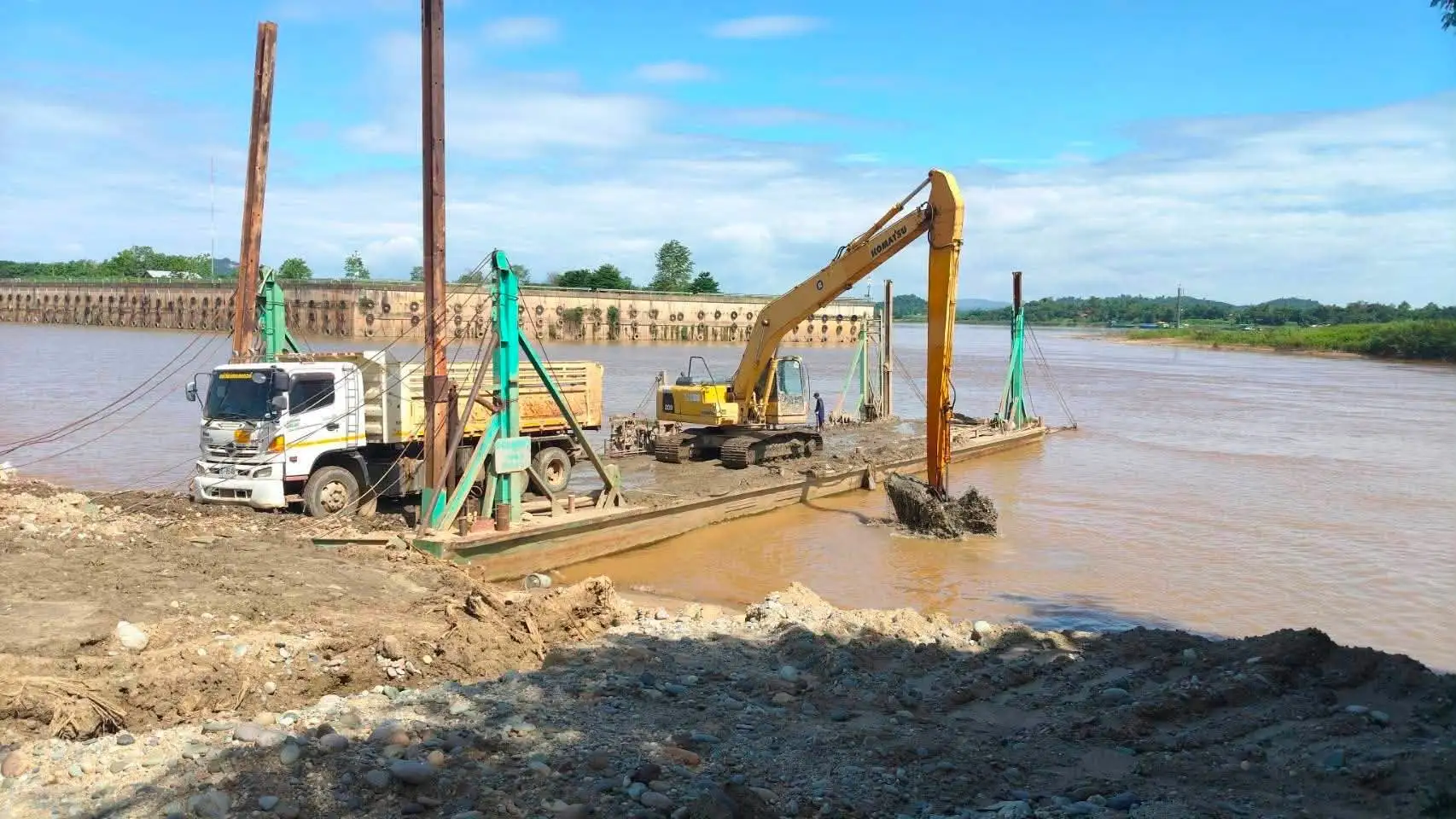
Mekong River Sand Sale Sparks Toxic Heavy Metal Fears in Chiang Rai
Concerns over toxic heavy metals have arisen in Chiang Rai regarding the sale of sediment dredged from the Mekong River. Authorities assure it's old material and safe, proposing independent testing for transparency.
CHIANG RAI – Serious concerns have emerged in Thailand's northern province of Chiang Rai over potential toxic heavy metal contamination from the sale of sediment dredged from the Mekong River. The Marine Department’s Waterway Maintenance Office 7 announced the sale of over 322,789 cubic meters of sand and dirt, dredged from the Mekong River near the Chiang Saen Commercial Port No. 2. While interested buyers were allowed to inspect the site on July 1, residents quickly raised alarms about hidden toxic dangers within the river mud. This public panic stems from official water quality reports in the northern region. The Pollution Control Department has repeatedly tested the Mekong River area, revealing dangerous levels of heavy metals in the riverbed. Since May 2025, environmental tests have shown arsenic levels exceeding safe limits, with some sediment samples containing a shocking 94 milligrams per kilogram. Elevated levels of cadmium and chromium have also been found at several local checkpoints. These toxic metals can cause severe health problems if they spread into local communities. Buyers often use this dredged sand for local construction and land-filling projects, meaning the use of contaminated soil could directly threaten public health and local groundwater supplies. Following intense online criticism, the Chiang Rai Marine Office responded swiftly. They coordinated with Waterway Maintenance Office 7 to clarify the dredging project’s true goals. Officials explained the project is vital for safe boat navigation in the busy river, maintaining deep shipping channels for large cargo vessels and ensuring smooth water flow from the Kok River into the Mekong. This process helps prevent seasonal flooding and supports local trade around the Chiang Saen port. The Marine Office stressed that the sediment currently being sold is strictly old material dug up in past years, from routine dredging work completed in 2021, 2022, and 2024. They confirmed that no newly dredged material from 2026 is being sold, aiming to reassure the public that the currently available dirt is safe and was removed long before recent heavy metal spikes were recorded. To build public trust, the Chiang Rai Marine Office extended an open invitation to all relevant government agencies to thoroughly test the stockpiled materials. These independent laboratory tests will verify the absence of any dangerous heavy metals. Regional authorities hope this transparency will ease the fears of local buyers and residents, ensuring the safety of anyone using the soil for construction. The health and safety of the local community remain their top priority during this sale.
多角的分析
メコン川流域の浚渫土砂販売は、インフラ開発や建設資材の供給源として経済活動に寄与する可能性がある。しかし、有害重金属の混入リスクは、建設コストの増加(汚染除去や代替資材調達)や、長期的な環境修復コストにつながりかねない。特に、地域経済が河川環境に依存している場合、汚染は観光業や漁業にも打撃を与え、経済的損失を拡大させる恐れがある。
投資家にとって、このニュースは環境リスク管理の重要性を示唆している。建設資材やインフラ関連プロジェクトへの投資を検討する際、サプライチェーンにおける環境汚染のリスクを評価する必要がある。また、環境規制の強化や、汚染物質の検出・除去技術への投資機会も生まれる可能性がある。
チェンライ住民の懸念は、日々の生活環境への直接的な影響に対する不安の表れである。特に、子供たちの健康や、将来世代への環境負荷を憂慮する声は大きい。当局が過去の資材であると説明しても、重金属汚染の事実自体が、地域住民の健康と安全に対する信頼を揺るがし、政府への不信感につながる可能性がある。
チェンライの市民は、自分たちの生活空間が汚染されるリスクに直面している。過去の環境汚染の事例や、重金属がもたらす健康被害(がん、神経障害など)に関する情報が広まるにつれ、不安は増幅している。当局の発表だけでは納得せず、独立した検査結果や、汚染物質の拡散防止策、被害発生時の補償体制などを求めている。
背景・歴史的文脈
メコン川は、タイ、ラオス、ミャンマー、中国(雲南省)など多国にまたがる国際河川であり、流域住民の生活基盤となっている。近年、中国南部やラオスでの鉱業活動、森林伐採、無計画な都市開発などが原因で、メコン川の環境汚染が指摘されてきた。特に、鉱山排水に含まれる重金属(ヒ素、カドミウム、鉛など)は、河川の堆積物に蓄積されやすく、生態系や人々の健康に深刻な影響を与える。2025年5月以降に観測されたヒ素レベルの上昇は、こうした広範な環境問題の一端を示唆しており、今回の土砂販売問題は、その影響が地域社会に及ぶ可能性を示唆している。
原文ソース
Chiang Rai Times