Philippines Eyes More Regional Minimum Wage Hikes Amid Inflation
Business
2026年7月8日
5
BusinessWorld Nation

Philippines Eyes More Regional Minimum Wage Hikes Amid Inflation

AI サマリー

Following a record minimum wage hike in Metro Manila, the Philippines is set to implement further regional wage increases later this year. President Marcos stated that regional wage boards are studying local economic conditions to determine appropriate adjustments.

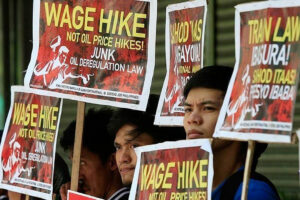
MORE regions could raise minimum wages later this year after Metro Manila approved a record P85 daily increase, with President Ferdinand R. Marcos, Jr. saying regional wage boards are reviewing whether similar adjustments are warranted based on local economic conditions. “The Regional Tripartite Wage Boards are continuously studying what the actual prices are in each region so that wage rates can be set appropriately, if a wage increase is needed,” Mr. Marcos told reporters in Filipino in Pulilan, Bulacan province on Wednesday. “The first was the NCR (National Capital Region), where the wage hike was P85,” he said. “This is the highest wage increase in the entire history of the Philippines, particularly in Metro Manila.” Mr. Marcos said regional wage boards are expected to complete their reviews later this year, with additional wage orders likely to be issued around September or October. “The next ones will be the other regions, but that will still take some time — some are expected around September or October,” he said. “Once they finish their studies, we will also release the results and the recommendations of our tripartite wage boards in the different regions.” The Department of Labor and Employment last month approved an P85 increase in the daily minimum wage for private-sector workers in Metro Manila, raising the minimum daily pay to P730 for non-agriculture workers and P693 for workers in agriculture, retail and service establishments employing 15 workers or fewer, and manufacturing firms with fewer than 10 regular employees. Regional Tripartite Wages and Productivity Boards are mandated under Philippine law to set minimum wages in their respective jurisdictions based on inflation, the cost of living, employment conditions, business viability and regional economic conditions. Any wage increase outside Metro Manila requires approval by the corresponding regional wage board after consultations with representatives from labor, employers and the government. Labor groups have continued to press for higher wages to help workers cope with rising living costs, while business groups have urged wage boards to consider employers’ capacity to absorb higher labor costs, particularly among micro, small and medium enterprises. The outcome of the regional wage reviews will determine whether additional minimum wage increases are implemented in the remaining months of 2026. — Erika Mae P. Sinaking

多角的分析

経済的影響

フィリピン経済における最低賃金の上昇は、インフレ抑制と購買力維持という二律背反の課題を抱えています。今回の首都圏での大幅な賃上げは、労働者の生活水準向上に寄与する一方、特にMSME(零細・中小企業)にとっては、人件費増加による経営圧迫のリスクを高めます。過去の事例では、賃上げが物価上昇をさらに加速させ、実質賃金が伸び悩む「賃金・物価スパイラル」に陥るケースも少なくありません。地域ごとの経済状況の差を考慮した慎重な賃金設定が、全体的な経済の安定と持続的な成長に不可欠です。

投資家心理

フィリピンにおける地域別の最低賃金引き上げの動きは、投資家にとって人件費コストの上昇リスクを意味します。特に、労働集約型の産業やMSMEへの投資を検討している場合、賃上げの影響は無視できません。しかし、一方で、購買力の向上は国内消費の活性化につながる可能性もあり、消費関連セクターへの投資機会も生まれるかもしれません。地域ごとの賃金水準の動向と、それに対する企業の対応策(生産性向上、自動化など)を注視することが重要です。また、賃上げがインフレをさらに悪化させる場合、中央銀行の金融政策にも影響を与える可能性があります。

社会的影響

最低賃金の引き上げは、多くのフィリピン国民、特に低所得層の生活に直接的な影響を与えます。首都圏での記録的な賃上げは、一部の労働者にとっては朗報ですが、全国的な物価上昇が続く中で、その恩恵がどこまで行き渡るかは未知数です。地方都市や農村部では、都市部との経済格差から、賃上げの恩恵が限定的になる可能性も指摘されています。また、企業側、特にMSMEの経営者にとっては、人件費の増加が事業継続の危機に直結するケースもあり、雇用維持との間で難しい判断を迫られることになります。地域社会における経済的摩擦の火種となる可能性も否定できません。

市民の声

今回の最低賃金引き上げの動きは、マニラ首都圏に住む多くの労働者にとって、日々の生活費の負担を少しでも軽減できるかどうかの期待につながっています。しかし、首都圏でP85の賃上げがあったとしても、それが全国の他の地域にそのまま適用されるわけではなく、地方に住む家族や友人との間で、経済的な格差への懸念が生じるかもしれません。特に、食料品や日用品の価格が依然として高止まりしている現状では、賃上げの効果は限定的になるのではないかという声も聞かれます。企業側が人件費の増加を価格転嫁した場合、かえって物価がさらに上昇し、生活が苦しくなることを心配する市民もいます。

背景・歴史的文脈

フィリピンにおける最低賃金制度は、1951年のRepublic Act No. 602(Minimum Wage Law)によって確立されました。その後、経済状況やインフレ率に応じて、地域三者構成賃金・生産性委員会(RTWPB)が各地域の最低賃金を設定・改定する権限を持つようになっています。過去にも、労働者団体は物価上昇への対応として賃上げを強く要求し、企業団体は経営への影響を懸念して慎重な姿勢を示すという、労使間の対立が繰り返されてきました。特に、2022年以降のインフレ率の高止まりは、国民生活を圧迫し、賃上げ要求を一層強めています。今回の首都圏でのP85という大幅な賃上げは、こうした背景を受けたものであり、他の地域への波及効果と、それに伴う経済への影響が注目されています。

原文ソース

BusinessWorld Nation

原文を読む