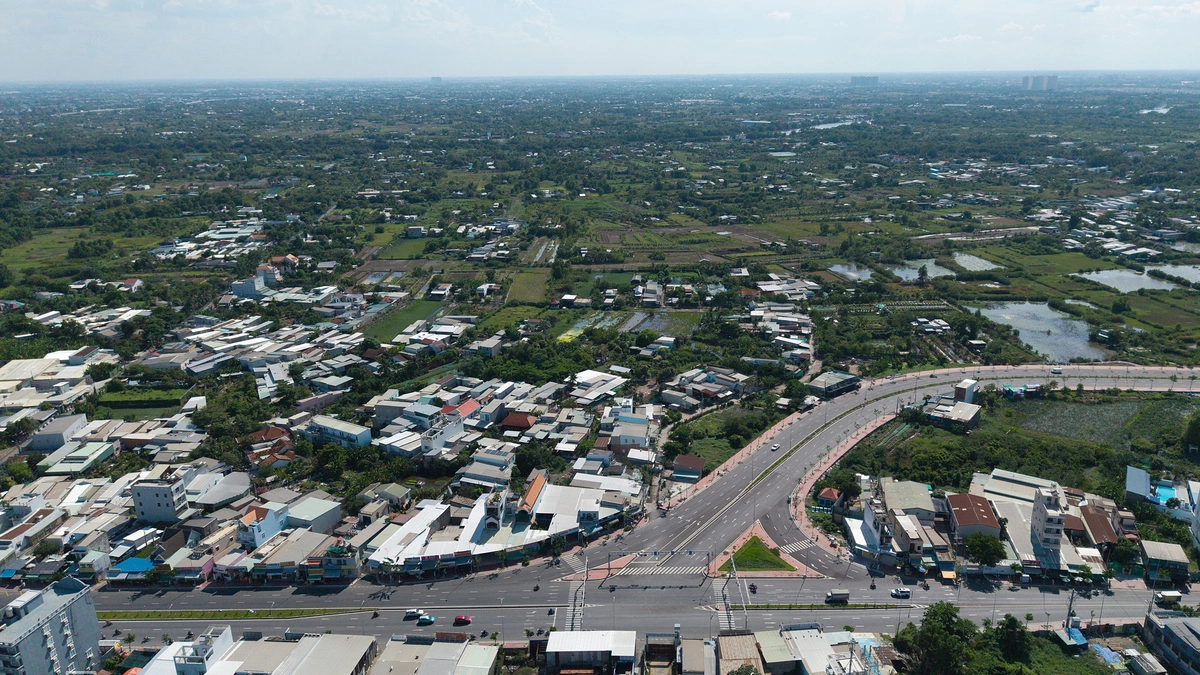
Ho Chi Minh City Housing Prices Plummet Amidst Suburban Development
Economy
2026年7月12日
5
VnExpress

Ho Chi Minh City Housing Prices Plummet Amidst Suburban Development

AI サマリー

Ho Chi Minh City's housing prices have fallen by nearly 30% year-on-year due to increased supply from large-scale suburban development projects. This reflects a shift in supply from inner-city areas to the outskirts and a cautious buyer sentiment.

The primary selling price of landed houses in Ho Chi Minh City has fallen by nearly 30% compared to the same period last year, according to CBRE. This decline is primarily attributed to a shift in supply structure, with new offerings increasingly coming from large-scale development projects in suburban areas rather than the inner city. CBRE's second-quarter report indicates that the average primary selling price for landed houses (villas and townhouses) in Ho Chi Minh City reached approximately VND 216 million per square meter of land. This represents a 3% decrease from the previous quarter and a significant 29.5% drop year-on-year. The main driver of this price reduction is the change in the supply mix. In the past quarter, Ho Chi Minh City saw 1,934 new landed housing units launched, all part of a mega-project in Hoc Mon district. With a land price of around VND 127 million per square meter, considerably lower than existing projects in the East (VND 200-300 million per square meter), this new supply has pulled down the overall market's average selling price. JLL Vietnam has recorded a similar trend. In the first half of the year, approximately 4,100 landed housing units were newly launched, mainly in suburban mega-projects such as The Global City, Senturia An Phu, and Vinhomes Saigon Park. These lower-priced new supplies have caused the average primary selling price to drop to about VND 195 million per square meter, a 56% decrease compared to the same period last year. This development indicates that Ho Chi Minh City's landed housing market is establishing a new price benchmark, driven by a supply shift from high-priced inner-city areas to large-scale, more accessible suburban developments. Beyond price levels, market liquidity has also improved due to increased supply. CBRE reported an absorption rate of about 40% in the second quarter, with transactions coming from both new supply and existing project inventory. JLL noted around 4,250 successful transactions in the first half of the year, primarily concentrated in mega-projects or well-planned residential areas with complete amenities. Amidst persistently high interest rates, deferred payment schedules and financial support from developers continue to be key factors in sustaining purchasing power. Ms. Duong Thuy Dung, Executive Director of CBRE Vietnam, noted that despite improvements in supply and demand, buyers remain cautious due to inflation pressures, high interest rates, and global economic uncertainties. Unlike previous growth cycles, buyers now prioritize financial safety, limit leverage, and focus on projects with transparent legal status, practical utility, and long-term growth potential. This trend directs capital towards projects with favorable locations, integrated infrastructure, and sound development. Ms. Le Thi Huyen Trang, General Director of JLL Vietnam, believes that intensified infrastructure investment and new land policies are expanding Ho Chi Minh City's development space, driving the shift of supply and capital from the center to new growth corridors. She foresees that urban development linked with metro systems, Ring Road 3, and inter-regional connections will lay the foundation for a new market development cycle, while also boosting large-scale projects in the East, South, and adjacent areas. CBRE forecasts that the supply of landed houses will continue to improve as more mega-projects are rolled out. The firm estimates around 6,000 new units will be launched in 2026 and potentially exceed 15,000 products by 2028. The increasing supply is expected to gradually alleviate the prolonged scarcity and offer more choices for genuine homebuyers and long-term investors.

多角的分析

経済的影響

ホーチミン市の一戸建て住宅価格の下落は、不動産市場における構造的な変化を示唆しています。これは、供給サイドが内陸部の高価格帯から郊外の低価格帯へとシフトしたことが直接的な原因ですが、背景にはベトナム経済全体のインフレ圧力、高金利、そして世界経済の不確実性といったマクロ経済要因が、消費者の購買行動に慎重さをもたらしていることが挙げられます。開発業者による支払い猶予や金融支援策が依然として必要とされている点は、市場の回復力がまだ限定的であることを示唆しています。将来的な供給増加の見通しは、住宅価格の安定化に寄与する可能性がありますが、実需と投機的な需要のバランスが鍵となります。

投資家心理

投資家にとって、ホーチミン市の一戸建て住宅価格の下落は、短期的なリターンの低下を示唆しますが、長期的な視点では、より手頃な価格で優良な不動産を取得する機会ともなり得ます。郊外の大規模開発プロジェクトは、インフラ整備と連携して将来的な価値上昇のポテンシャルを秘めています。しかし、現在の買い手の慎重な姿勢と高金利環境は、投資判断においてリスク管理の重要性を高めています。法的な透明性、実用性、長期的な成長見込みのあるプロジェクトへの投資が引き続き重視されるでしょう。供給過多のリスクも考慮し、分散投資や慎重なデューデリジェンスが求められます。

社会的影響

ホーチミン市における住宅価格の変動は、都市住民の生活に直接的な影響を与えています。郊外への開発シフトは、都市部への通勤時間の増加や、インフラ整備の遅れによる生活の質の低下といった課題を生む可能性があります。一方で、手頃な価格帯の住宅供給が増えることは、これまで住宅購入を諦めていた層にとって、マイホーム取得の機会を広げる可能性があります。しかし、買い手の「安全志向」の高まりは、投機的な不動産投資から実需へのシフトを示唆しており、これは住宅市場の健全な発展に繋がる一方で、一部の投資家には厳しい状況をもたらすかもしれません。法的に透明性の高いプロジェクトへの集中は、市場の信頼性向上に寄与すると考えられます。

市民の声

ホーチミン市で一戸建て住宅の購入を検討している市民にとって、価格が約30%も下落したというニュースは、大きな関心事です。特に、これまで内陸部の高価格帯に手が届かなかった層にとっては、郊外の新しい開発プロジェクトが購入のチャンスとなる可能性があります。しかし、記事にあるように、多くの買い手がインフレや高金利の影響で依然として慎重な姿勢をとっていることも事実です。郊外への移住は、通勤時間の増加や生活インフラへのアクセスといった新たな課題も伴うため、単なる価格だけでなく、総合的な生活の質を考慮した判断が求められます。開発業者が提供する支払い猶予や金融支援策は、購入のハードルを下げる一因となるでしょう。

背景・歴史的文脈

ベトナム、特にホーチミン市では、過去数十年間にわたり急速な都市化と経済成長が進み、不動産市場は常に活況を呈してきました。しかし、近年の急速な開発は、都心部への人口集中とそれに伴う住宅価格の高騰を招き、多くの市民にとって住宅購入が困難な状況を生み出しました。これに対し、政府はインフラ投資の強化や、郊外における大規模開発プロジェクトの推進を通じて、住宅供給の逼迫緩和と価格安定化を図ろうとしています。今回の価格下落は、こうした政策的な意図と、市場の供給構造の変化が複合的に作用した結果と考えられます。特に、環状3号線などのインフラ開発は、郊外エリアの不動産価値に新たな可能性をもたらしています。

原文ソース

VnExpress

原文を読む