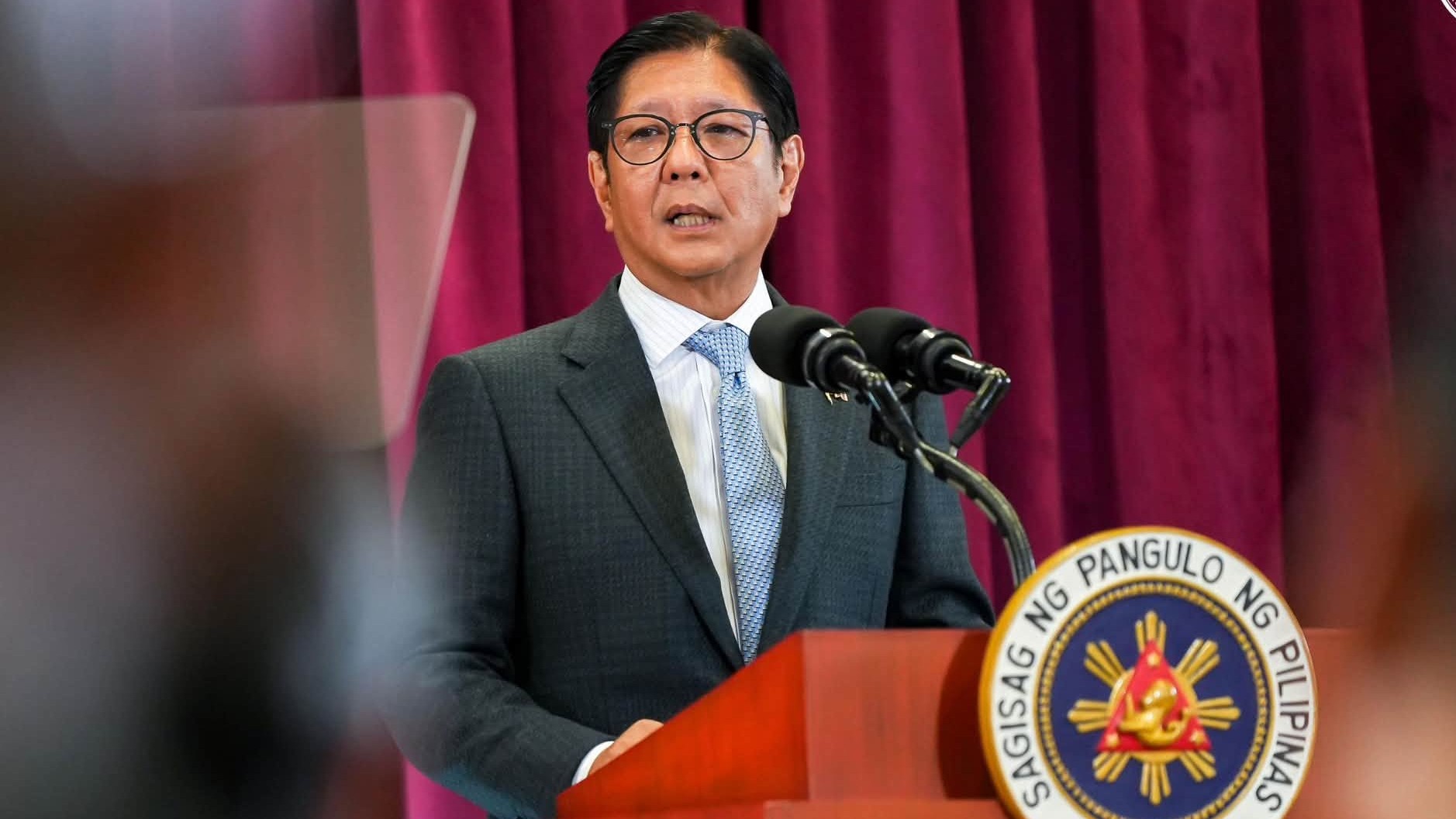
Philippines Ascends to Upper-Middle-Income Status After Four Decades
Economy
2026年7月2日
5
GMA Money Philippines

Philippines Ascends to Upper-Middle-Income Status After Four Decades

AI サマリー

The Philippines has officially been reclassified as an upper-middle-income country by the World Bank, a milestone not achieved in nearly four decades. President Marcos hailed this as a testament to his administration's economic policies, anticipating increased investment and tangible benefits for Filipino families.

The Philippines has officially ascended to upper-middle-income country status, a significant economic milestone achieved after nearly four decades. President Ferdinand “Bongbong” Marcos Jr. lauded the reclassification as a testament to the effectiveness of his administration’s economic policies. According to the Department of Economic Planning and Development (DEPDev), the World Bank confirmed the Philippines’ new status after its per capita Gross National Income (GNI) exceeded the threshold for upper-middle-income economies. The World Bank reported that the country’s GNI per capita reached $4,850 in 2025, surpassing the $4,636 threshold for this category. The Philippines had remained a lower-middle-income economy since 1987. President Marcos attributed the upgrade to steady economic growth, a broadly stable currency, and long-term reforms implemented despite global economic challenges. He expressed optimism that the new classification will boost investor confidence and generate more economic opportunities. “Greater confidence means more investments. More investments mean more businesses, better quality jobs and more opportunities for Filipino families,” Marcos stated. The DEPDev highlighted that a consistent Gross Domestic Product (GDP) growth averaging 5.8 percent from 2021 to 2025 underpinned this upgrade. Finance Secretary Ralph Recto emphasized that this is more than just a title, signifying a growing economy, increased job creation, higher incomes for citizens, and enhanced investor trust. However, the government acknowledges that the true measure of success lies in the tangible benefits felt by every Filipino family. Priorities moving forward include curbing inflation, protecting jobs, strengthening purchasing power, attracting investments, accelerating infrastructure projects, improving the ease of doing business, and enhancing education and workforce skills to ensure more Filipinos rise out of poverty and experience improved livelihoods. With this reclassification, the Philippines now joins other upper-middle-income economies in the region such as China, Malaysia, Thailand, Indonesia, and Vietnam.

多角的分析

経済的影響

フィリピンが上位中間所得国に昇格したことは、マクロ経済の安定と持続的な成長を示唆する。平均5.8%というGDP成長率は、特にグローバル経済の不確実性が高まる中で注目に値する。一人当たりGNIの増加は、国民の所得水準向上に直結する可能性が高いが、その恩恵が国内の所得格差にどのように影響するかは今後の分析が必要である。また、インフレ抑制や購買力強化への言及は、生活必需品価格の高騰が国民生活を圧迫する現状への対応策として重要視されるべき点である。

投資家心理

上位中間所得国への昇格は、フィリピンの経済的安定性と成長ポテンシャルを国際社会に示す強力なシグナルとなる。これにより、外国直接投資(FDI)の流入増加が期待される。特に、インフラ開発、BPO(ビジネス・プロセス・アウトソーシング)産業、そして近年成長著しいデジタル経済分野への投資が加速する可能性がある。しかし、投資家は依然として、政治的安定性、規制の透明性、そしてインフラ整備の進捗状況を注視するだろう。昇格が具体的なビジネス機会の拡大に繋がるかどうかが鍵となる。

社会的影響

上位中間所得国への昇格は、国民全体の生活水準向上への期待を高める一方で、その恩恵が国民全体に均等に行き渡るかどうかが社会的な課題となる。特に、地方部や貧困層における実質的な所得増加や雇用機会の創出が不可欠である。昇格によって、教育や医療へのアクセス改善、社会保障制度の拡充などが進むことが期待されるが、政府の政策実行力と国民へのきめ細やかな支援が問われる。また、国際的な地位向上に伴い、国内の社会インフラ整備や格差是正へのプレッシャーも増すと考えられる。

市民の声

国民にとっては、この昇格が直接的な生活の質の向上に繋がるかどうかが最も関心事となる。具体的には、物価上昇の抑制、より良い賃金の仕事の増加、そして教育や医療へのアクセス改善が期待される。しかし、過去の経済成長が必ずしも国民の所得向上に結びつかなかった経験から、今回の昇格が一部のエリート層に留まらず、広く一般市民に恩恵をもたらす政策が実行されるかどうかに注目が集まる。特に、地方に住む人々や低所得層の生活がどう変わるかが、この昇格の真価を問うことになるだろう。

背景・歴史的文脈

フィリピンが下位中間所得国から上位中間所得国へと昇格した背景には、世界銀行が定める一人当たり国民総所得(GNI)の基準達成がある。この基準は、経済成長の持続性、マクロ経済の安定性、そして構造改革の進展といった複合的な要因に支えられている。フィリピンは、1987年以降、約40年間にわたり下位中間所得国に留まっていたが、近年、特にマルコス政権下での経済政策が奏功し、GDP成長率の維持やインフレ抑制への取り組みが進んだことが、今回の昇格に繋がったと考えられる。ASEAN地域内での経済的地位向上は、国際社会におけるフィリピンの存在感を高める一方で、国内の格差是正や国民生活の向上という課題をより一層浮き彫りにする。

原文ソース

GMA Money Philippines

原文を読む